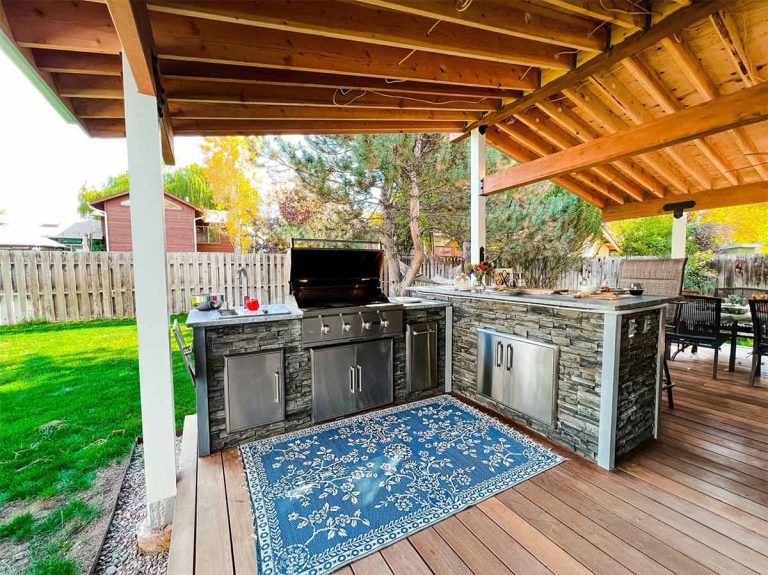
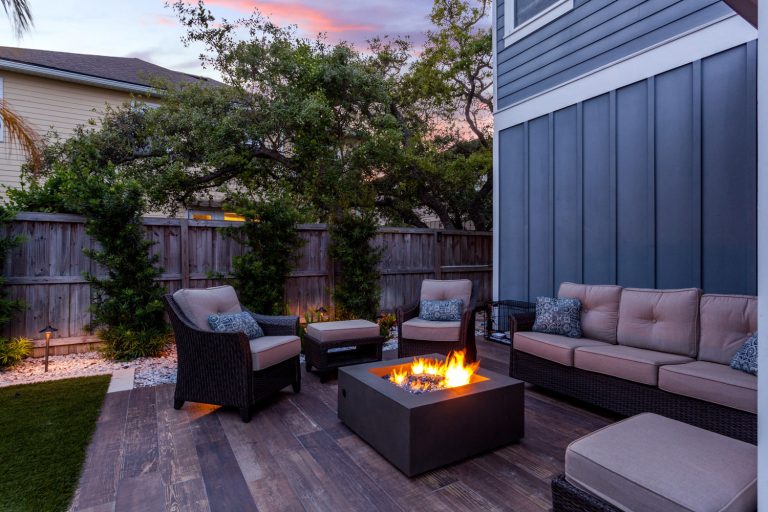
Modern Paver Patio Ideas for Stylish and Functional Outdoor Living
Modern paver patio ideas have become one of the most influential trends in contemporary outdoor design. Homeowners today are no longer satisfied with simple concrete slabs or traditional brick patios. Instead, they are looking for clean lines, architectural harmony, and outdoor spaces that feel like natural extensions of their interior living areas. Modern paver patios offer flexibility in design, superior durability, and a refined aesthetic that fits both urban and suburban homes.
A modern paver patio is defined by intentional layout, material selection, and spatial balance. Rather than decorative excess, modern design focuses on simplicity, proportion, and purposeful details. The right paver choices, color palettes, and installation patterns can completely transform a backyard, courtyard, or rooftop into a functional and visually striking outdoor environment.
Understanding Modern Paver Patio Design Principles
Clean Lines and Geometric Layouts
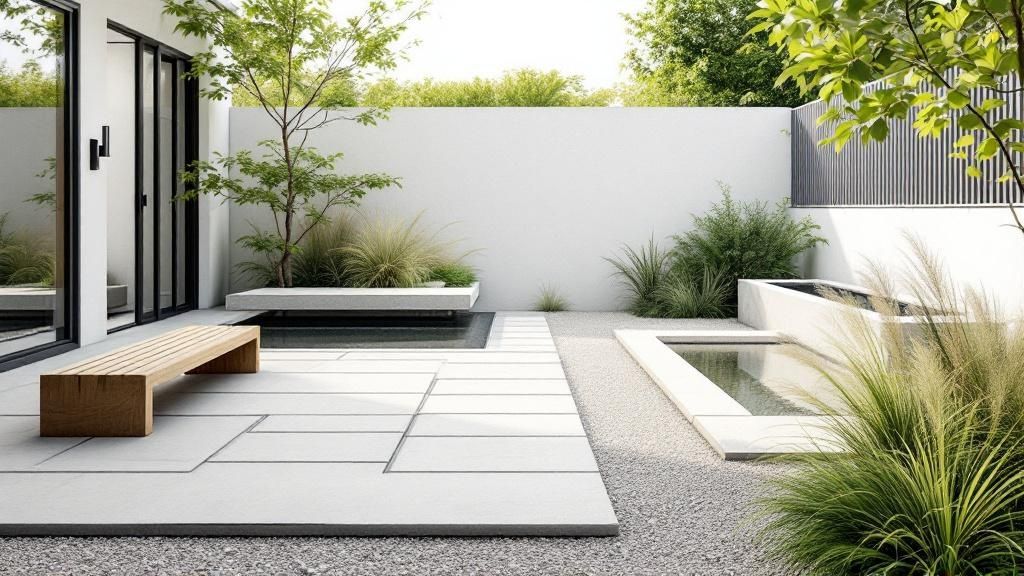
Clean lines are a defining feature of modern paver patio ideas. Rectangular and large-format pavers are commonly used to create straight edges and consistent spacing. This geometric approach gives patios a structured, architectural appearance that complements modern homes and minimalist landscaping.
Geometric layouts also allow designers to visually organize outdoor spaces. Walkways, seating zones, fire pit areas, and dining sections can be clearly defined without physical barriers. The use of linear patterns or grid-based layouts creates visual flow while maintaining a sense of order and openness.
Neutral and Monochromatic Color Palettes
Modern paver patios typically use neutral tones such as gray, charcoal, beige, sand, and soft earth colors. These shades provide a timeless foundation that does not compete with furniture, plants, or architectural features. Neutral palettes also age well, making them ideal for long-term outdoor investments.
Monochromatic designs are especially popular in modern patio spaces. Using varying shades of the same color adds depth without visual clutter. For example, light gray pavers paired with darker borders can subtly frame the patio while maintaining a cohesive look.
Materials That Define Modern Paver Patio Ideas
Concrete Pavers with Architectural Finishes
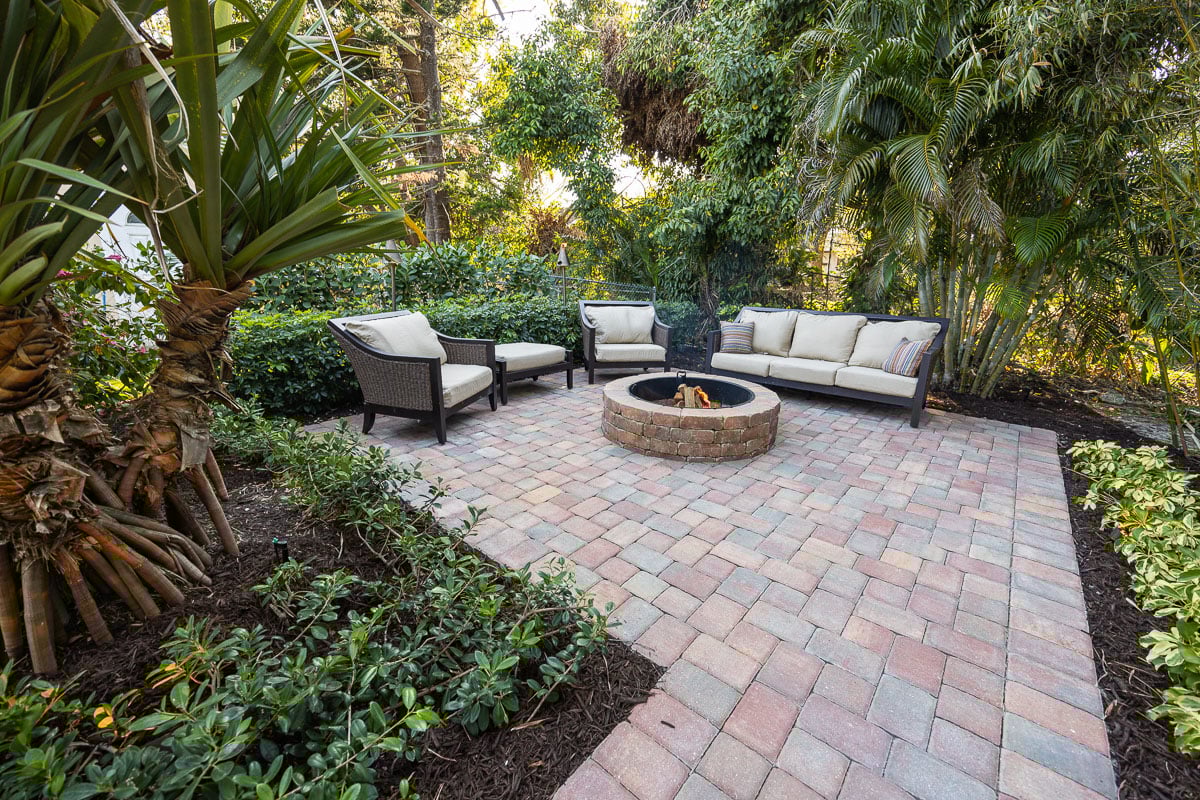
Concrete pavers are a cornerstone of modern patio design. Advances in manufacturing allow for smooth finishes, sharp edges, and consistent dimensions that support clean, contemporary layouts. Many modern concrete pavers mimic natural materials while maintaining a uniform appearance.
Architectural finishes such as matte textures, exposed aggregate, or polished surfaces elevate standard concrete into a modern design element. These finishes also enhance slip resistance and durability, making them practical for outdoor use in various climates.
Porcelain Pavers for Sleek Outdoor Spaces
Porcelain pavers are increasingly used in modern outdoor patios due to their refined appearance and performance characteristics. They are known for their low porosity, resistance to staining, and ability to withstand extreme temperatures.
In modern patio design, porcelain pavers are often used to create a seamless transition between indoor and outdoor spaces. When the same or similar pavers are used inside and outside, the patio feels like a continuation of the home rather than a separate area.
Layout Patterns That Elevate Modern Paver Patios
Large-Format Paver Arrangements
Large-format pavers are a hallmark of modern paver patio ideas. Their expansive surface area reduces visual breaks and grout lines, creating a cleaner and more sophisticated appearance. These pavers work particularly well in open patios where uninterrupted surfaces enhance the sense of space.
Using large-format pavers also simplifies maintenance. Fewer joints mean less weed growth and easier cleaning. This makes them ideal for homeowners who want a modern look with minimal upkeep.
Linear and Staggered Patterns
Linear and staggered patterns emphasize direction and movement within the patio. These layouts guide the eye across the space, making patios feel larger and more dynamic. In modern designs, these patterns are often aligned with architectural elements such as sliding doors, windows, or pool edges.
Staggered layouts also add subtle variation without overwhelming the minimalist aesthetic. This balance between structure and movement is a key reason why linear patterns are so popular in contemporary patio design.
Benefits of Using Modern Technology in Paver Patios
Enhanced Durability and Performance
Modern paver technology has significantly improved durability compared to older patio materials. Advanced manufacturing processes ensure consistent strength, resistance to cracking, and long-term color stability. This means modern paver patios maintain their appearance even after years of exposure to weather and foot traffic.
Improved base systems and interlocking designs also contribute to structural stability. These technologies reduce shifting and settling, which is essential for patios that experience seasonal temperature changes or heavy use.
Improved Drainage and Environmental Performance
Many modern paver patio systems are designed with permeability in mind. Permeable pavers allow water to pass through the surface, reducing runoff and helping manage stormwater naturally. This feature is especially valuable in urban areas or regions with heavy rainfall.
From an environmental perspective, permeable systems support sustainable landscaping practices. They help prevent erosion, reduce strain on drainage systems, and promote healthier soil conditions beneath the patio.
Real-World Examples of Modern Paver Patio Ideas
Contemporary Backyard Lounge Patio
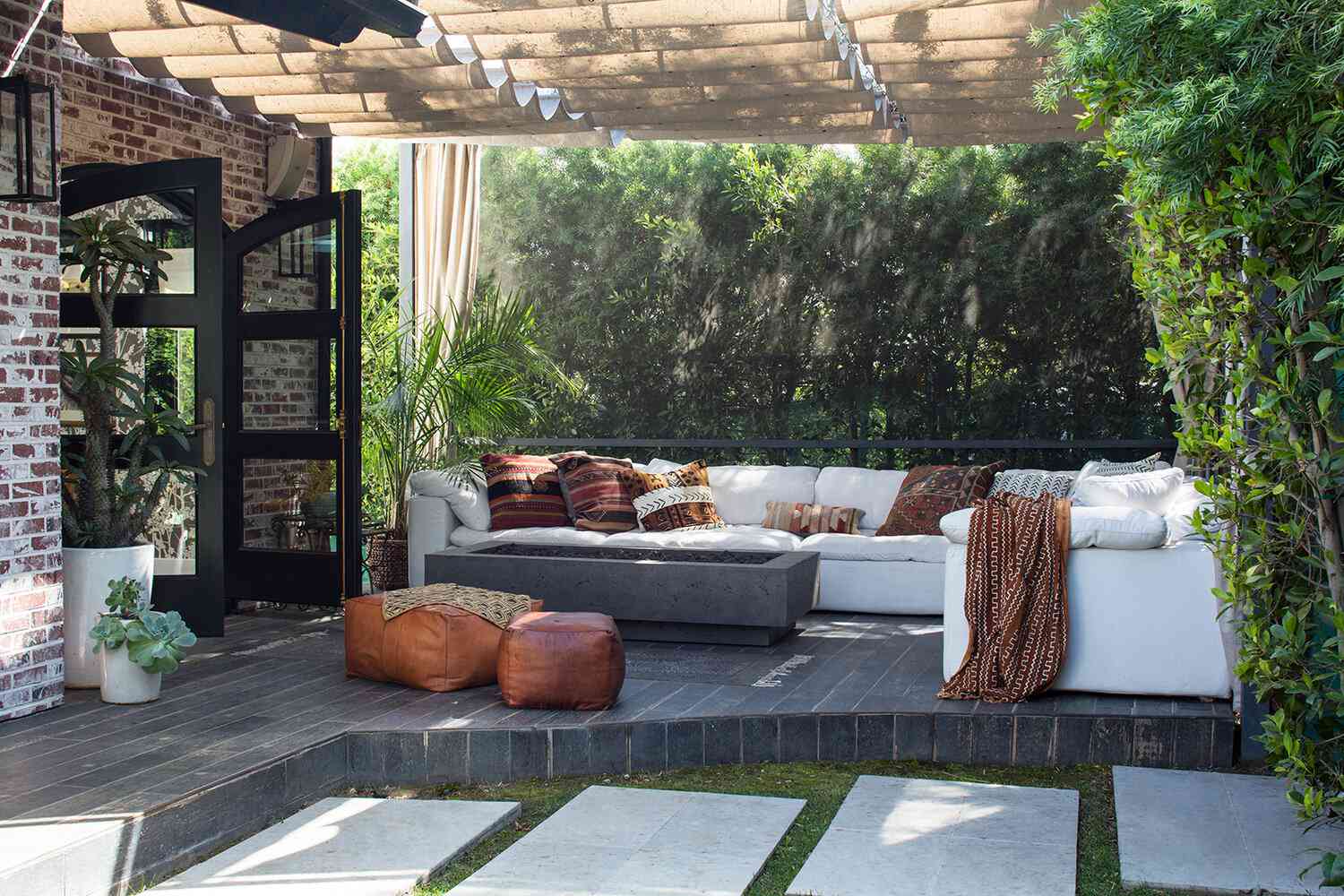
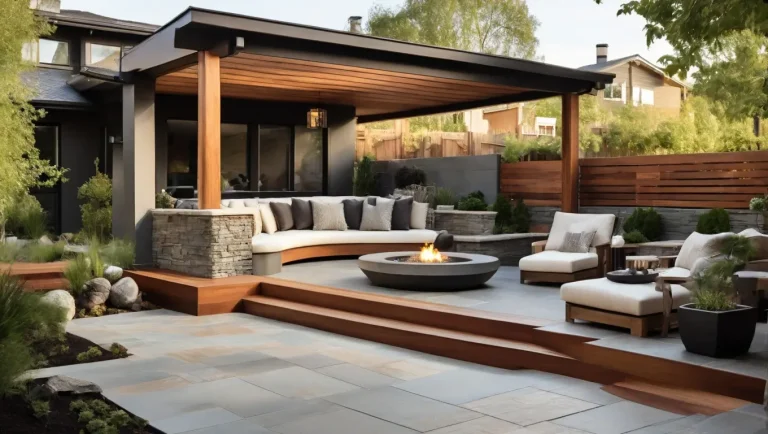
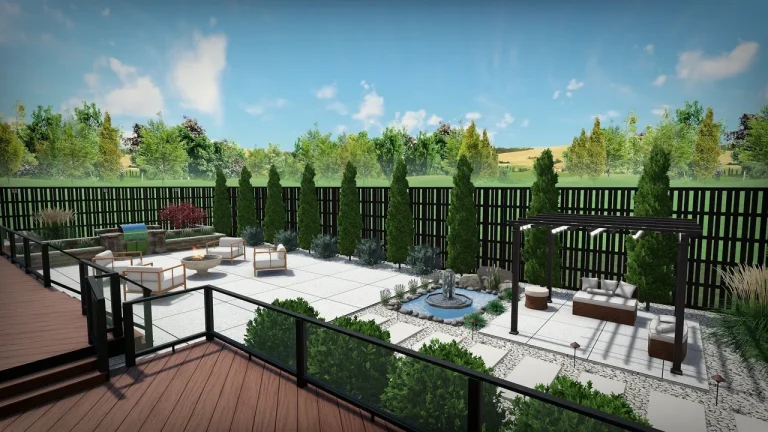
A contemporary backyard lounge patio often features large concrete pavers in a neutral tone, paired with minimalist outdoor furniture. The design focuses on comfort and openness, creating a relaxed environment for entertaining or quiet evenings outdoors.
This type of patio is particularly effective in residential settings where homeowners want a stylish yet functional outdoor retreat. The clean layout allows furniture and lighting to stand out without competing with decorative patterns.
Rooftop Modern Paver Patio
Rooftop patios require materials that are lightweight, durable, and visually refined. Modern paver patios on rooftops often use porcelain or slim concrete pavers installed on pedestal systems. This approach allows for proper drainage while maintaining a sleek appearance.
Rooftop paver patios are commonly used in urban environments where outdoor space is limited. They transform unused roof areas into functional living spaces with panoramic views and contemporary style.
Poolside Modern Paver Design
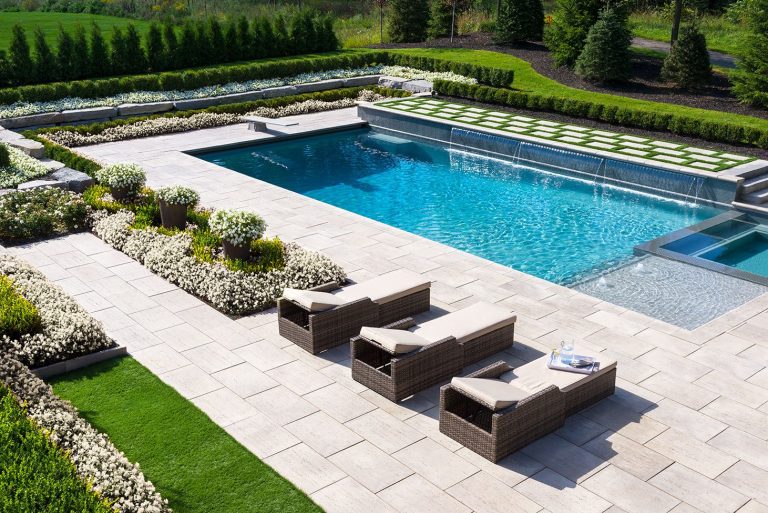
Modern poolside patios use pavers that balance aesthetics with safety. Smooth, slip-resistant surfaces in light or neutral colors help reduce heat absorption and enhance comfort underfoot.
The layout typically follows clean, linear patterns that mirror the pool’s geometry. This cohesive design creates a luxurious resort-style atmosphere while maintaining practicality for wet environments.
Courtyard Patio with Minimalist Landscaping
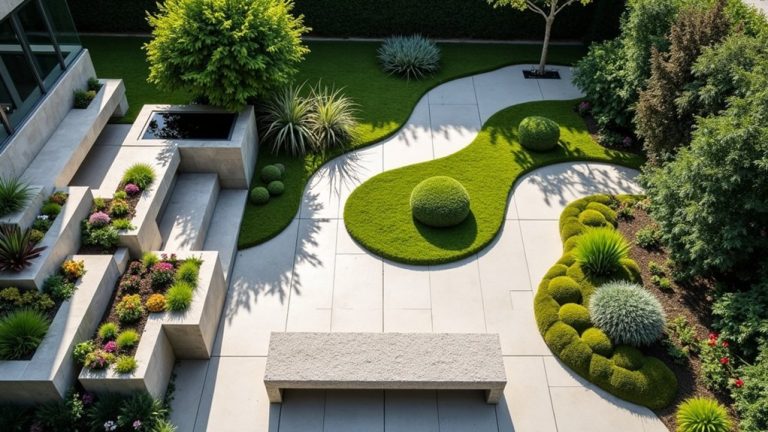
Courtyard patios benefit greatly from modern paver design due to their enclosed nature. Using neutral pavers and simple layouts prevents the space from feeling crowded or visually heavy.
Minimalist landscaping elements such as ornamental grasses, planters, or water features complement the clean lines of the pavers. This creates a balanced, tranquil environment suitable for relaxation or meditation.
Practical Benefits of Modern Paver Patio Ideas
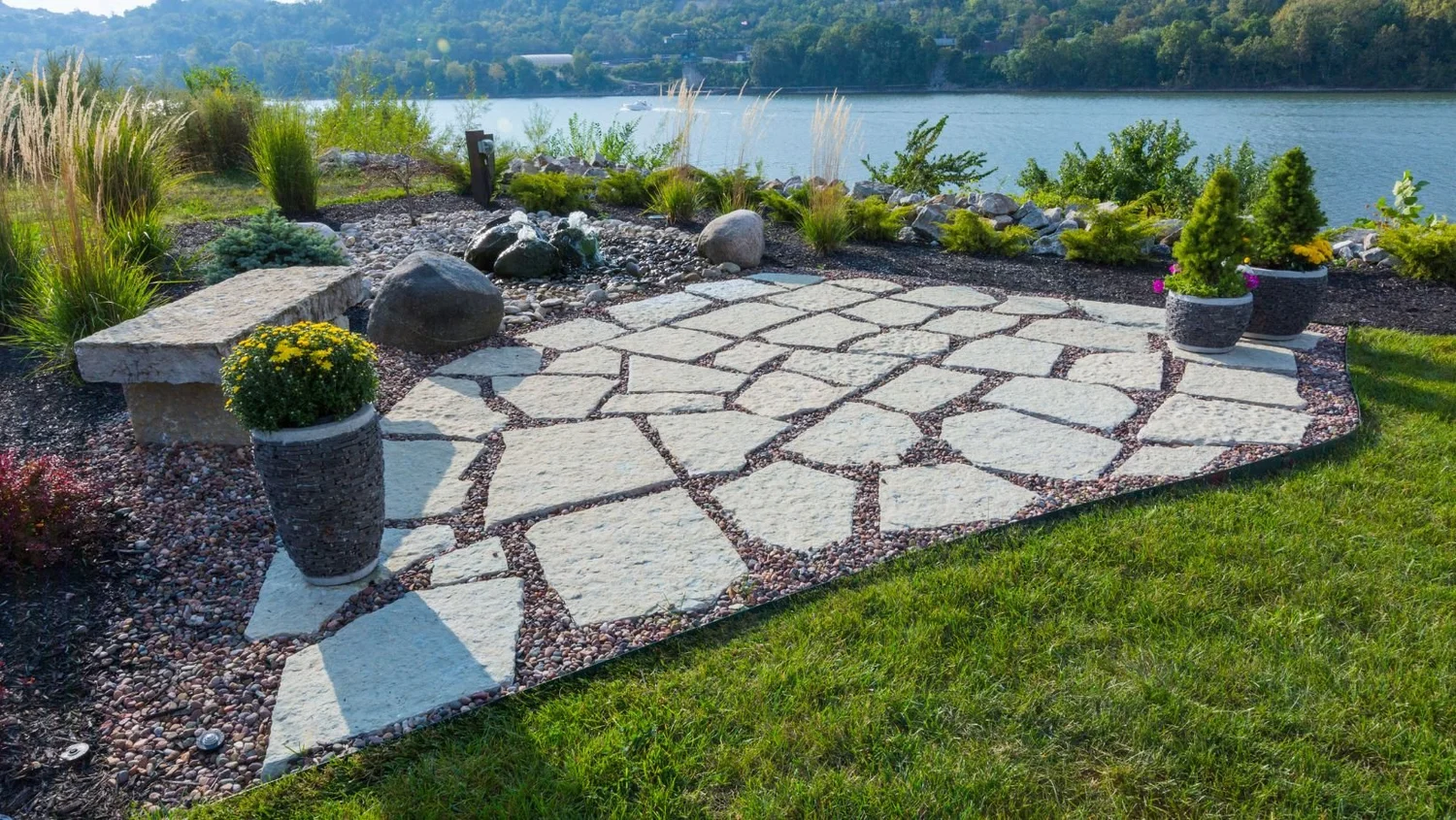
Modern paver patios provide exceptional flexibility in design. They can be customized to fit irregular spaces, integrated with outdoor kitchens, or combined with seating walls and fire features. This adaptability makes them suitable for a wide range of residential and commercial applications.
From a maintenance perspective, modern pavers are easier to repair than poured surfaces. Individual pavers can be replaced without disturbing the entire patio, saving time and reducing long-term maintenance costs.
Real-Life Use Cases and Problem Solving
Modern paver patio ideas help solve common outdoor design challenges. Uneven terrain, poor drainage, and outdated aesthetics are frequent issues homeowners face. Paver systems address these problems by allowing precise leveling, water management, and design flexibility.
In real-life situations, a modern paver patio can transform an underused backyard into a functional living area. It provides a stable surface for furniture, enhances property value, and encourages more outdoor use throughout the year.
Frequently Asked Questions
What makes a paver patio design “modern”?
A modern paver patio focuses on clean lines, simple layouts, neutral colors, and functional design. It avoids excessive decoration and emphasizes structure, proportion, and material quality.
Are modern paver patios suitable for small spaces?
Yes, modern paver patio ideas work very well in small spaces. Large-format pavers and linear patterns can make compact areas feel larger and more open.
How long do modern paver patios typically last?
With proper installation and maintenance, modern paver patios can last several decades. Their modular nature and advanced materials contribute to long-term durability and performance.