Seasonal Outdoor Decor Trends A Complete Guide to Styling Outdoor Spaces All Year
Seasonal outdoor decor trends continue to evolve as homeowners and designers place greater emphasis on exterior living spaces. Patios, gardens, balconies, and backyards are no longer treated as secondary areas but as functional extensions of the home that reflect changing seasons, lifestyles, and design preferences. Understanding how decor adapts across spring, summer, autumn, and winter allows outdoor spaces to remain visually appealing, comfortable, and practical throughout the year.
This guide explores seasonal outdoor decor trends in depth, examining how materials, colors, furniture, lighting, and technology shift with the seasons. It also explains practical benefits, real-world applications, and how seasonal decor solves everyday outdoor living challenges.
Understanding Seasonal Outdoor Decor Trends
Seasonal outdoor decor trends refer to design approaches that adapt outdoor spaces to match weather patterns, seasonal activities, and aesthetic shifts throughout the year. Rather than maintaining a static design, seasonal decor emphasizes flexibility, allowing homeowners to refresh their outdoor environment without complete redesigns.
At its core, seasonal decor focuses on comfort, durability, and visual harmony. Warmer months favor open layouts, breathable fabrics, and vibrant colors, while cooler seasons emphasize warmth, texture, and weather-resistant materials. By rotating decor elements seasonally, outdoor spaces remain usable and inviting regardless of climate changes.
Another important aspect is emotional connection. Seasonal decor reflects natural cycles, helping outdoor spaces feel aligned with their surroundings. Whether it’s spring greenery, summer brightness, autumn warmth, or winter minimalism, seasonal decor enhances the outdoor experience by responding to nature rather than competing with it.
Spring Outdoor Decor Trends
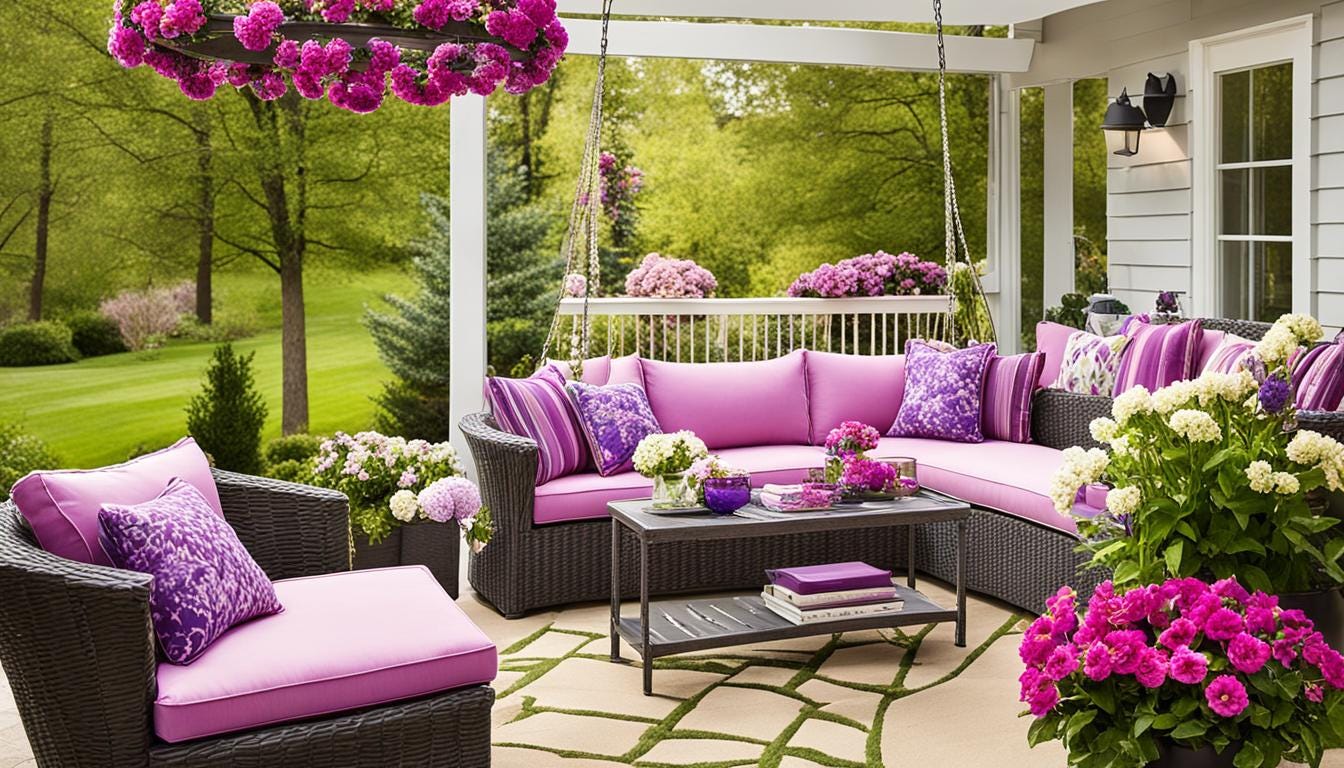
Spring outdoor decor trends focus on renewal, lightness, and natural growth. After colder months, outdoor spaces are refreshed with lighter colors, organic textures, and elements that celebrate greenery and flowers. This season emphasizes reintroducing comfort while embracing openness and airflow.
Materials such as light wood, wicker, and weather-resistant textiles dominate spring designs. Cushions and throws often feature pastel tones or botanical patterns that echo blooming landscapes. Planters, vertical gardens, and container arrangements become focal points, adding life and movement to patios and balconies.
Spring decor also prioritizes flexibility. Modular seating and movable decor allow homeowners to adapt layouts as temperatures fluctuate. Lighting remains subtle, often relying on solar lanterns or string lights to extend usability into mild evenings without overpowering the natural ambiance.
Summer Outdoor Decor Trends
Summer outdoor decor trends revolve around maximizing outdoor living. During this season, outdoor spaces function as entertainment hubs, dining areas, and relaxation zones. Designs favor bold colors, breathable materials, and layouts that encourage social interaction.
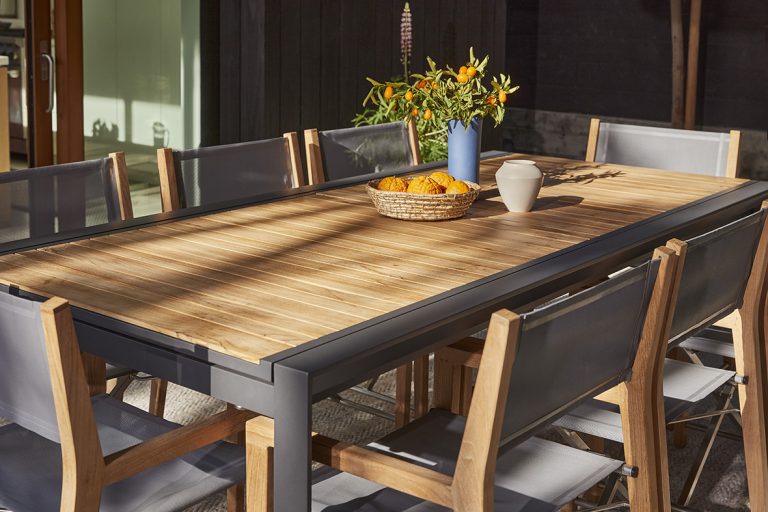
Furniture choices lean toward durable, UV-resistant materials such as aluminum, teak, and synthetic wicker. Outdoor rugs, umbrellas, and shade structures play a critical role, offering comfort under intense sunlight while defining functional zones within larger spaces.
Water features, outdoor kitchens, and integrated sound systems often become part of summer decor. These elements enhance usability during gatherings and long evenings, transforming patios into fully functional living spaces that support leisure, dining, and entertainment.
Autumn Outdoor Decor Trends
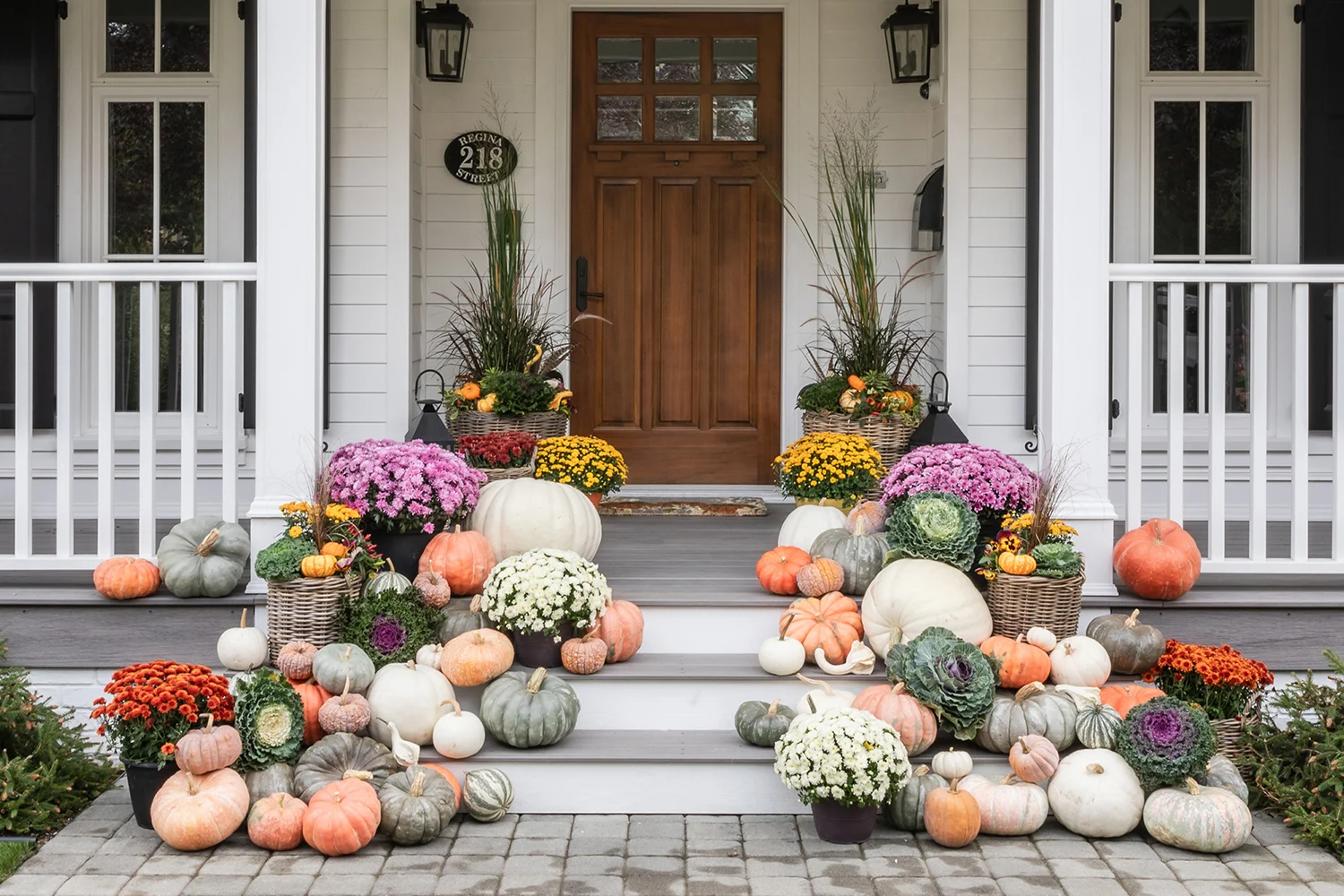
Autumn outdoor decor trends emphasize warmth, texture, and layered design. As temperatures cool, outdoor spaces shift toward comfort and visual richness. Earthy tones, such as deep browns, rust, olive, and muted golds, replace summer brightness.
Textiles play a major role in autumn decor. Heavier cushions, weather-resistant throws, and layered seating arrangements encourage longer outdoor use during cooler days. Fire pits and outdoor heaters often become central design elements, serving both functional and aesthetic purposes.
Natural materials such as stone, wood, and metal gain prominence in autumn layouts. Decorative elements inspired by the season, including foliage arrangements and textured planters, help create a cohesive transition between the built environment and the surrounding landscape.
Winter Outdoor Decor Trends
Winter outdoor decor trends focus on minimalism, durability, and warmth. While outdoor usage may decrease in colder climates, thoughtful decor ensures spaces remain visually appealing and functional when the weather allows.
Neutral palettes dominate winter designs, often incorporating shades of gray, charcoal, and natural wood tones. Furniture is streamlined, with emphasis on weather-resistant materials that can withstand moisture and temperature changes.
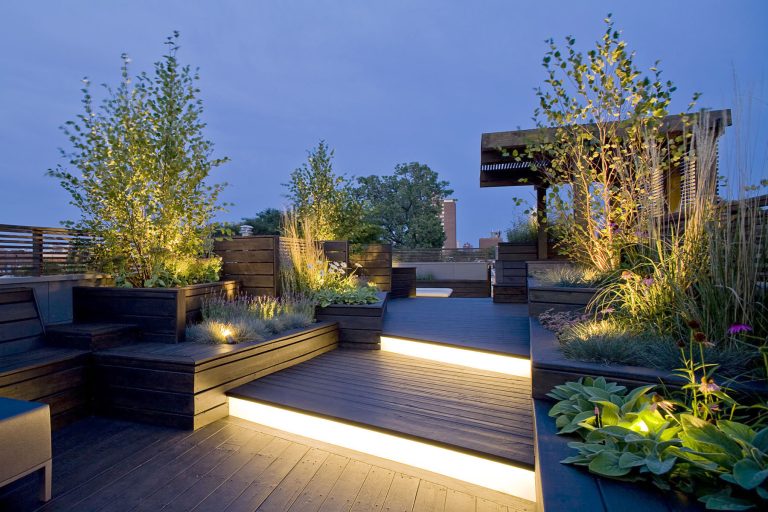
Lighting becomes a key feature in winter decor. Soft, ambient lighting enhances visibility during shorter days while creating a cozy atmosphere. Strategic placement of lanterns, wall lights, and subtle accent lighting keeps outdoor spaces inviting without overwhelming the design.
Benefits of Technology in Seasonal Outdoor Decor
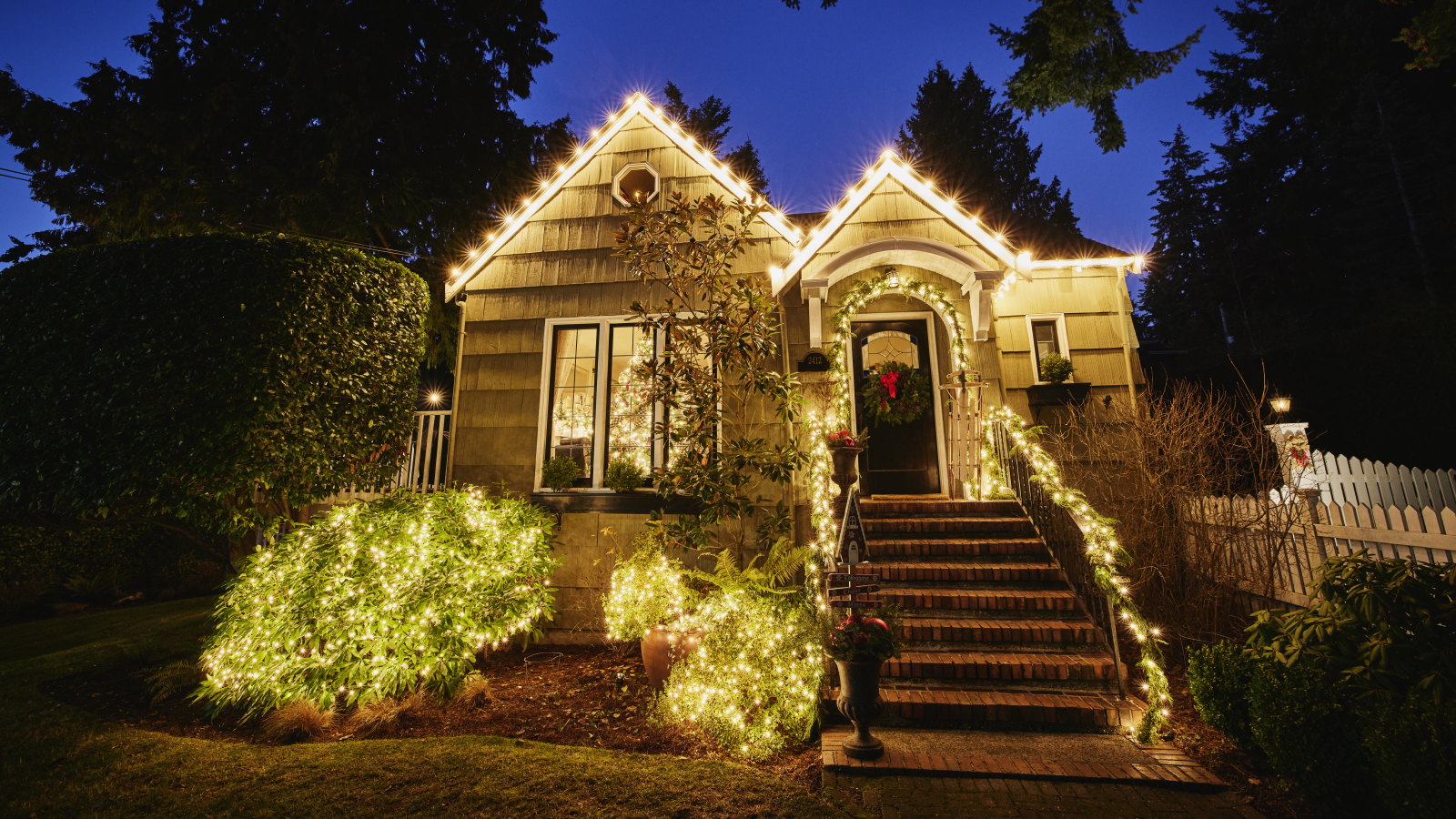
Technology plays an increasingly important role in seasonal outdoor decor trends, offering solutions that improve comfort, efficiency, and adaptability. Smart lighting systems allow users to adjust brightness and color temperature according to season and time of day, enhancing both aesthetics and functionality.
Weather-responsive features, such as automated awnings or smart irrigation systems, help outdoor spaces adapt seamlessly to seasonal conditions. These technologies reduce maintenance while protecting decor elements from damage caused by extreme weather.
Integrated outdoor entertainment technology, including weatherproof speakers and lighting controls, enhances usability throughout the year. By adapting settings seasonally, outdoor spaces can support different activities, from summer gatherings to quiet winter evenings, without compromising design cohesion.
Real-World Example: Modular Outdoor Furniture Systems
Modular outdoor furniture systems are a prime example of seasonal outdoor decor adaptability. These systems consist of interchangeable seating units that can be rearranged to suit different seasonal needs. In summer, modules can be spread out for gatherings, while in cooler seasons they can be grouped for warmth and intimacy.
The relevance of modular furniture lies in its flexibility. Rather than purchasing separate furniture for each season, homeowners can reconfigure existing pieces. This reduces storage requirements and ensures consistent design language throughout the year.
Additionally, modular systems often use weather-resistant materials, making them suitable for long-term outdoor use. Their adaptability supports evolving decor trends without requiring full replacements.
Real-World Example: Smart Outdoor Lighting Systems
Smart outdoor lighting systems demonstrate how technology enhances seasonal decor trends. These systems allow users to program lighting scenes that change with seasons, offering brighter illumination in winter and softer tones in summer.
The ability to control lighting remotely improves convenience and energy efficiency. Motion sensors and timers ensure lights are used only when needed, reducing environmental impact while maintaining safety.
From a design perspective, smart lighting highlights architectural features and landscaping differently throughout the year. This adaptability ensures outdoor spaces remain visually engaging regardless of seasonal changes.
Real-World Example: Weather-Resistant Outdoor Textiles
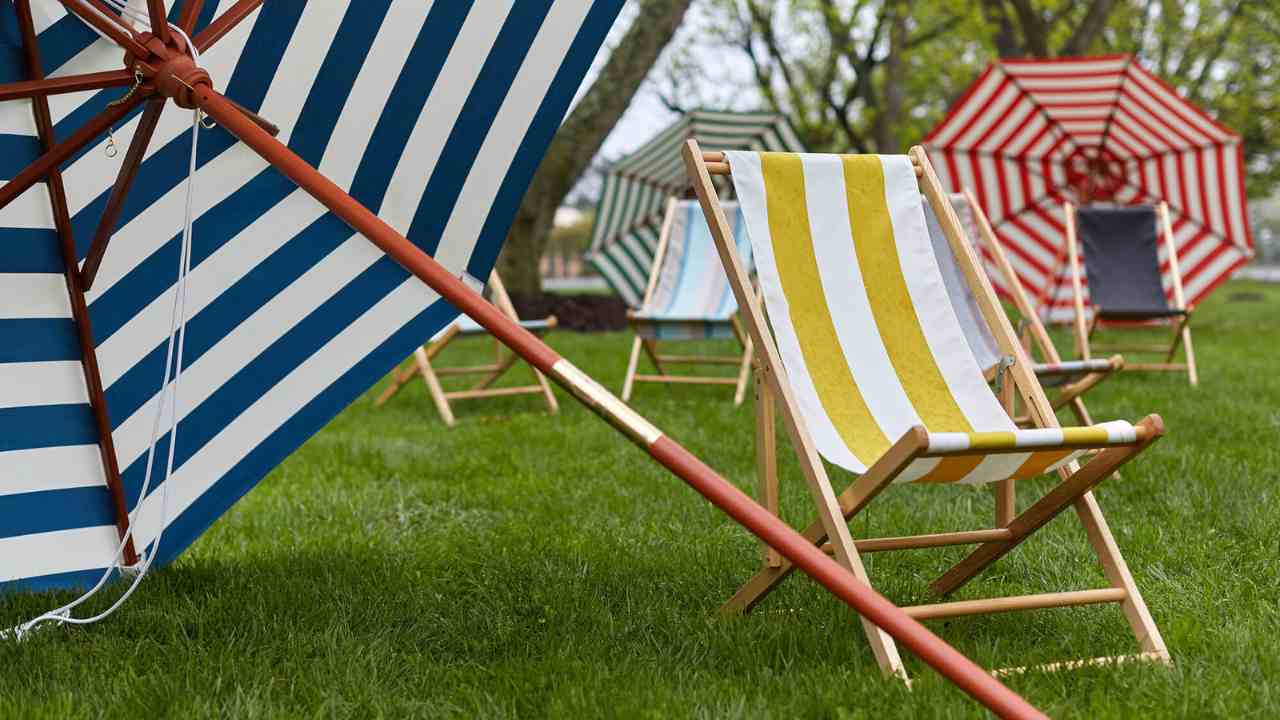
Weather-resistant outdoor textiles are essential to seasonal decor trends. These fabrics are designed to withstand UV exposure, moisture, and temperature fluctuations while maintaining comfort and appearance.
Their relevance lies in year-round usability. Cushions and covers can be layered or swapped seasonally without compromising durability. In warmer months, lighter fabrics enhance breathability, while heavier textures provide warmth during cooler seasons.
By investing in versatile textiles, outdoor spaces remain comfortable and visually cohesive, eliminating the need for constant replacement.
Real-World Example: Fire Features as Seasonal Focal Points
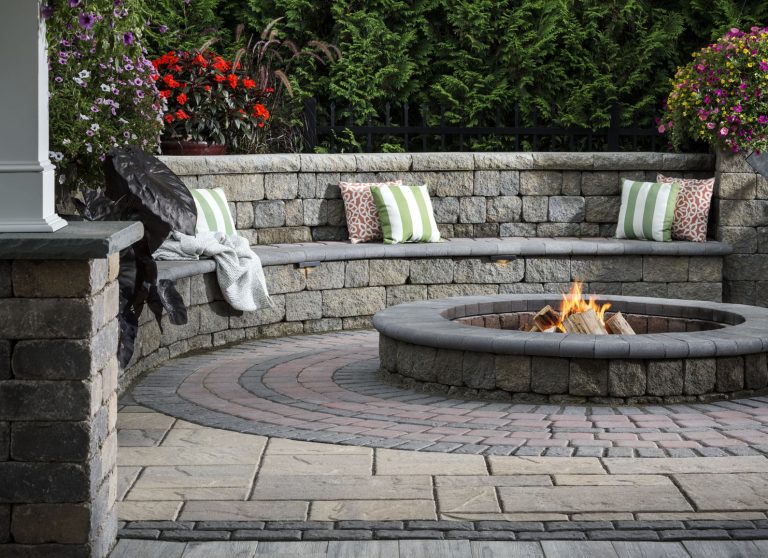
Fire features, such as fire pits or integrated fireplaces, serve as central elements in seasonal outdoor decor. During autumn and winter, they provide warmth and encourage social interaction, while in warmer months, they act as visual anchors even when not in use.
Their relevance extends beyond heat. Fire features add structure to outdoor layouts, helping define seating areas and create balance within the design. They also enhance ambiance, making outdoor spaces feel inviting year-round.
This versatility makes fire features a practical investment for adapting outdoor decor across seasons.
Practical Benefits of Seasonal Outdoor Decor Trends
Seasonal outdoor decor trends offer practical advantages beyond aesthetics. By adapting decor to seasonal conditions, outdoor spaces remain functional and comfortable throughout the year. This reduces wear on materials and extends the lifespan of furniture and accessories.
Seasonal updates also support better space utilization. Instead of abandoning outdoor areas during certain months, thoughtful decor adjustments encourage continued use. This maximizes the value of exterior spaces as extensions of the home.
Additionally, seasonal decor fosters emotional well-being. Aligning outdoor environments with natural cycles enhances relaxation and enjoyment, making outdoor living more satisfying and meaningful.
Use Cases and Real-Life Applications
Seasonal outdoor decor trends solve common outdoor living challenges. For example, fluctuating temperatures often limit usability, but seasonal layering of textiles and lighting ensures comfort across conditions. This makes outdoor spaces viable for more months of the year.
Another use case involves entertaining. Seasonal decor allows hosts to adapt layouts for different occasions, from summer gatherings to intimate autumn evenings. This flexibility supports diverse activities without requiring major redesigns.
In residential settings, seasonal decor also improves property appeal. Well-maintained outdoor spaces that adapt to seasonal changes create positive impressions, enhancing both personal enjoyment and perceived value.
Frequently Asked Questions
What are seasonal outdoor decor trends?
Seasonal outdoor decor trends refer to design practices that adapt outdoor spaces according to seasonal changes in weather, activities, and aesthetics. These trends focus on flexibility, durability, and visual harmony throughout the year.
Why is seasonal outdoor decor important?
Seasonal outdoor decor is important because it maintains comfort, functionality, and visual appeal across different weather conditions. It helps extend the usability of outdoor spaces while protecting decor elements from seasonal wear.
How can seasonal decor improve outdoor living?
Seasonal decor improves outdoor living by aligning design with natural cycles, enhancing comfort, and supporting a wider range of activities. It transforms outdoor spaces into adaptable environments suitable for relaxation, entertainment, and everyday use.