Best Modern Landscape Design A Complete Guide to Contemporary Outdoor Spaces
Modern landscape design has become one of the most influential approaches in contemporary outdoor planning. It focuses on clean lines, functional layouts, sustainable materials, and a seamless connection between architecture and nature. Unlike traditional landscaping styles that prioritize ornamentation and dense planting, modern landscapes emphasize clarity, balance, and purposeful design.
The best modern landscape design is not defined by a single look but by principles that adapt to different climates, lifestyles, and property sizes. From minimalist urban gardens to expansive residential backyards, modern landscape design offers flexible solutions that enhance both aesthetics and usability. This guide explores the concept in depth, explains its benefits, highlights real-world examples, and demonstrates how it solves common outdoor living challenges.
Understanding Modern Landscape Design Principles
Minimalism and Clean Geometry
Modern landscape design is rooted in minimalism. This principle focuses on simplicity, removing unnecessary decorative elements and emphasizing form and function. Clean geometric shapes such as rectangles, straight pathways, and structured planting beds create a sense of order and visual calm. These shapes guide movement through the space while maintaining a contemporary appearance.
Minimalist geometry also improves maintenance efficiency. By limiting excessive curves and complex layouts, modern landscapes are easier to maintain and adapt over time. This approach is especially effective in urban environments where outdoor space is limited, and every element must serve a clear purpose.
Integration with Architecture
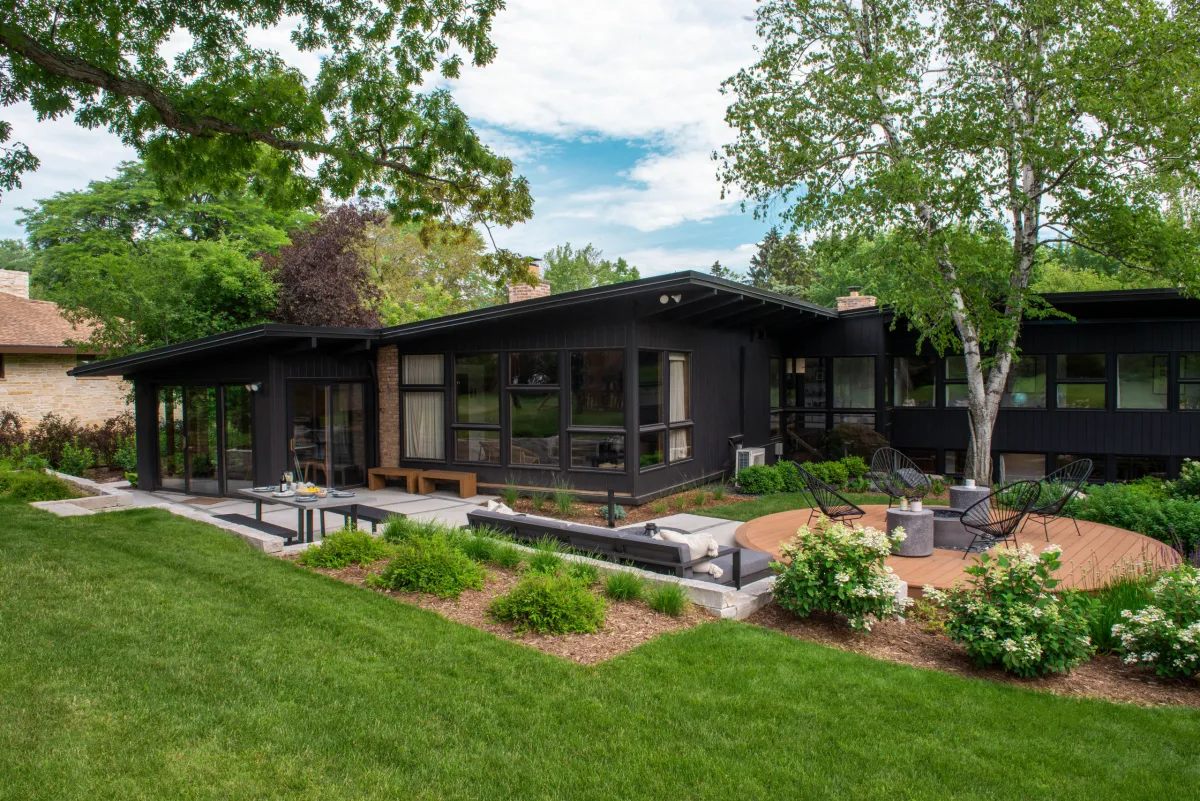
One of the defining characteristics of the best modern landscape design is its strong relationship with architecture. Outdoor spaces are designed as an extension of the building rather than a separate visual element. Materials, colors, and lines used in the home’s exterior are reflected in the landscape, creating a cohesive visual flow.
This integration enhances the overall property value and improves usability. For example, patios align with interior flooring levels, and large glass doors open directly into outdoor living areas. The result is a seamless transition between indoor and outdoor environments that supports modern lifestyles.
Core Elements of the Best Modern Landscape Design
Hardscape as a Design Foundation
Insert image of the product format
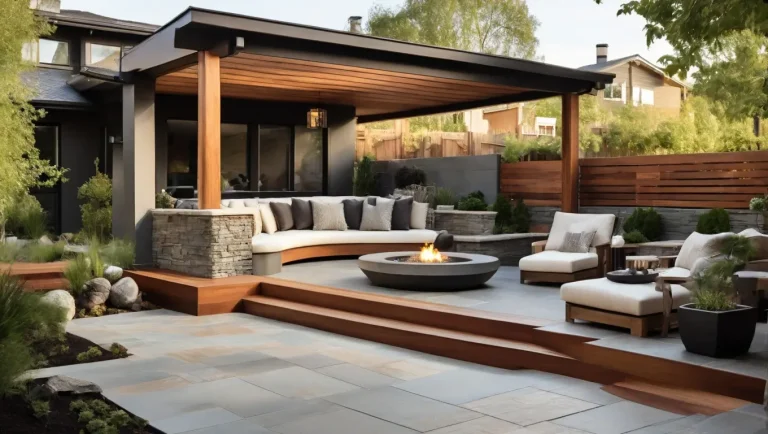
Hardscape elements such as concrete pavers, stone slabs, and steel edging form the backbone of modern landscape design. These materials provide structure and durability while supporting the minimalist aesthetic. Neutral color palettes, including gray, beige, and charcoal, are commonly used to maintain visual consistency.
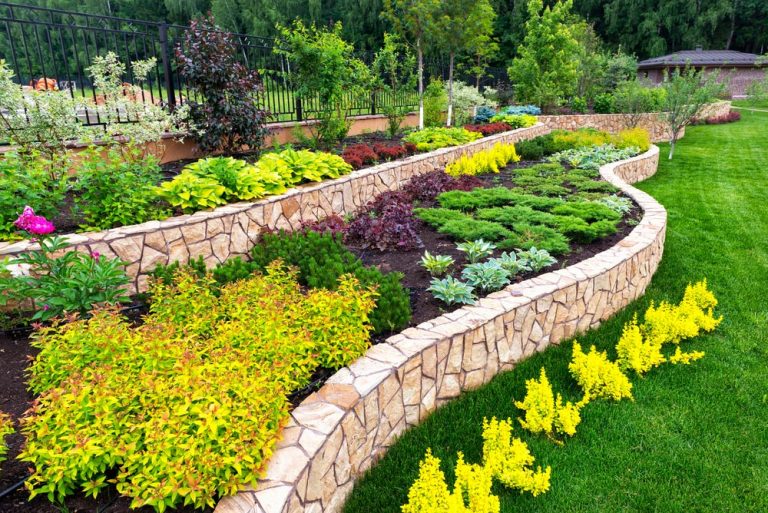
Hardscape features also define functional zones within the landscape. Walkways guide circulation, patios create social spaces, and retaining walls add depth and elevation changes. By prioritizing hardscape, modern landscapes achieve long-lasting performance with reduced maintenance requirements.
Strategic Plant Selection
Planting in modern landscape design is intentional rather than decorative. Plants are chosen for texture, form, and seasonal consistency rather than colorful blooms. Grasses, succulents, shrubs, and architectural plants are commonly used to reinforce clean lines and structured layouts.
This strategic approach reduces water usage and simplifies maintenance. Plants are grouped in repeating patterns, creating rhythm and visual harmony. The result is a landscape that feels curated, balanced, and sustainable throughout the year.
Role of Technology in Modern Landscape Design
Smart Irrigation Systems
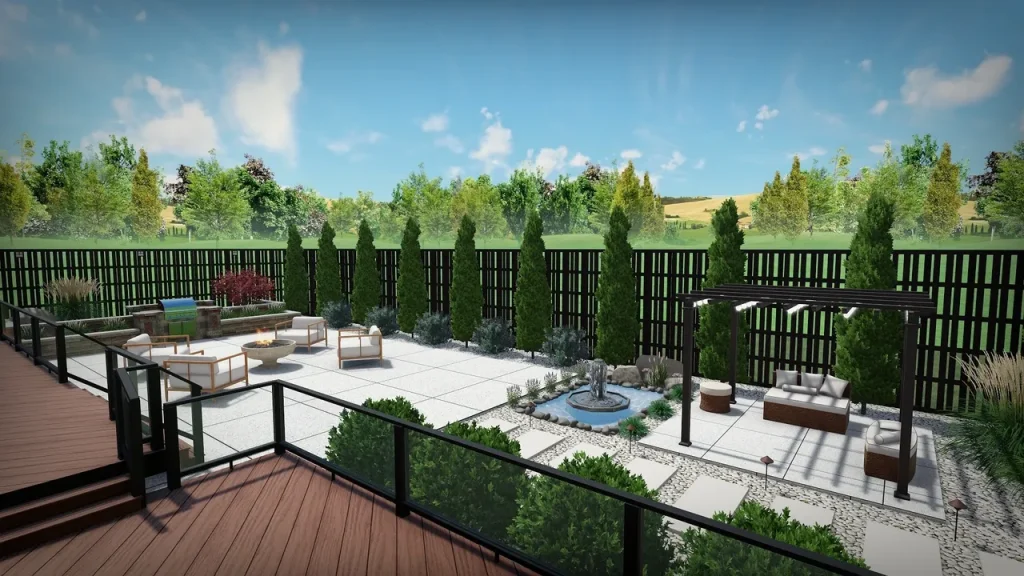
Technology plays a critical role in achieving the best modern landscape design. Smart irrigation systems use sensors, weather data, and automated scheduling to deliver water efficiently. These systems adjust watering cycles based on rainfall, temperature, and soil conditions.
The benefit is twofold: reduced water waste and healthier plant growth. Homeowners can manage irrigation remotely through mobile applications, ensuring optimal landscape performance with minimal effort. This aligns perfectly with modern design’s emphasis on efficiency and sustainability.
Integrated Outdoor Lighting Solutions
Modern landscape lighting goes beyond basic illumination. Integrated LED systems highlight architectural features, pathways, and planting beds while maintaining energy efficiency. Low-profile fixtures and concealed lighting sources preserve the clean aesthetic.
Advanced lighting systems can be programmed to adjust brightness and timing automatically. This enhances safety, extends usability after dark, and adds depth to the landscape without overwhelming the design.
Real-World Examples of Modern Landscape Design Applications
Concrete Paver Patio Systems
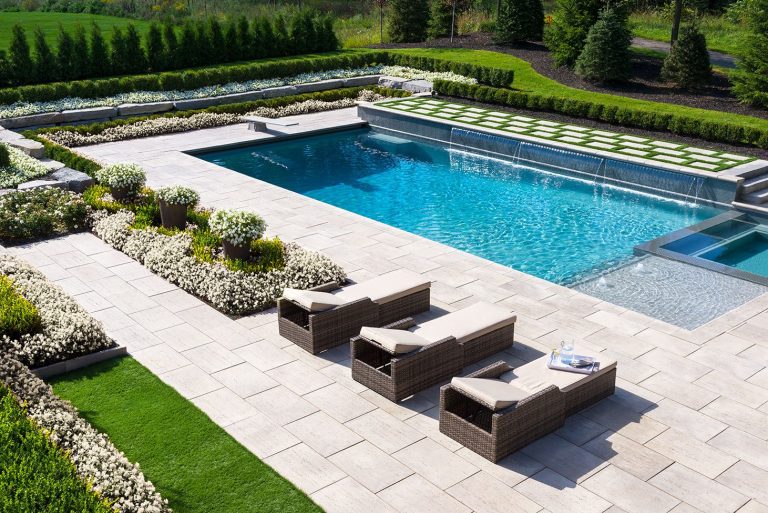
Concrete paver patio systems are widely used in modern landscapes due to their durability and visual versatility. Large-format pavers with minimal joint spacing create a sleek, uninterrupted surface that complements modern architecture. These patios often serve as the central gathering space in residential landscapes.
Beyond aesthetics, concrete pavers provide practical benefits. They resist cracking, allow for efficient drainage, and can be replaced individually if damaged. Their modular nature supports long-term adaptability, making them a cornerstone of modern outdoor design.
Modular Outdoor Kitchen Installations
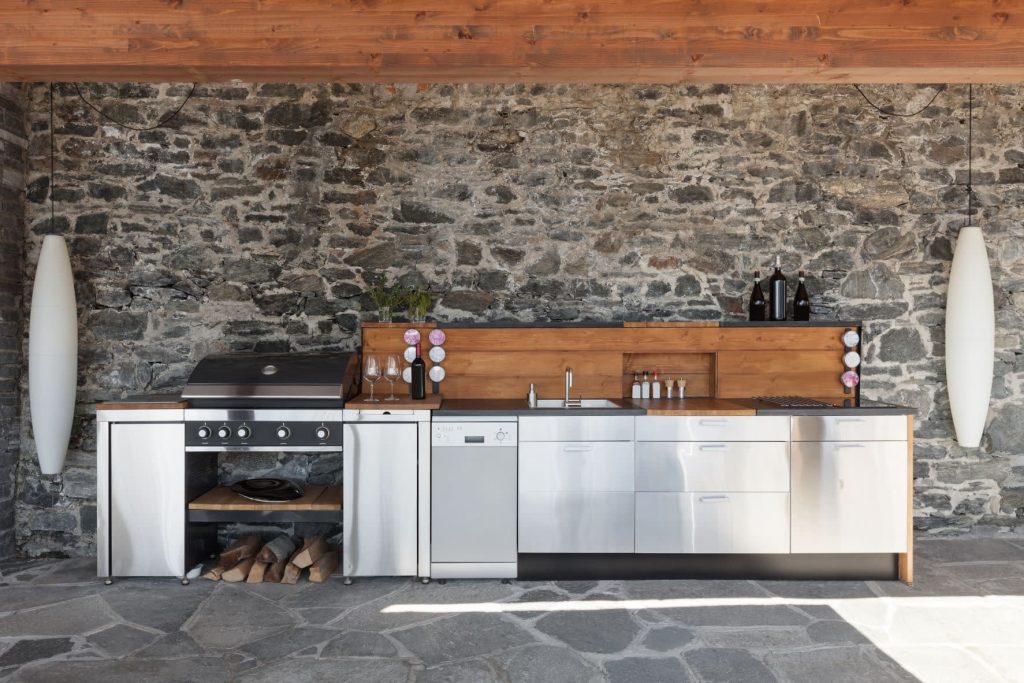
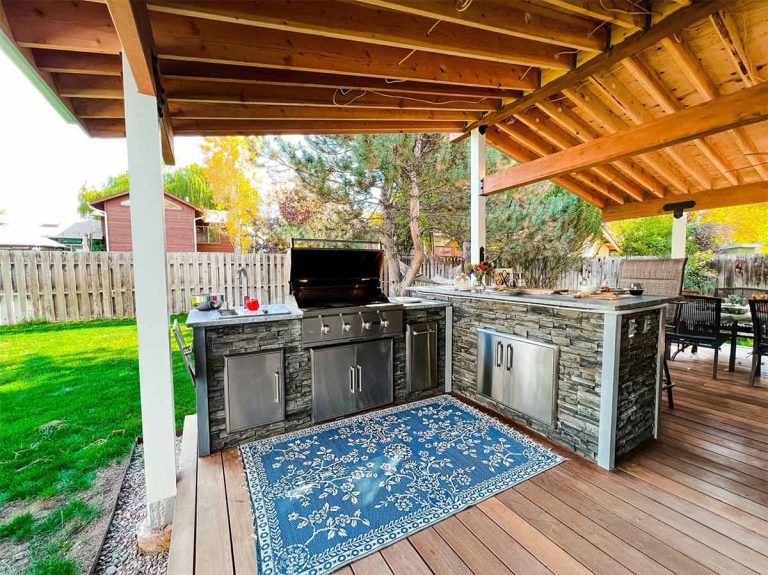
Modern outdoor kitchens are designed with modular components that prioritize functionality and clean aesthetics. Stainless steel cabinetry, built-in grills, and integrated storage maintain visual simplicity while supporting advanced cooking capabilities.
These installations transform outdoor spaces into multifunctional living areas. By combining dining, cooking, and social interaction, modular outdoor kitchens align with contemporary lifestyles that value flexibility and entertainment.
Architectural Water Features
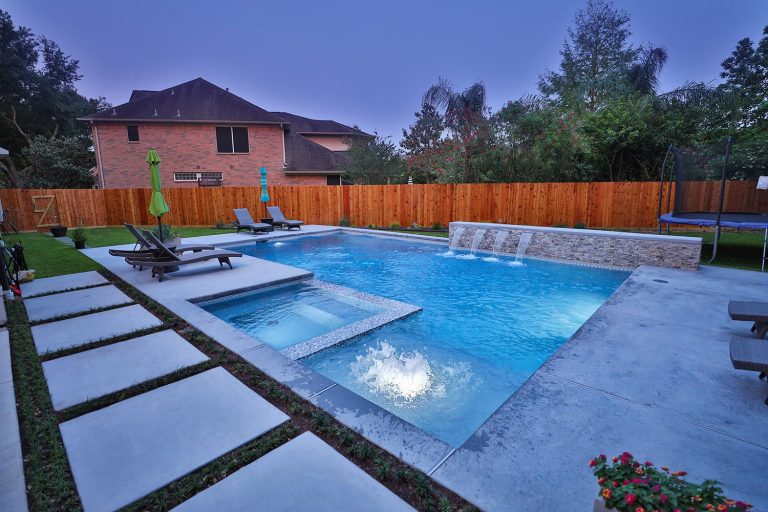
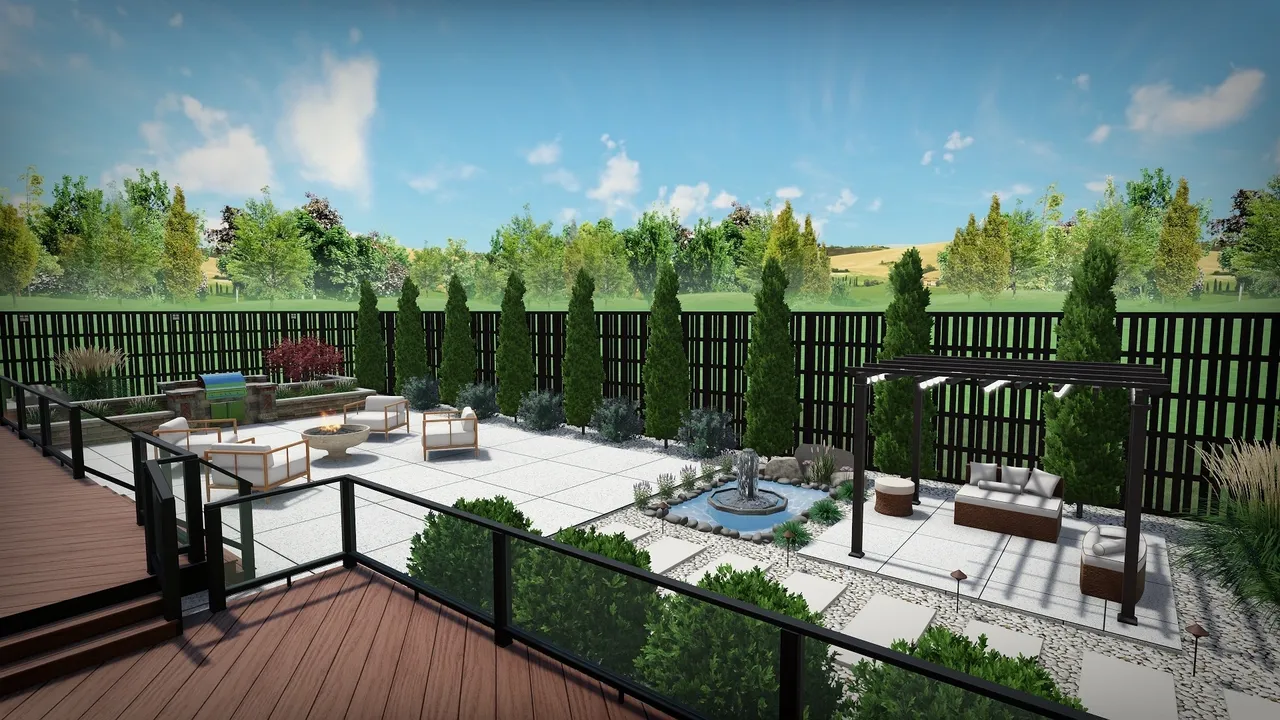
Water features in modern landscapes are defined by simplicity and motion rather than ornamentation. Linear fountains, reflecting pools, and wall-mounted water elements create calming visual and auditory experiences.
These features enhance the sensory quality of outdoor spaces while maintaining a minimalist appearance. They also help regulate microclimates by cooling surrounding areas, improving comfort during warm seasons.
Vertical Garden Systems
Vertical garden systems provide innovative solutions for limited outdoor spaces. These systems allow plants to grow on walls or freestanding structures, adding greenery without consuming valuable ground area.
In modern landscapes, vertical gardens act as living art installations. They improve air quality, reduce heat absorption, and introduce organic texture to otherwise hard-edged designs.
Benefits of the Best Modern Landscape Design
Improved Functionality and Usability
Modern landscape design prioritizes how outdoor spaces are used. Clear zoning allows areas to serve specific purposes such as relaxation, dining, or recreation. This planning enhances daily usability and supports diverse lifestyle needs.
Functional design also reduces wasted space. Every element contributes to usability, ensuring that outdoor areas remain practical rather than purely decorative.
Sustainability and Environmental Responsibility
Sustainability is a core benefit of modern landscape design. Efficient irrigation, drought-tolerant plants, and eco-friendly materials reduce environmental impact. These features contribute to long-term cost savings and responsible resource use.
By integrating sustainable practices, modern landscapes support environmental health while maintaining visual appeal.
Practical Use Cases and Problem-Solving Applications
Addressing Limited Outdoor Space
Modern landscape design excels in small or urban environments. Through strategic layout planning and vertical solutions, limited spaces can feel open and functional. Clean lines and minimal clutter visually expand confined areas.
This approach allows homeowners to maximize usability without sacrificing style, making modern design ideal for contemporary living conditions.
Reducing Maintenance Demands
Traditional landscapes often require intensive maintenance. Modern landscapes reduce this burden by using durable materials and low-maintenance plant species. Automated systems further simplify upkeep.
This makes modern landscape design particularly useful for busy homeowners seeking long-term efficiency without compromising aesthetics.
Frequently Asked Questions
What defines the best modern landscape design?
The best modern landscape design is defined by simplicity, functionality, sustainability, and architectural integration. It prioritizes clean lines, efficient use of space, and purposeful material selection.
Is modern landscape design suitable for all climates?
Yes, modern landscape design adapts to various climates through plant selection, material choices, and irrigation strategies. The principles remain consistent while applications vary based on environmental conditions.
How does modern landscape design improve property value?
Modern landscape design enhances curb appeal, functionality, and sustainability. These factors increase perceived value and attract buyers who prioritize contemporary living environments.