Modern Backyard Concrete Design Ideas, Benefits, and Real-World Applications
Modern backyard concrete has evolved far beyond basic gray slabs and utilitarian patios. Today, it represents a sophisticated blend of architecture, landscaping, and functional outdoor living. Homeowners, designers, and contractors increasingly choose concrete for backyards because it delivers durability, flexibility, and modern aesthetics that few other materials can match.
As outdoor spaces become extensions of the home, concrete plays a central role in shaping how people relax, entertain, and connect with nature. From minimalist patios and seamless walkways to integrated seating and decorative surfaces, modern backyard concrete offers endless design possibilities. This article explores its core concepts, advanced applications, benefits, real-world examples, and practical use cases, providing a comprehensive understanding of why it has become a defining element in contemporary outdoor design.
Understanding Modern Backyard Concrete Design
The Evolution of Concrete in Backyard Spaces
Concrete was once associated solely with functional infrastructure such as driveways and foundations. Over time, advancements in materials, finishing techniques, and architectural trends have redefined its role in residential outdoor design. Modern backyard concrete now emphasizes clean lines, subtle textures, and intentional integration with landscaping elements.
This evolution reflects broader design movements toward minimalism and sustainability. Concrete’s neutral tones complement natural materials like wood, stone, and greenery, allowing designers to create balanced outdoor environments. Instead of dominating a space, modern concrete acts as a unifying base that enhances visual flow while maintaining structural strength.
Another important shift is customization. Modern techniques allow concrete to be poured, stamped, polished, stained, or formed into unique shapes. This flexibility makes it suitable for both small urban backyards and expansive outdoor living areas, adapting seamlessly to different architectural styles and lifestyle needs.
Key Characteristics of Modern Backyard Concrete
Modern backyard concrete is defined by intentional simplicity rather than plainness. Its surfaces are often smooth or subtly textured, avoiding overly decorative patterns. This restraint helps create a timeless look that does not feel dated as trends change.
Color also plays a major role. While traditional concrete was limited to gray, modern applications include warm neutrals, earth tones, and even soft charcoal finishes. These tones are achieved through integral pigments or surface treatments, allowing the concrete to harmonize with surrounding elements.
Functionality is another defining characteristic. Concrete in modern backyards is rarely decorative alone; it serves practical purposes such as supporting outdoor kitchens, forming level entertainment areas, or managing drainage. This combination of form and function is what makes modern backyard concrete so appealing in contemporary design.
Design Applications for Modern Backyard Concrete
Concrete Patios and Outdoor Living Areas
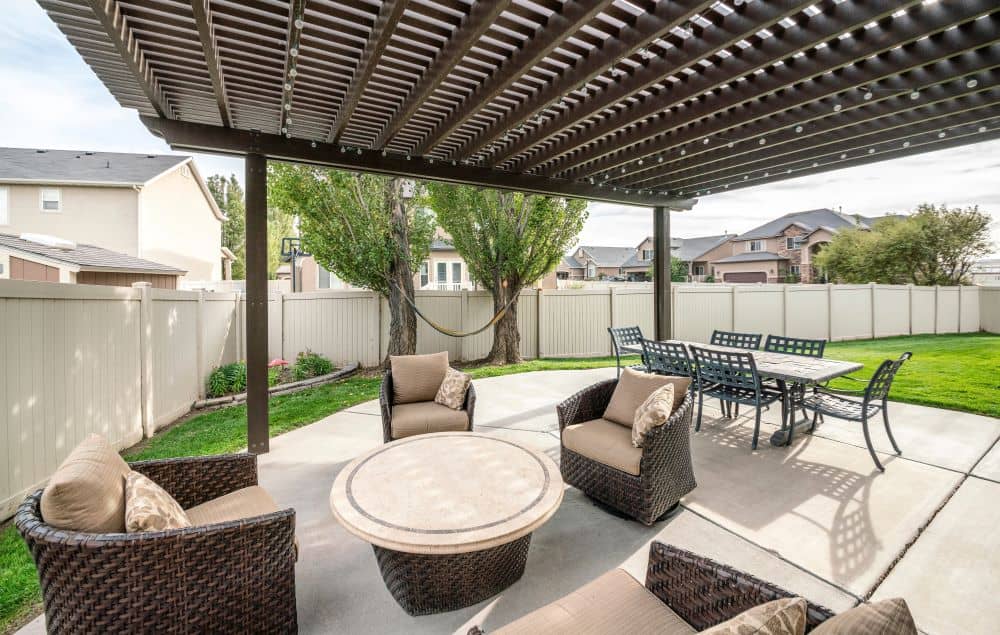
Concrete patios are among the most common applications of modern backyard concrete, but their design has become far more refined. Rather than simple rectangular slabs, modern patios feature intentional layouts that define zones for dining, lounging, and cooking.
These patios often integrate seamlessly with indoor spaces through wide doors or level transitions, creating a sense of continuity. The concrete surface provides a stable foundation for outdoor furniture, fire features, and shade structures while maintaining a clean, uncluttered appearance.
Another advantage of concrete patios is their adaptability to different climates. Properly finished surfaces can remain cool underfoot in hot weather and resist cracking in colder regions when installed correctly. This makes concrete patios a long-term investment for year-round outdoor use.
Walkways, Paths, and Transitions
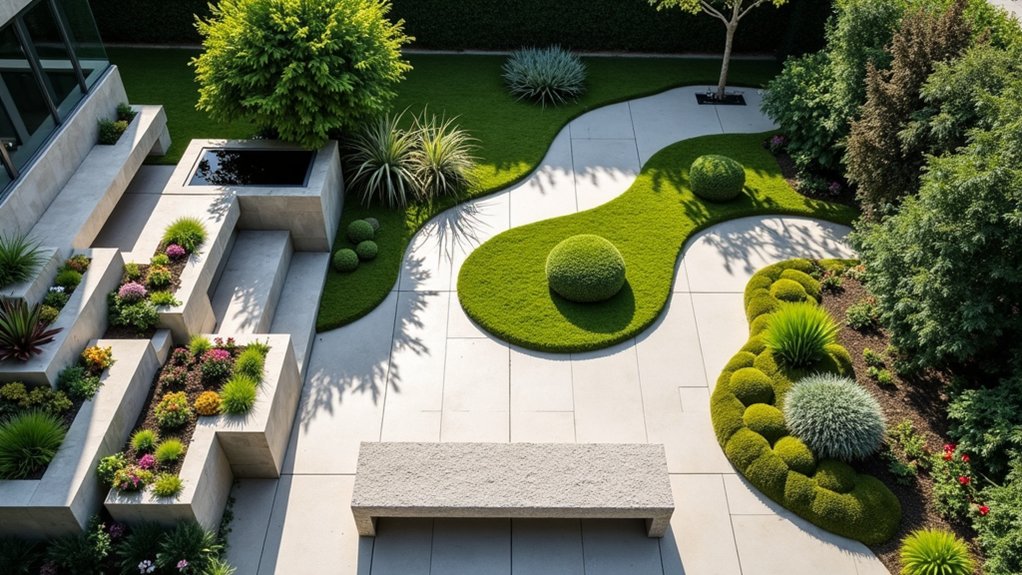
Modern backyard concrete walkways are designed to guide movement while enhancing visual appeal. Instead of narrow, utilitarian paths, designers use wider slabs, geometric layouts, or spaced concrete sections to create rhythm and flow.
These walkways often connect key areas such as patios, gardens, pools, and seating zones. Their durability ensures they can handle frequent foot traffic without shifting or deteriorating. At the same time, thoughtful placement helps protect landscaping by directing movement away from delicate plants.
Concrete paths also improve accessibility. Smooth, level surfaces are easier to navigate for people of all ages, making the backyard more inclusive and functional for families and guests.
Benefits of Using Modern Backyard Concrete
Durability and Long-Term Performance
One of the strongest advantages of modern backyard concrete is its exceptional durability. When properly installed and maintained, concrete surfaces can last for decades without significant structural issues. This longevity makes it an attractive option for homeowners seeking reliable outdoor materials.
Concrete resists common outdoor challenges such as moisture, UV exposure, and temperature fluctuations. Unlike wood, it does not rot or warp, and unlike gravel, it does not shift or require constant leveling. This stability ensures that outdoor spaces remain safe and visually consistent over time.
From a practical standpoint, durability also means fewer repairs and replacements. While the initial installation requires careful planning, the long-term performance of concrete reduces maintenance costs and effort, making it a cost-effective solution in the long run.
Low Maintenance and Ease of Care
Modern backyard concrete is valued for its low maintenance requirements. Routine cleaning typically involves sweeping debris and occasional washing to remove dirt or stains. Protective sealers can further enhance resistance to moisture and surface wear.
This ease of care is especially beneficial for busy homeowners who want an attractive backyard without constant upkeep. Compared to natural stone or wood decking, concrete requires significantly less attention to maintain its appearance and structural integrity.
Additionally, modern finishes are designed to age gracefully. Minor surface changes over time often add character rather than detract from the overall aesthetic, aligning with contemporary design preferences for natural, lived-in spaces.
Real-World Examples of Modern Backyard Concrete Applications
Polished Concrete Backyard Lounge Area
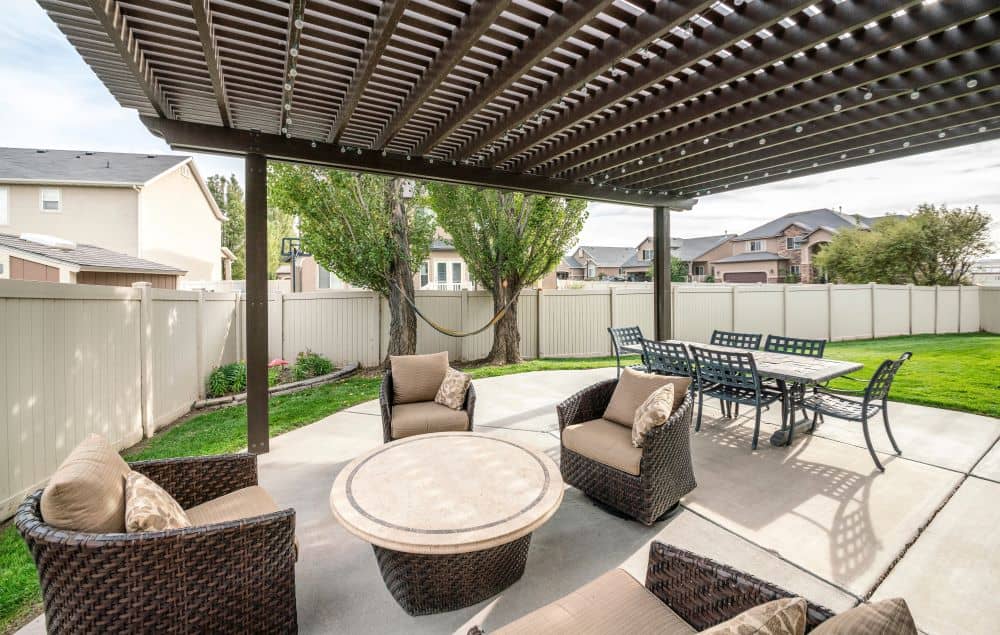
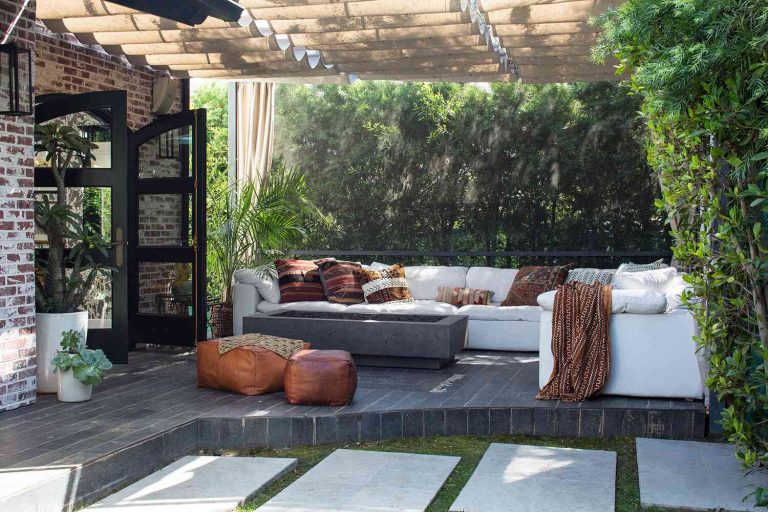
A polished concrete lounge area demonstrates how modern backyard concrete can create a refined outdoor environment. The smooth, reflective surface enhances natural light and complements minimalist furniture designs. This type of application is particularly popular in urban or modern-style homes.
Beyond aesthetics, polished concrete provides a comfortable surface for bare feet and is easy to clean after gatherings. Its seamless appearance also helps visually expand smaller backyard spaces by reducing visual clutter.
The relevance of this application lies in its versatility. It can function as a quiet retreat, an entertainment space, or a transitional area connecting indoor and outdoor living zones.
Stamped Concrete Entertainment Patio
Stamped concrete patios showcase how concrete can mimic the appearance of stone or tile while maintaining modern simplicity. Subtle patterns and textures add visual interest without overwhelming the space.
This application is especially useful for entertainment-focused backyards. The surface can accommodate dining sets, grills, and outdoor kitchens while maintaining a cohesive look. Unlike individual pavers, stamped concrete eliminates gaps where weeds can grow.
Its relevance comes from combining aesthetic appeal with structural reliability. Homeowners enjoy the look of premium materials without the associated maintenance challenges.
Concrete Pool Deck Integration
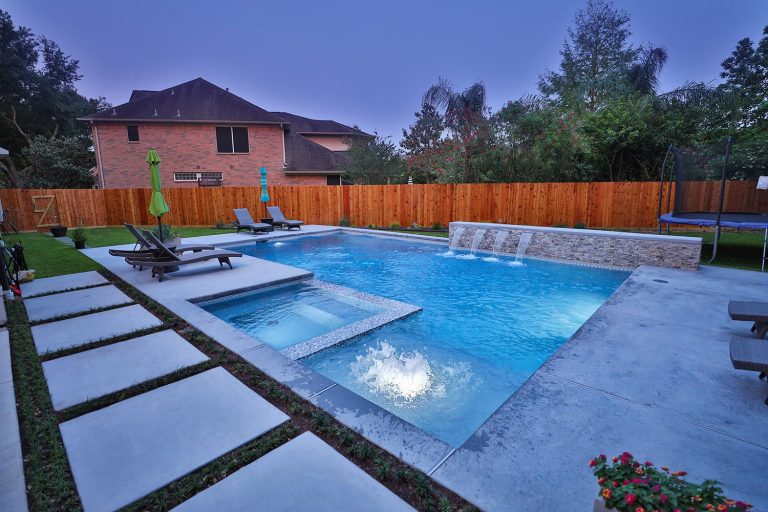
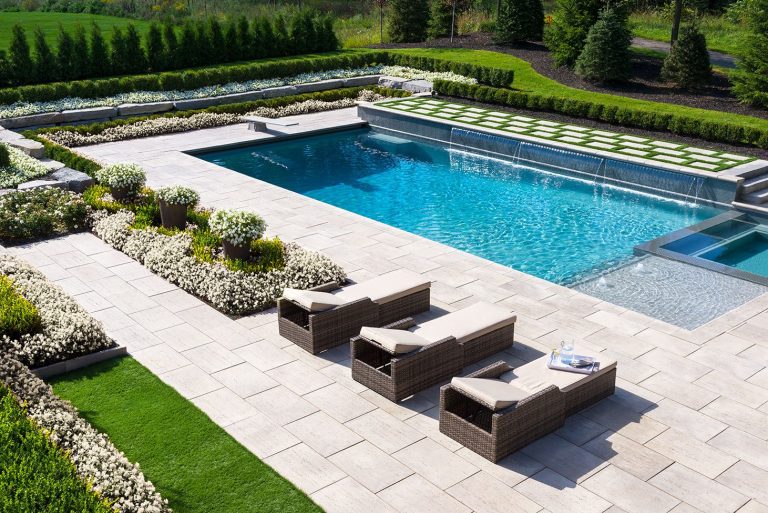
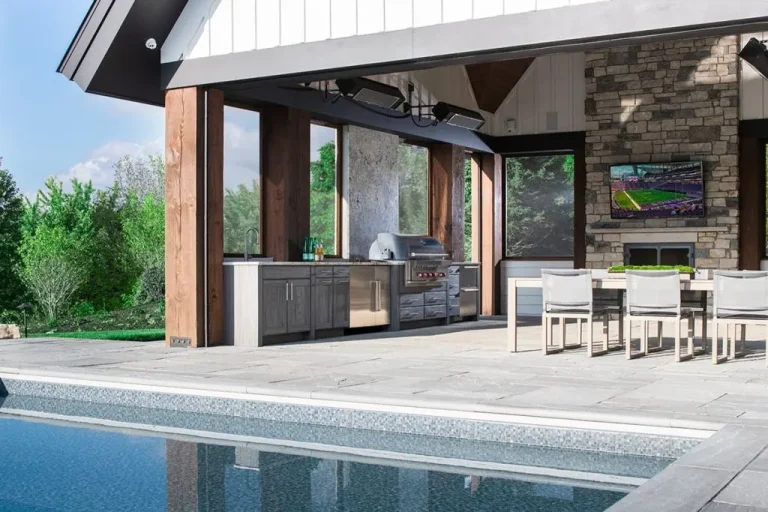
Modern backyard concrete is widely used around pools due to its safety and design flexibility. Slip-resistant finishes and smooth edges create a comfortable and secure poolside environment.
Concrete pool decks can be designed to complement water features and surrounding landscaping. Neutral tones help reflect sunlight without creating glare, enhancing both comfort and visual balance.
This use case is particularly relevant for families, as concrete provides a stable surface that withstands water exposure and frequent use while maintaining a clean, modern appearance.
Built-In Concrete Seating and Planters
Concrete seating and planters represent multifunctional design solutions. These built-in elements reduce the need for additional furniture while creating a cohesive backyard layout.
The weight and solidity of concrete make it ideal for permanent features that anchor the design. Integrated seating encourages social interaction, while concrete planters frame greenery and soften the overall look.
Their relevance lies in space efficiency and durability. These features are especially useful in compact backyards where maximizing usable space is essential.
Practical Use Cases and Problem-Solving Benefits
Creating Functional Outdoor Living Spaces
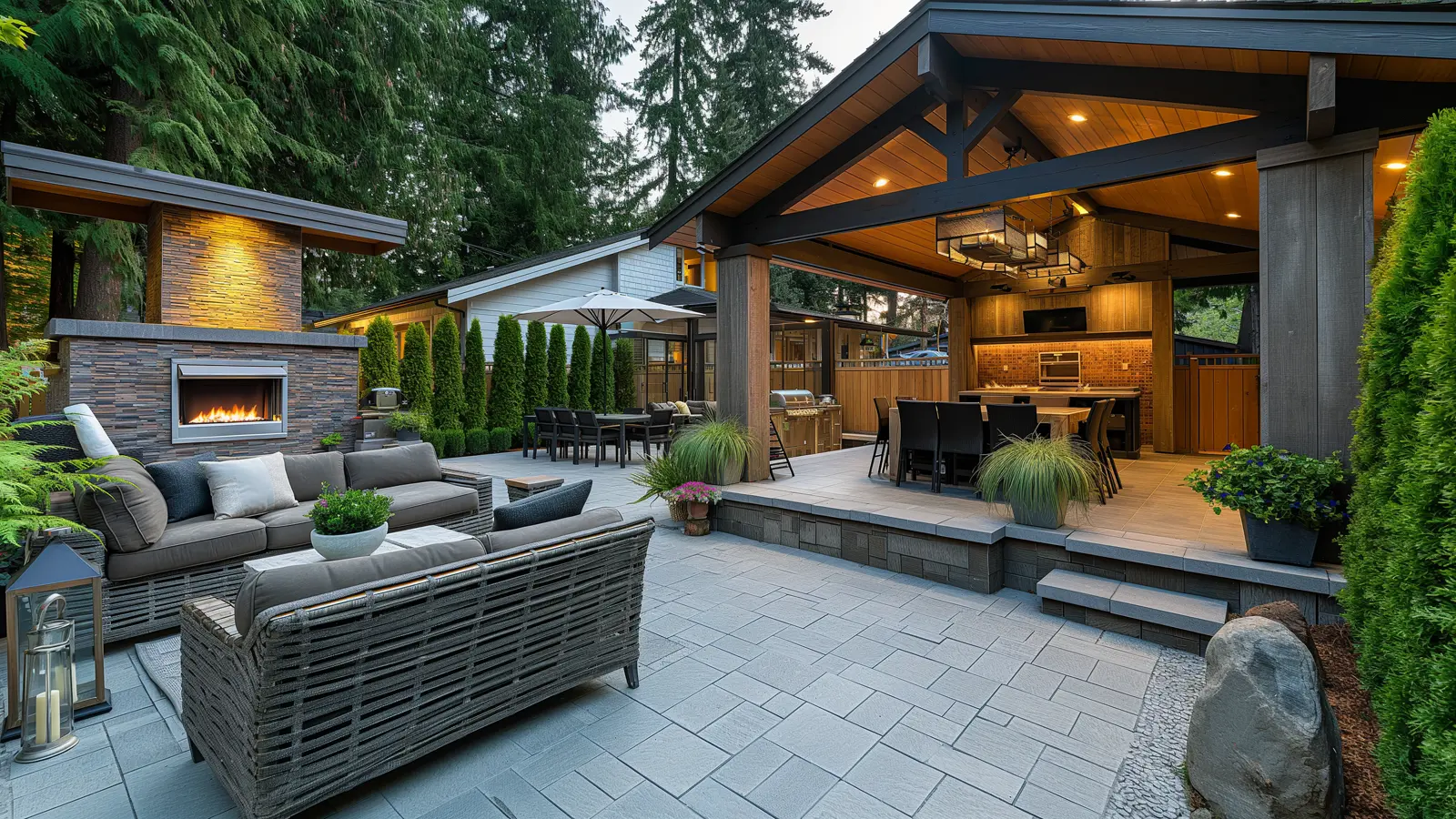
Modern backyard concrete helps solve the challenge of creating defined outdoor living areas. By establishing solid surfaces, homeowners can organize their backyards into purposeful zones for dining, relaxing, and entertaining.
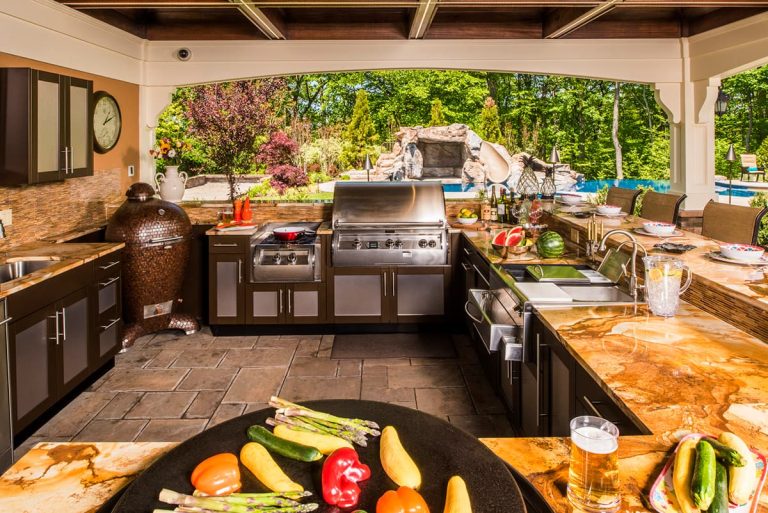
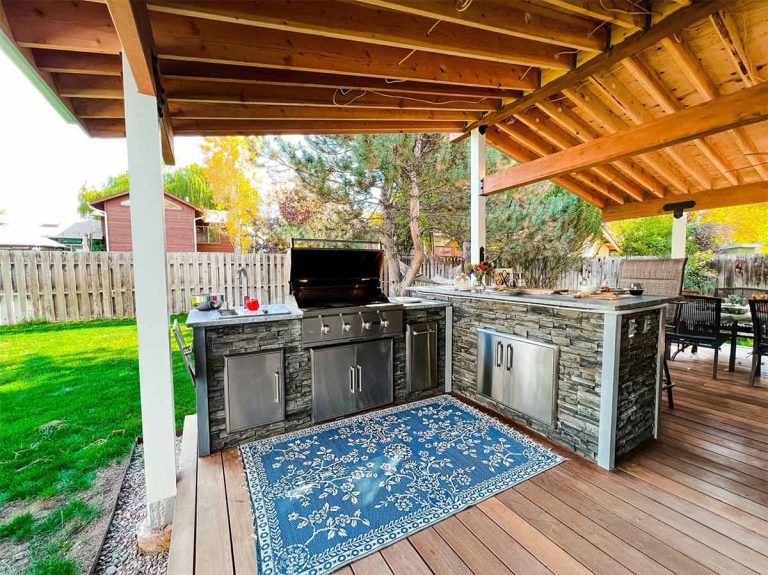
Concrete provides the structural foundation needed to support outdoor amenities such as kitchens, fire pits, and pergolas. This enables more complex backyard designs that function like extensions of indoor spaces.
In real-life situations, this means families can host gatherings, enjoy meals outdoors, or relax comfortably without worrying about uneven ground or unstable surfaces.
Improving Drainage and Ground Stability
Uneven or muddy backyards are common problems, especially in areas with heavy rainfall. Modern backyard concrete addresses this issue by providing stable surfaces that can be graded for proper drainage.
Well-designed concrete installations direct water away from the home and high-traffic areas, reducing erosion and water pooling. This improves safety and protects landscaping investments.
The practical benefit is a cleaner, more usable backyard throughout the year, regardless of weather conditions.
Frequently Asked Questions
Is modern backyard concrete suitable for all climates?
Modern backyard concrete can perform well in a wide range of climates when properly designed and installed. Factors such as expansion joints, proper curing, and surface treatments help concrete adapt to temperature changes, moisture, and sun exposure.
Does concrete limit design creativity in backyards?
Concrete does not limit creativity; instead, it enhances it. With various finishes, colors, and forms available, modern backyard concrete supports both minimalist and complex design concepts while maintaining cohesion and functionality.
How does concrete compare to other backyard materials?
Concrete stands out for its durability, low maintenance, and versatility. While other materials may offer specific aesthetic qualities, concrete provides a balanced combination of strength, design flexibility, and long-term value that suits modern outdoor living needs.