Modern Backyard Patio Designs A Complete Guide to Creating Stylish and Functional Outdoor Spaces
Modern backyard patio designs have become an essential element of contemporary homes, blending comfort, aesthetics, and functionality into a seamless outdoor living experience. As homeowners increasingly view their outdoor areas as extensions of their interior spaces, patios are no longer simple paved surfaces but carefully curated environments designed for relaxation, entertainment, and everyday living.
This comprehensive guide explores modern backyard patio designs in depth, covering design principles, materials, layouts, technology integration, real-world examples, and practical benefits. Whether the goal is to create a minimalist retreat, a social entertainment hub, or a peaceful outdoor sanctuary, modern patio design offers flexible solutions for a wide range of lifestyles and property types.
Understanding Modern Backyard Patio Design Principles
Clean Lines and Minimalist Aesthetics
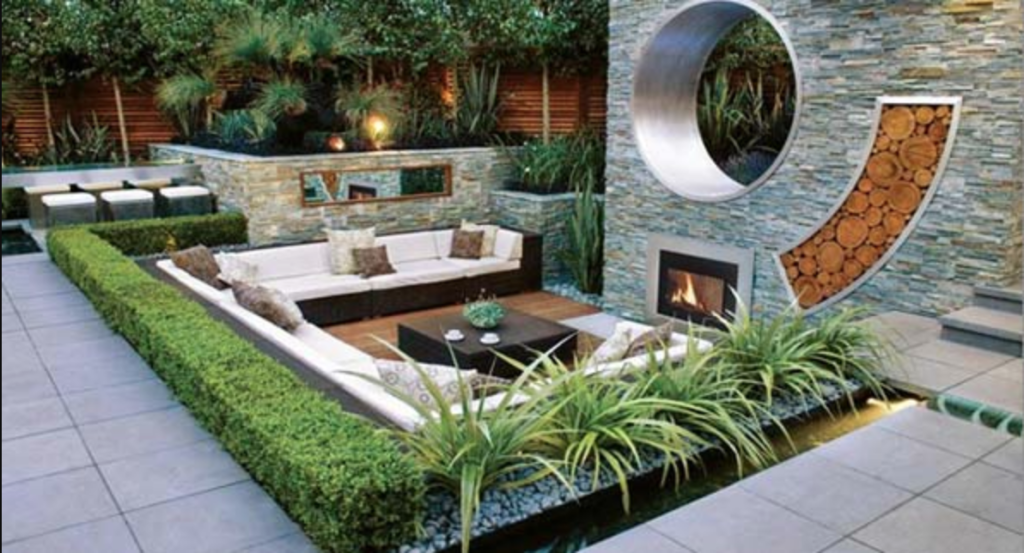
Modern backyard patio designs are defined by clean lines, uncluttered layouts, and a strong emphasis on simplicity. Rather than ornate details or decorative excess, modern patios rely on balanced proportions, open space, and subtle contrasts. Straight edges, geometric shapes, and streamlined furniture contribute to a calm and visually cohesive outdoor environment.
This minimalist approach allows the surrounding architecture and natural elements to stand out. By reducing visual noise, modern patios create a sense of order and intentionality, making the space feel larger and more inviting. The design encourages thoughtful placement of furniture and features, ensuring that every element serves a functional and aesthetic purpose.
Seamless Indoor–Outdoor Connection
A key principle of modern patio design is the seamless transition between indoor and outdoor living spaces. Large sliding glass doors, consistent flooring materials, and aligned architectural lines help blur the boundary between the home’s interior and the backyard patio. This connection enhances usability and encourages more frequent use of the outdoor space.
By extending interior design elements—such as color palettes, textures, and lighting—into the patio area, homeowners create visual continuity. This design strategy not only improves flow but also increases the perceived size of the living area, making the patio feel like a natural extension of the home rather than a separate zone.
Materials That Define Modern Backyard Patio Designs
Contemporary Hardscape Materials
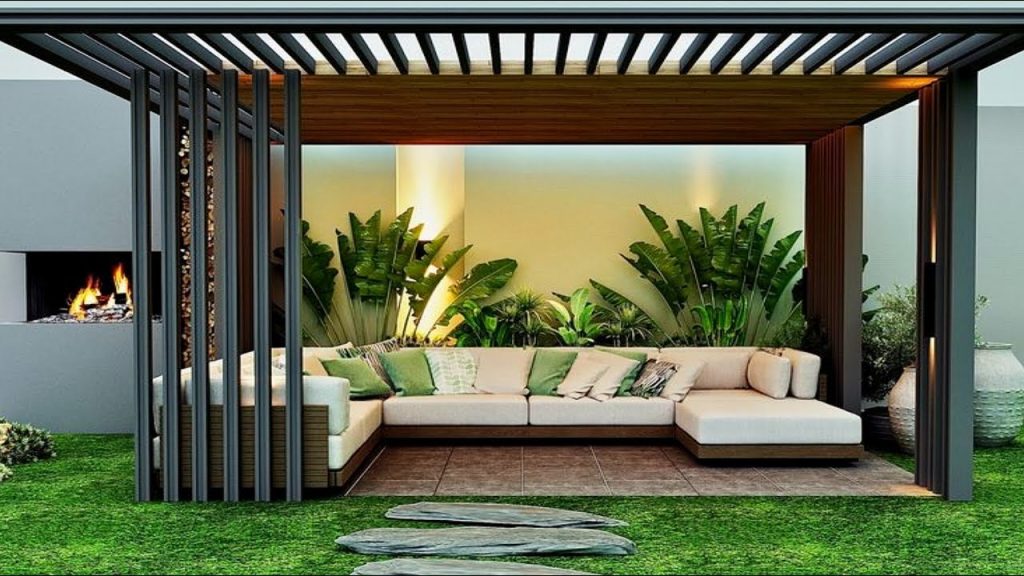
Modern backyard patio designs often feature advanced hardscape materials such as concrete pavers, porcelain tiles, and natural stone with smooth finishes. Concrete, in particular, is a popular choice due to its versatility, durability, and ability to be molded into clean, precise shapes that align with modern aesthetics.
Porcelain tiles are valued for their resistance to moisture, temperature changes, and fading, making them ideal for outdoor use. These materials provide a sleek foundation that supports both minimalist and luxurious patio concepts while maintaining long-term performance and ease of maintenance.
Blending Natural and Industrial Elements
Modern patio design frequently combines natural materials like wood and stone with industrial finishes such as metal and concrete. This balance creates warmth without sacrificing the clean, contemporary look. Wood decking or composite planks soften the visual impact of hard surfaces and introduce a tactile, organic quality.
Metal accents, including aluminum pergolas, steel planters, or minimalist railings, add structure and contrast. When used thoughtfully, these materials work together to create a visually dynamic yet harmonious patio environment that feels both modern and inviting.
Layout Strategies for Modern Backyard Patios
Open-Concept Patio Layouts
Open-concept layouts are central to modern backyard patio designs. These layouts avoid unnecessary walls or barriers, allowing for flexible use and easy movement throughout the space. Furniture is often arranged to define zones without closing them off, maintaining a sense of openness and flow.
This layout style supports multiple activities, such as lounging, dining, and socializing, within a single cohesive area. By using rugs, lighting, or subtle elevation changes, different functional zones can coexist while preserving the minimalist design ethos.
Multi-Functional Zoning
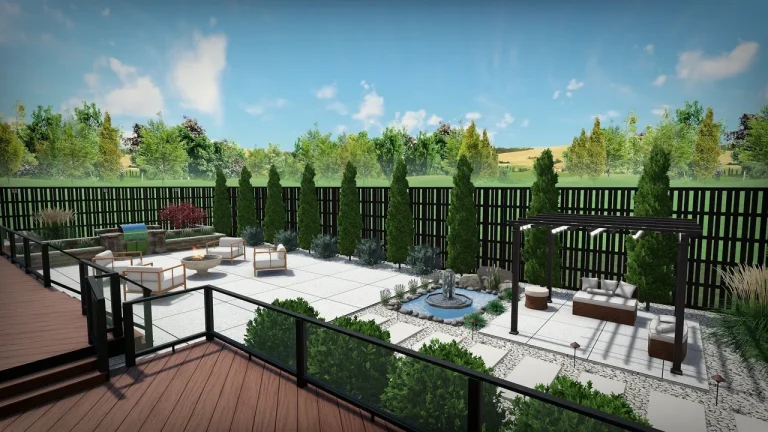
Modern patios are designed to serve multiple purposes without appearing crowded. Zoning strategies help organize the space into functional areas while maintaining visual simplicity. For example, a seating area may be paired with a dining zone and a fire feature, each clearly defined yet visually connected.
Careful planning ensures that these zones complement one another rather than compete for attention. This approach maximizes usability and ensures that the patio remains adaptable to different needs, from quiet evenings to social gatherings.
Integrating Technology in Modern Backyard Patio Designs
Smart Lighting and Automation
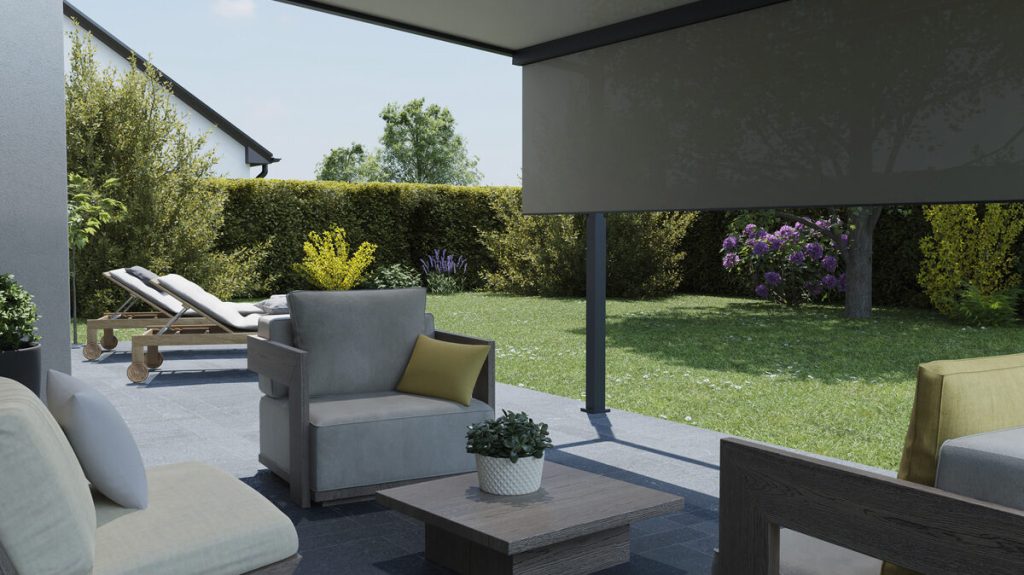
Technology plays an increasingly important role in modern backyard patio designs, particularly through smart lighting systems. Automated lighting allows homeowners to adjust brightness, color temperature, and timing to suit different activities and moods. This enhances both functionality and ambiance.
Smart lighting systems can be integrated with mobile apps or home automation platforms, providing convenience and energy efficiency. Pathway lights, accent lighting, and overhead fixtures work together to create a layered lighting scheme that improves safety while highlighting architectural and landscape features.
Outdoor Entertainment Technology
Modern patios often incorporate outdoor entertainment systems, such as weather-resistant speakers and concealed wiring for media devices. These technologies are designed to blend seamlessly into the patio environment, maintaining clean lines and uncluttered surfaces.
By integrating entertainment technology into the design, patios become versatile spaces suitable for social gatherings, relaxation, or family time. The emphasis remains on subtle integration rather than visible hardware, preserving the modern aesthetic.
Real-World Examples of Modern Backyard Patio Designs
Minimalist Concrete Patio with Fire Feature
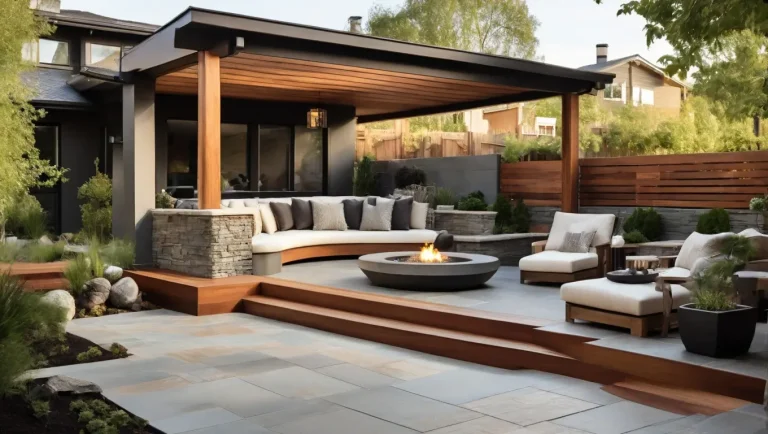
A minimalist concrete patio featuring a built-in fire feature exemplifies modern backyard patio design. The use of smooth concrete surfaces, neutral tones, and simple seating creates a refined and functional space. The fire feature serves as a focal point while providing warmth and visual interest.
This design is particularly relevant for homeowners seeking year-round usability. The clean layout and durable materials ensure longevity, while the fire feature encourages social interaction without overwhelming the minimalist aesthetic.
Wood-Accented Contemporary Patio
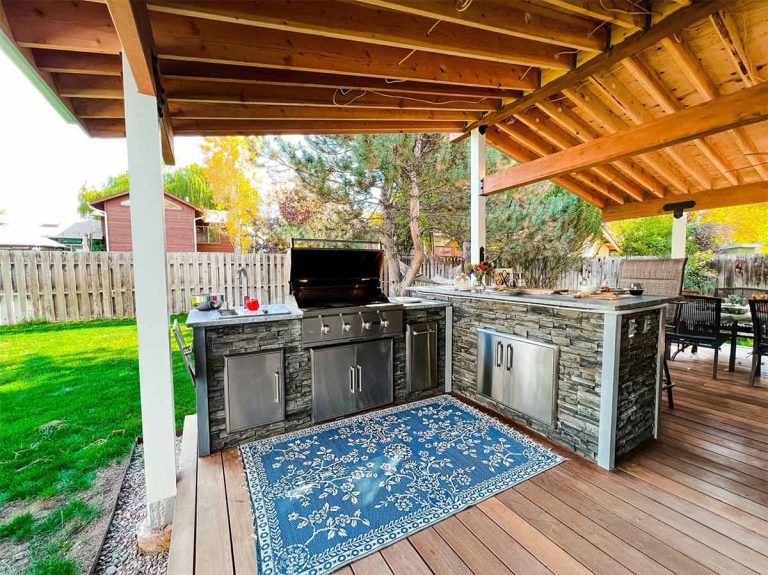
A modern patio that combines concrete flooring with wood accents demonstrates how natural materials enhance contemporary design. Wooden benches, decking elements, or privacy screens introduce warmth and texture, balancing the coolness of concrete and metal.
This approach is ideal for creating a welcoming atmosphere without sacrificing modern principles. The contrast between materials adds depth and character, making the patio visually engaging and comfortable.
Pergola-Covered Modern Patio Space
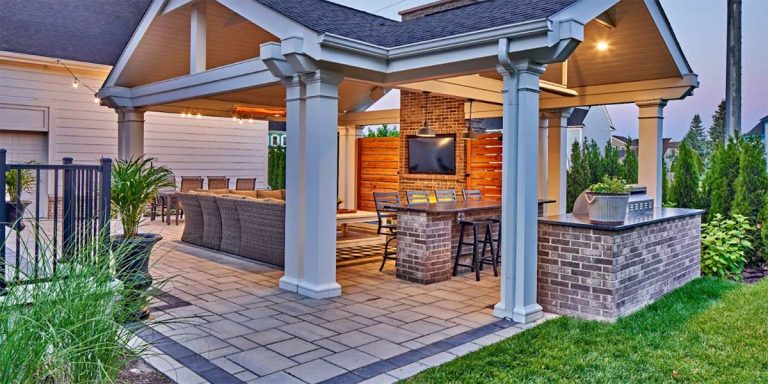
A pergola-covered patio offers both structure and flexibility in modern backyard patio designs. Aluminum or steel pergolas with clean lines provide shade while maintaining an open, airy feel. Adjustable slats or integrated lighting enhance functionality.
This design is particularly useful in climates where sun control is essential. The pergola defines the patio area without enclosing it, preserving the modern emphasis on openness and connection to the surrounding landscape.
Poolside Modern Patio Design
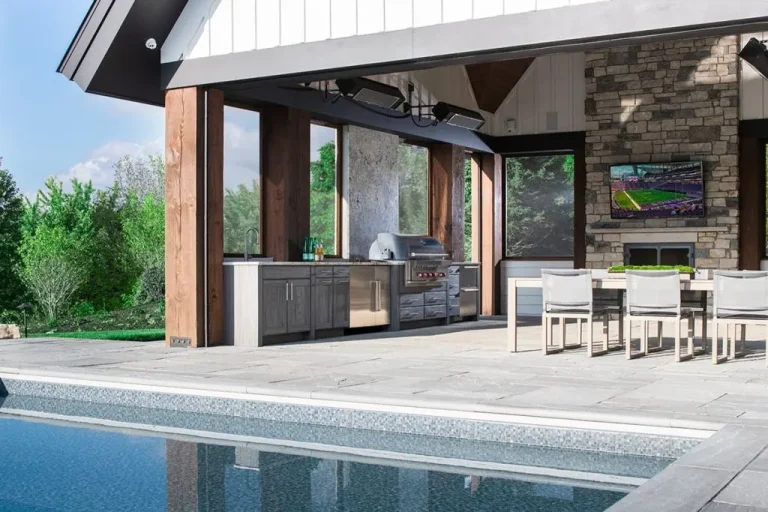
Modern poolside patios focus on simplicity, safety, and visual continuity. Materials such as porcelain tiles or textured concrete provide slip resistance while maintaining a sleek appearance. Furniture is often low-profile and arranged to maximize views of the pool.
This design supports both relaxation and entertainment, making it a practical solution for families and social hosts. The modern aesthetic ensures that the patio complements the pool rather than competing with it visually.
Practical Benefits of Modern Backyard Patio Designs
Enhanced Usability and Comfort
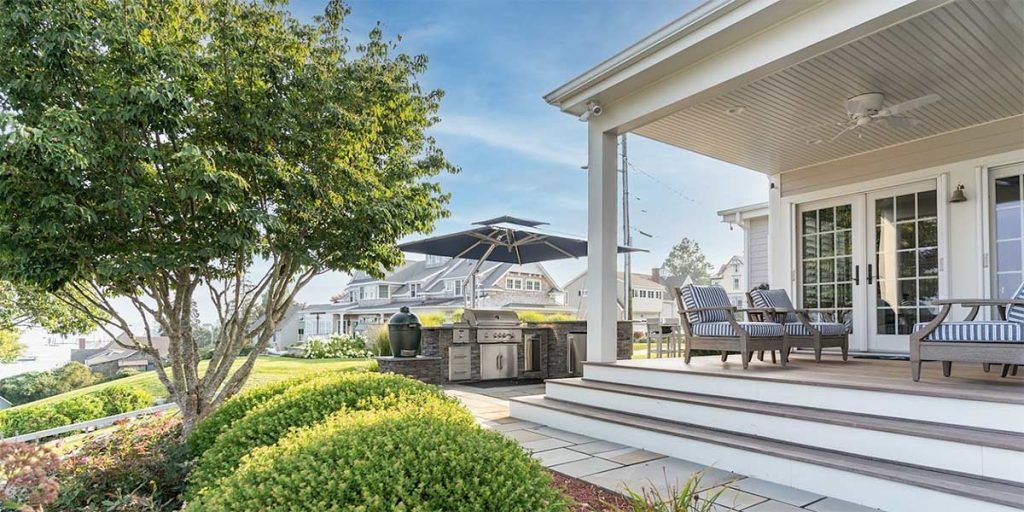
Modern backyard patio designs prioritize usability by creating spaces that adapt to everyday needs. Thoughtful layouts, comfortable furniture, and integrated features ensure that the patio can be used for relaxation, dining, and social interaction with minimal effort.
By focusing on comfort and accessibility, modern patios encourage more frequent use. This transforms the backyard into an active living space rather than an underutilized area.
Long-Term Durability and Low Maintenance
The materials and construction methods used in modern patio designs are chosen for durability and ease of maintenance. Concrete, porcelain, and composite materials resist weathering and require minimal upkeep, making them practical long-term investments.
This durability reduces the need for frequent repairs or replacements, saving time and resources. Homeowners benefit from a patio that maintains its appearance and functionality over time.
Real-Life Use Cases and Problem-Solving Benefits
Modern backyard patio designs address common challenges such as limited outdoor space, inconsistent weather, and the need for multi-purpose areas. Open layouts and smart zoning help maximize smaller yards, making them feel larger and more functional.
Additionally, technology integration solves practical issues related to lighting, comfort, and usability. Automated systems enhance convenience and efficiency, while durable materials reduce maintenance concerns. These solutions make modern patios highly adaptable to real-life situations and changing needs.
Frequently Asked Questions
What makes a backyard patio design “modern”?
A modern backyard patio design is characterized by clean lines, minimalist layouts, contemporary materials, and a strong connection between indoor and outdoor spaces. The focus is on functionality, simplicity, and long-term usability rather than decorative complexity.
Are modern backyard patios suitable for small spaces?
Yes, modern patio designs are particularly effective for small spaces. Open layouts, smart zoning, and minimalist furniture help maximize usability without making the area feel crowded. Strategic material choices and lighting further enhance the sense of space.
How does technology improve modern backyard patio designs?
Technology improves modern patios by enhancing comfort, convenience, and efficiency. Smart lighting, automation, and integrated entertainment systems allow homeowners to customize their outdoor environment while maintaining a clean and uncluttered design.