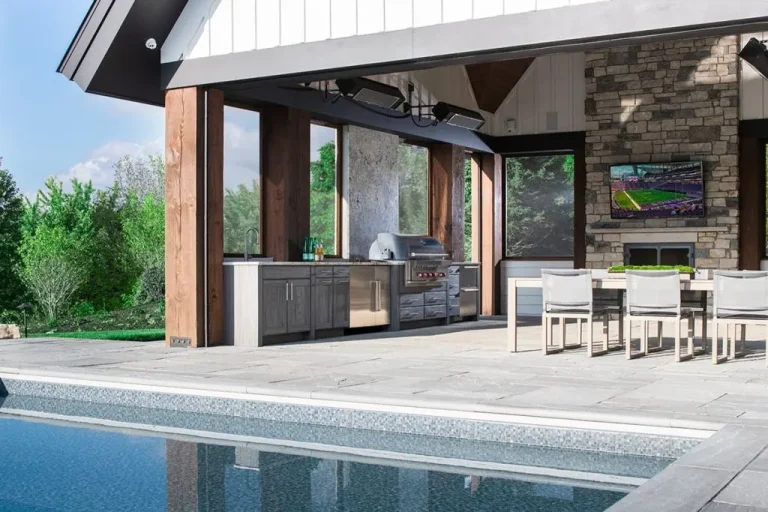
Modern Outdoor Kitchen Design Principles, Technology, Benefits, and Real-Life Applications
A modern outdoor kitchen is no longer just an upgraded grill station placed in a backyard. It has evolved into a fully functional extension of the home, designed with contemporary aesthetics, advanced cooking technology, weather-resistant materials, and a strong focus on lifestyle integration. Homeowners, architects, and designers now treat outdoor kitchens as permanent living spaces that support cooking, entertaining, relaxation, and even remote work or social gatherings.
Unlike traditional outdoor cooking areas, a modern outdoor kitchen emphasizes clean lines, minimalism, efficiency, and seamless indoor–outdoor flow. It is built to perform consistently across seasons while offering the same level of comfort and functionality found in high-end indoor kitchens. This article provides an in-depth explanation of modern outdoor kitchens, their core components, technological advantages, real-world examples, and practical use cases that demonstrate their value in everyday life.
Understanding the Concept of a Modern Outdoor Kitchen
Defining a Modern Outdoor Kitchen
A modern outdoor kitchen is a purpose-built cooking and dining space located outdoors, designed using contemporary architectural principles and equipped with advanced appliances suited for open-air environments. It goes beyond basic grilling by incorporating features such as built-in cabinetry, integrated refrigeration, high-performance cooktops, sinks, storage systems, and often smart technology for temperature control and monitoring.
What distinguishes a modern outdoor kitchen from older designs is its emphasis on integration. These kitchens are planned as part of the overall architectural layout of a home rather than as an afterthought. Materials, colors, and layouts are selected to visually connect the outdoor area with the interior living space, creating a cohesive design language.
How Modern Outdoor Kitchens Differ from Traditional Outdoor Cooking Areas
Traditional outdoor kitchens were typically centered around a single grill with limited preparation space and minimal weather protection. In contrast, modern outdoor kitchens are multi-functional environments. They often include zones for cooking, food preparation, dining, and lounging, all organized within a structured layout.
Another key difference lies in durability and usability. Modern designs use materials engineered to withstand sun exposure, moisture, and temperature changes without sacrificing appearance. This allows the space to be used frequently and comfortably, rather than only during specific seasons or occasions.
Core Design Principles of Modern Outdoor Kitchens
Minimalist Layout and Functional Zoning
Modern outdoor kitchens follow minimalist design principles that prioritize simplicity and efficiency. Clean lines, uncluttered surfaces, and concealed storage are common features. Each element has a clear purpose, reducing visual noise while improving usability.
Functional zoning is a crucial concept in modern outdoor kitchen design. Cooking areas are separated from preparation zones, dining spaces, and social areas. This layout ensures smooth workflow, prevents crowding, and allows multiple activities to occur simultaneously without disruption.
Material Selection for Durability and Aesthetics
Material choice plays a critical role in defining a modern outdoor kitchen. Stainless steel, concrete, porcelain slabs, natural stone, and treated wood are frequently used due to their resistance to weather and ease of maintenance. These materials also align well with modern design aesthetics.
The visual appeal of these materials is just as important as their performance. Matte finishes, neutral color palettes, and natural textures are commonly used to create a refined, timeless appearance that blends seamlessly with outdoor surroundings.
Technology Integration in Modern Outdoor Kitchens
Smart Appliances and Digital Controls
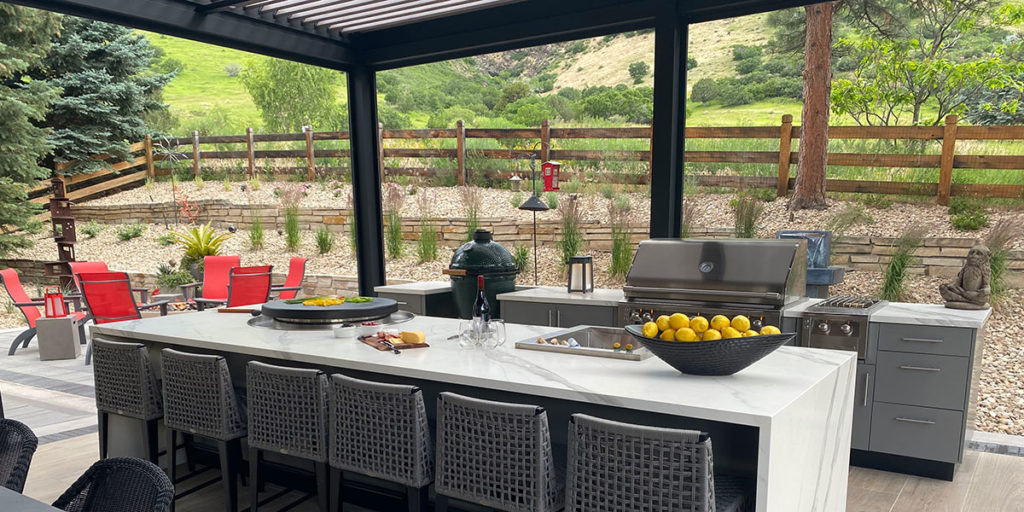
Modern outdoor kitchens increasingly feature smart appliances designed for outdoor use. These include grills with digital temperature controls, app-connected smokers, and refrigerators with precise cooling systems. Smart controls allow users to monitor cooking progress remotely, reducing guesswork and improving results.
Digital integration enhances convenience and safety. Alerts can notify users when food reaches a target temperature, when fuel levels are low, or when maintenance is required. This level of control transforms outdoor cooking into a precise, reliable experience similar to professional kitchens.
Energy Efficiency and Sustainable Technology
Energy-efficient appliances are another defining feature of modern outdoor kitchens. High-performance burners, infrared grilling technology, and efficient insulation help reduce energy consumption while delivering consistent heat output.
Many modern designs also incorporate sustainable features such as solar-powered lighting, water-saving faucets, and LED illumination. These technologies reduce environmental impact and support long-term cost efficiency without compromising functionality.
Benefits of a Modern Outdoor Kitchen
Enhanced Lifestyle and Social Interaction
One of the most significant benefits of a modern outdoor kitchen is its impact on lifestyle. By moving cooking and dining outdoors, homeowners can create a more relaxed and engaging environment for social interaction. Guests naturally gather around cooking areas, making meals more interactive and memorable.
This social dynamic encourages longer gatherings and deeper connections. Instead of isolating the cook indoors, a modern outdoor kitchen allows everyone to participate in the experience, strengthening social bonds and enhancing overall enjoyment.
Improved Use of Outdoor Space
Modern outdoor kitchens transform underutilized outdoor areas into functional living spaces. Patios, decks, and backyards become extensions of the home rather than decorative zones. This maximizes usable square footage without requiring structural expansion.
By integrating cooking, dining, and relaxation into a single outdoor environment, homeowners can enjoy their outdoor space more frequently and for a wider range of activities, from casual weekday meals to formal entertaining.
Real-World Examples of Modern Outdoor Kitchen Applications
Built-In Stainless Steel Outdoor Kitchen System
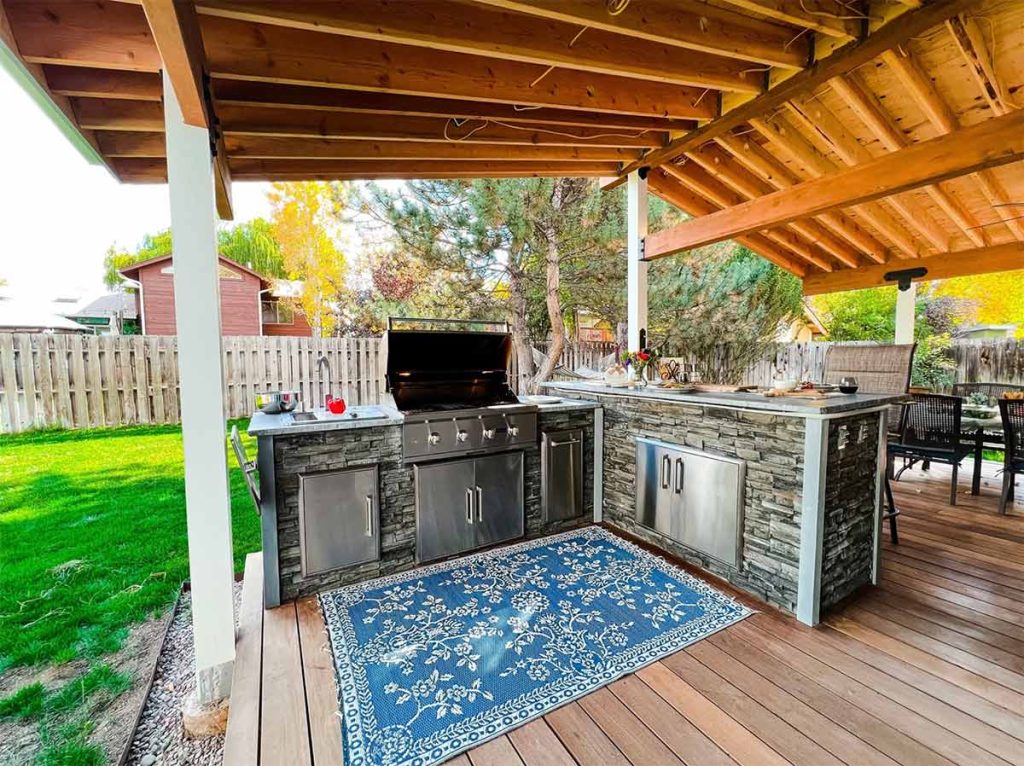
A built-in stainless steel outdoor kitchen system exemplifies modern design through its sleek appearance and high durability. These systems often include integrated grills, storage drawers, sinks, and refrigeration units, all housed within a cohesive stainless steel framework.
The relevance of this example lies in its balance between performance and aesthetics. Stainless steel resists corrosion and heat while providing a clean, professional look. This makes it ideal for homeowners seeking a low-maintenance yet visually striking outdoor kitchen solution.
Concrete and Stone Contemporary Outdoor Kitchen
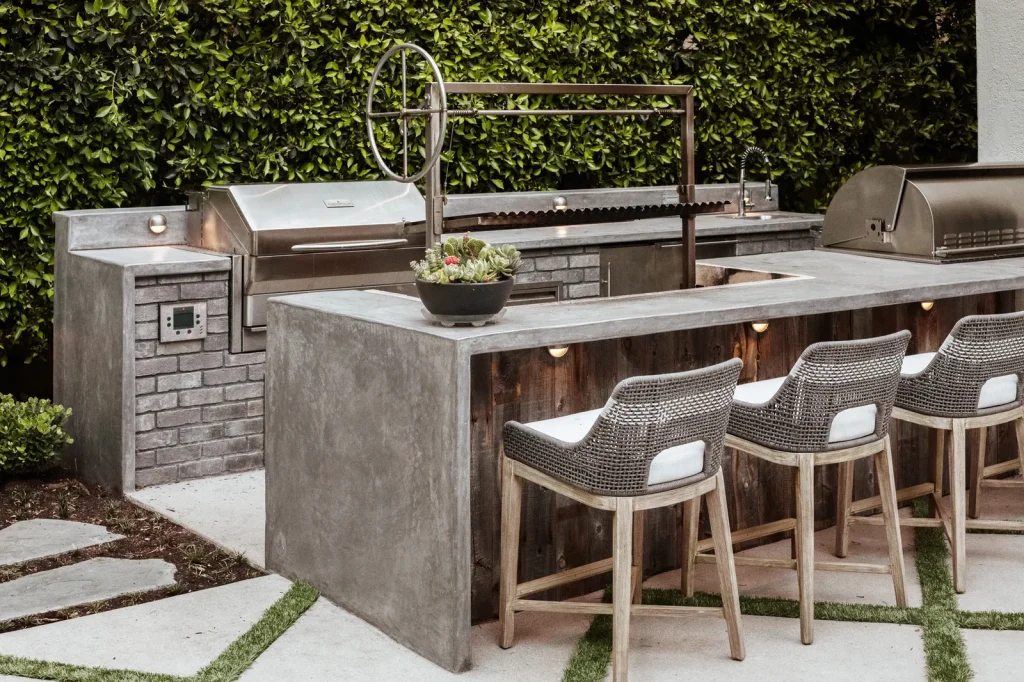
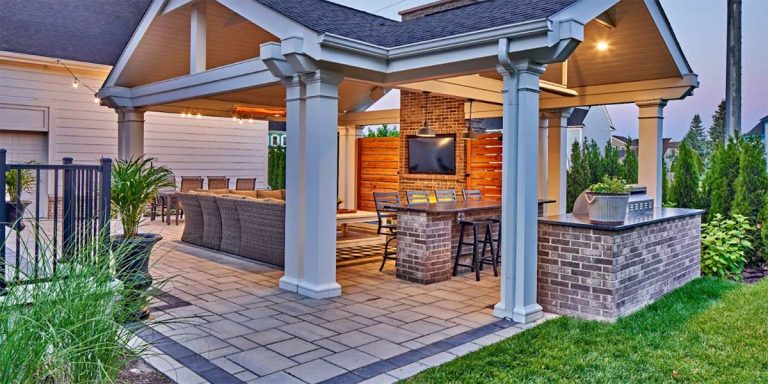
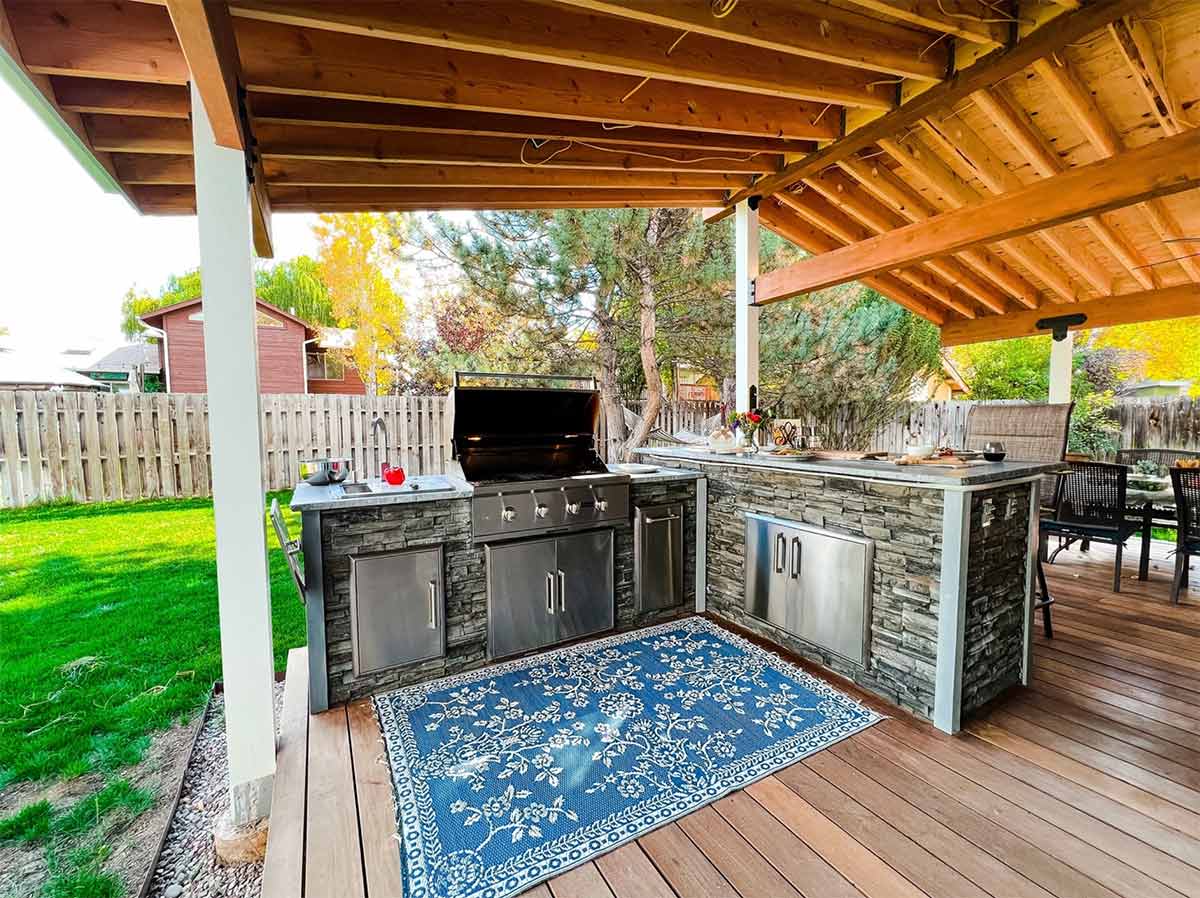
Concrete and stone outdoor kitchens represent a modern architectural approach that emphasizes permanence and structure. These kitchens often feature cast concrete countertops, stone cladding, and built-in appliances seamlessly embedded into the design.
This type of outdoor kitchen is particularly relevant for homes with modern or industrial architectural styles. The materials offer exceptional durability and thermal stability, making them suitable for year-round use while delivering a bold, contemporary aesthetic.
Modular Modern Outdoor Kitchen Units
Modular outdoor kitchen units provide flexibility and scalability. These systems consist of prefabricated modules that can be arranged to suit different spaces and needs. Modules may include grills, prep stations, storage, and utility components.
The relevance of modular units lies in their adaptability. They allow homeowners to expand or reconfigure their outdoor kitchen over time without major reconstruction. This makes them ideal for evolving lifestyles or changing space requirements.
Smart Grill-Centered Outdoor Kitchen Setup
A smart grill-centered outdoor kitchen focuses on advanced cooking technology as the centerpiece of the design. These setups feature digitally controlled grills, integrated thermometers, and connectivity with mobile devices.
This example highlights how technology enhances outdoor cooking precision. Users can achieve consistent results with minimal effort, making outdoor cooking more accessible and less time-consuming while maintaining high-quality outcomes.
Practical Use Cases for Modern Outdoor Kitchens
Everyday Family Cooking and Dining
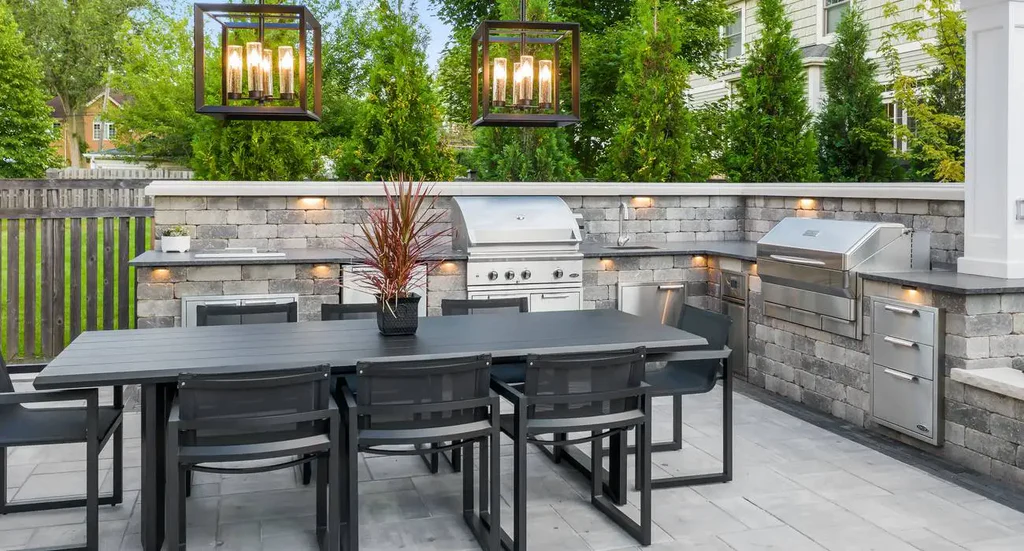
Modern outdoor kitchens are not limited to special occasions. They are designed for everyday use, allowing families to prepare regular meals outdoors. This use case reduces indoor heat buildup, especially in warm climates, and creates a more enjoyable cooking environment.
Outdoor cooking also encourages healthier habits by promoting grilling, fresh food preparation, and shared family meals in an open-air setting. This practical benefit contributes to improved quality of life.
Hosting Social Gatherings and Events
For social gatherings, a modern outdoor kitchen serves as a central hub. Hosts can prepare food while interacting with guests, eliminating the disconnect often experienced in indoor kitchens during events.
The structured layout and integrated appliances allow for efficient food preparation and serving, making it easier to host larger groups without stress. This use case demonstrates how modern outdoor kitchens enhance hospitality and entertainment.
Supporting Work-Life Balance and Relaxation
Modern outdoor kitchens also support work-life balance by creating a space where cooking, relaxation, and socialization coexist. After a long workday, preparing meals outdoors can feel less like a chore and more like a leisure activity.
This psychological benefit is particularly valuable in modern lifestyles, where outdoor environments contribute to reduced stress and improved mental well-being.
Long-Term Value and Practical Advantages
Durability and Low Maintenance
Modern outdoor kitchens are built with longevity in mind. Weather-resistant materials and high-quality construction reduce the need for frequent repairs or replacements. This durability translates into lower long-term maintenance requirements.
Over time, the reliability of a well-designed outdoor kitchen justifies the initial investment by providing consistent performance and enduring visual appeal.
Increased Property Appeal
A modern outdoor kitchen enhances overall property appeal by adding a desirable living feature. While this article does not discuss purchasing or selling, it is important to note that functional outdoor spaces contribute positively to how a home is perceived and used.
This advantage underscores the practical value of modern outdoor kitchens beyond daily use.
Frequently Asked Questions
What makes a modern outdoor kitchen different from a regular outdoor kitchen?
A modern outdoor kitchen emphasizes contemporary design, advanced technology, and seamless integration with indoor living spaces. It focuses on functionality, durability, and aesthetics rather than just basic outdoor cooking.
Can a modern outdoor kitchen be used year-round?
Yes, modern outdoor kitchens are designed with weather-resistant materials and efficient appliances that support year-round use. Proper layout and material selection allow consistent performance across different climates.
Is a modern outdoor kitchen suitable for small outdoor spaces?
Modern outdoor kitchens can be adapted to various space sizes. Modular designs and efficient layouts make it possible to create functional outdoor kitchens even in compact areas without sacrificing usability.