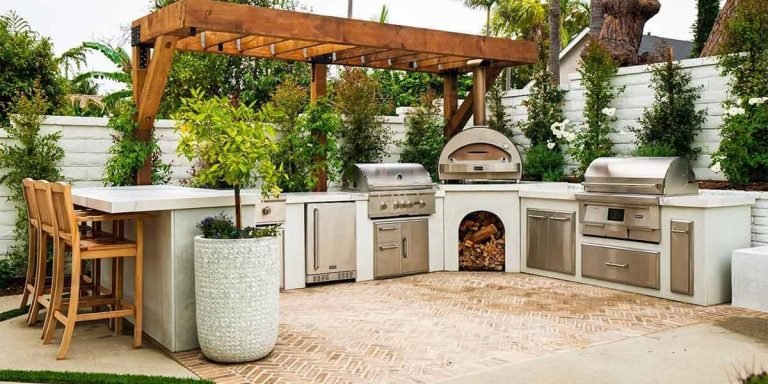
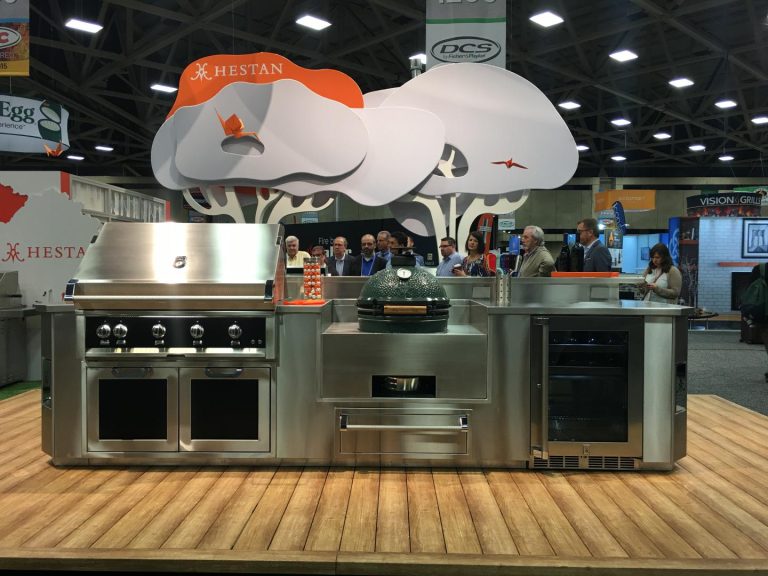
Modern Pizza Ovens Technology, Design, and Real-World Uses for Contemporary Cooking
Modern pizza ovens represent a major evolution in how people prepare pizza at home, in professional kitchens, and in outdoor living spaces. Unlike traditional brick or wood-only ovens, modern pizza ovens integrate contemporary materials, precision engineering, and advanced heat control to deliver consistent results with far less guesswork. These ovens are designed to meet the expectations of today’s users who value efficiency, versatility, and refined aesthetics.
As interest in gourmet home cooking continues to rise, modern pizza ovens have become an essential tool for people who want restaurant-quality results without relying on commercial kitchens. Their appeal extends beyond pizza itself, offering new ways to cook a wide variety of foods while maintaining high temperatures, even heat distribution, and controlled cooking environments. Understanding how these ovens work, what problems they solve, and how they fit into real-life use cases helps explain why they are becoming increasingly popular.
Understanding Modern Pizza Oven Design
Evolution From Traditional to Modern Ovens
Modern pizza ovens have evolved significantly from traditional masonry and wood-fired designs. While classic ovens rely on thick brick walls and long heat-up times, modern versions use advanced insulation materials and engineered airflow systems to reach optimal temperatures faster. This shift allows users to enjoy authentic pizza textures without the operational complexity associated with older oven styles.
Another key evolution lies in fuel flexibility. Traditional ovens often depend exclusively on wood, while modern pizza ovens may use gas, electricity, wood, or hybrid fuel systems. This flexibility allows users to choose an energy source that fits their environment and cooking habits, making pizza preparation more accessible and consistent in a wider range of settings.
Materials and Structural Innovation
The construction of modern pizza ovens reflects advancements in materials science. Stainless steel shells, ceramic fiber insulation, and high-performance refractory stone floors are commonly used to improve durability and heat retention. These materials not only reduce heat loss but also improve safety by keeping external surfaces cooler during operation.
In addition, many modern ovens are designed with portability in mind. Lightweight frames and compact footprints allow them to be used in urban homes, rooftop terraces, or small outdoor spaces. This structural efficiency ensures that high-temperature cooking is no longer limited to large backyard installations or commercial environments.
Advanced Heating Technology in Modern Pizza Ovens
Precision Temperature Control
One of the defining features of modern pizza ovens is precise temperature management. Integrated thermostats, digital displays, and adjustable burners allow users to fine-tune heat levels for different cooking styles. This precision ensures consistent cooking results, whether the goal is a crisp Neapolitan crust or a slower-baked artisan pizza.
By maintaining stable temperatures, modern ovens eliminate one of the biggest challenges of traditional pizza cooking: uneven heat. Users can focus on technique and ingredients rather than constantly adjusting fuel levels or airflow, making the cooking process more predictable and repeatable.
Rapid Heat-Up and Recovery Times
Modern pizza ovens are engineered to heat up rapidly, often reaching optimal cooking temperatures in a fraction of the time required by traditional ovens. This efficiency is achieved through optimized burner placement and advanced insulation that minimizes energy loss.
Equally important is heat recovery. After opening the oven door or removing a pizza, modern ovens can quickly regain lost heat. This feature is particularly valuable in real-world situations where multiple pizzas are cooked in succession, ensuring consistent quality across every batch.
Practical Cooking Capabilities Beyond Pizza
Versatility for Multiple Dishes
Although pizza is the primary focus, modern pizza ovens are designed for far more than a single dish. High heat and controlled airflow make them suitable for baking bread, roasting vegetables, searing meats, and even preparing desserts. This versatility transforms the oven into a multifunctional cooking tool rather than a single-purpose appliance.
For users who enjoy experimenting in the kitchen, modern pizza ovens open up new culinary possibilities. The ability to achieve professional-level temperatures allows for techniques that standard household ovens cannot replicate, expanding what can realistically be cooked at home.
Consistency in Everyday Use
Consistency is one of the most practical advantages of modern pizza ovens. Once the oven is preheated and settings are established, users can rely on predictable results every time. This reliability is especially important for households or small food operations that prepare pizza regularly.
By reducing variables such as fluctuating heat and uneven surfaces, modern ovens allow users to focus on refining recipes rather than troubleshooting equipment issues. This consistency makes them well-suited for both casual cooking and more serious culinary pursuits.
Real-World Examples of Modern Pizza Ovens
Ooni Karu 16 Multi-Fuel Pizza Oven
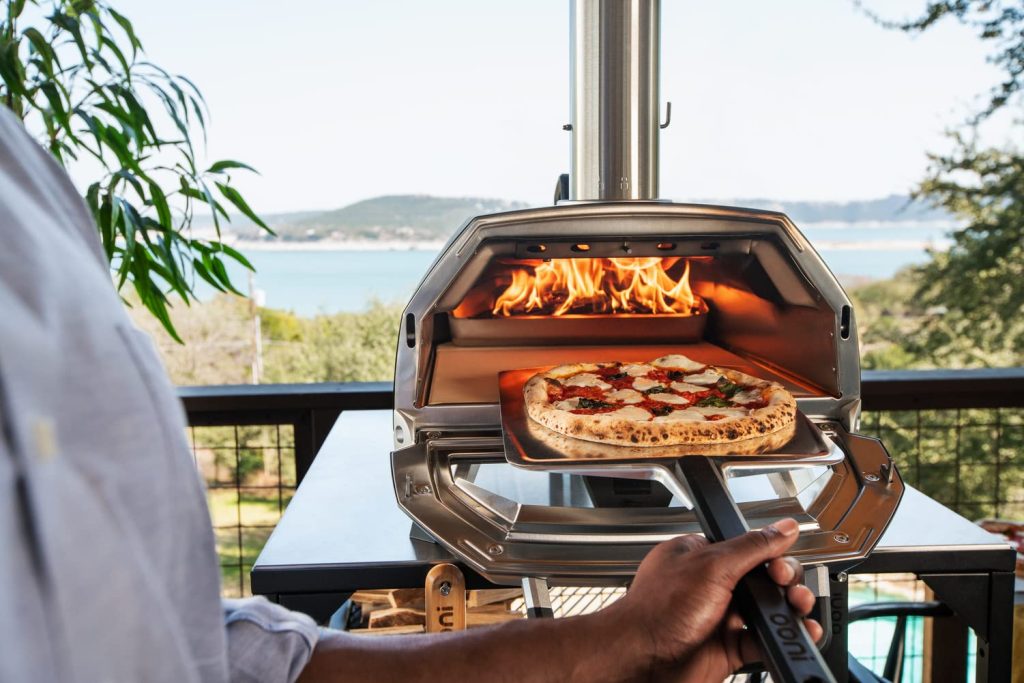
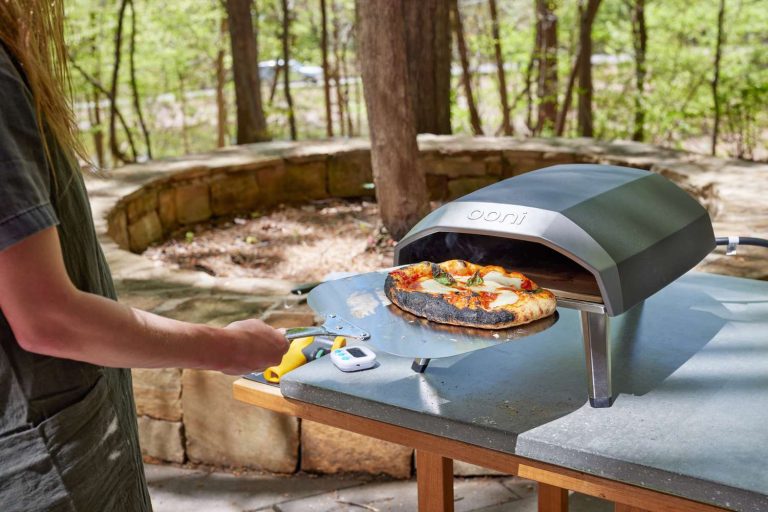
The Ooni Karu 16 represents a modern approach to pizza oven design by combining portability with multi-fuel functionality. It supports wood, charcoal, and gas, allowing users to tailor their cooking experience based on flavor preference and convenience. Its insulated steel body ensures rapid heat-up while maintaining stable internal temperatures.
This oven is relevant for users who want flexibility without sacrificing performance. It demonstrates how modern pizza ovens can adapt to different cooking environments, from backyard gatherings to compact outdoor kitchens, while still delivering consistent high-heat cooking.
Roccbox by Gozney
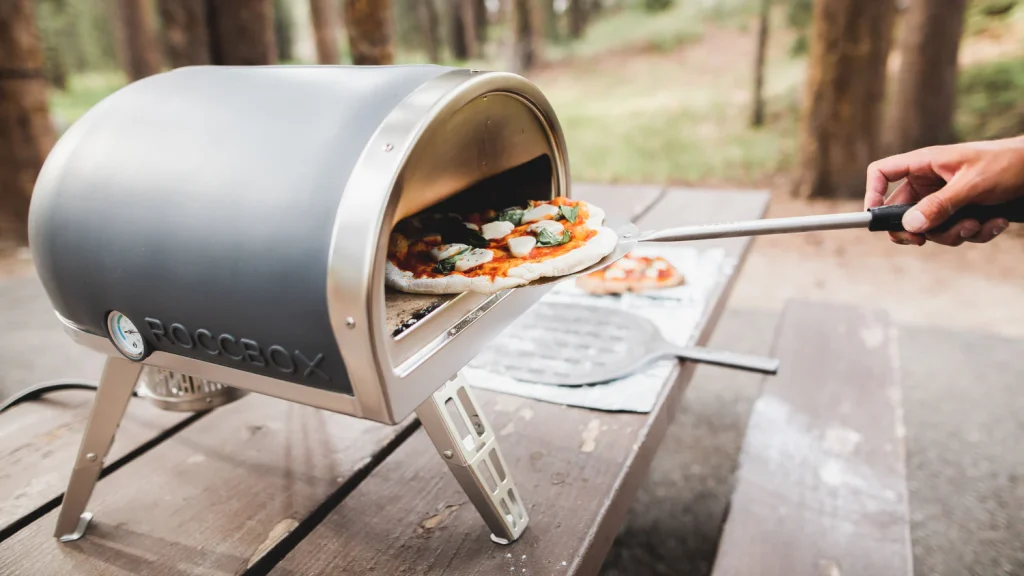
The Roccbox is a compact yet powerful example of modern pizza oven engineering. Built with thick insulation and a retractable burner system, it offers precise temperature control and excellent heat retention. Its design prioritizes safety, with silicone-jacketed exteriors that reduce the risk of accidental burns.
This oven highlights how modern pizza ovens can combine professional-grade performance with user-friendly features. It is particularly relevant for users seeking reliable results without managing complex fuel systems or extended setup times.
Breville Smart Oven Pizzaiolo
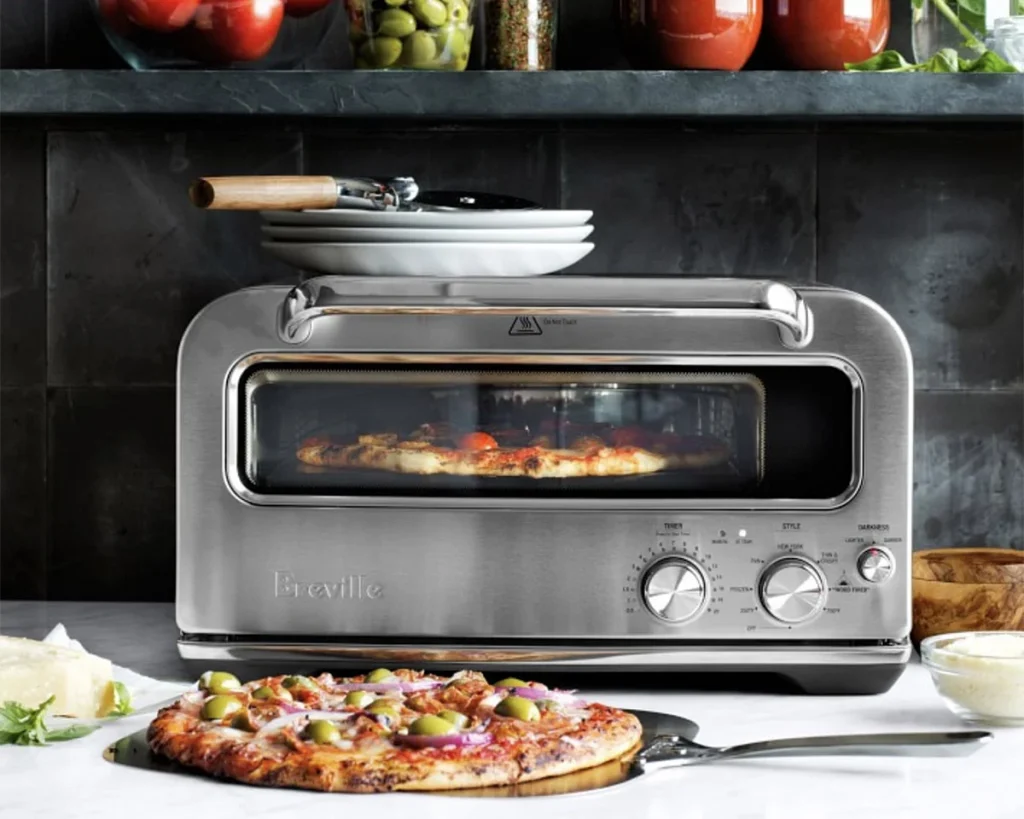
The Breville Smart Oven Pizzaiolo showcases how electric technology has entered the modern pizza oven space. Equipped with preset cooking modes and smart sensors, it automatically adjusts heat distribution to replicate different pizza styles. This level of automation makes high-quality pizza accessible to users with limited space or outdoor access.
Its relevance lies in demonstrating how modern pizza ovens are not limited to outdoor use. By integrating advanced electronics, this type of oven bridges the gap between traditional pizza cooking and contemporary indoor kitchen appliances.
Alfa Moderno Series Pizza Oven
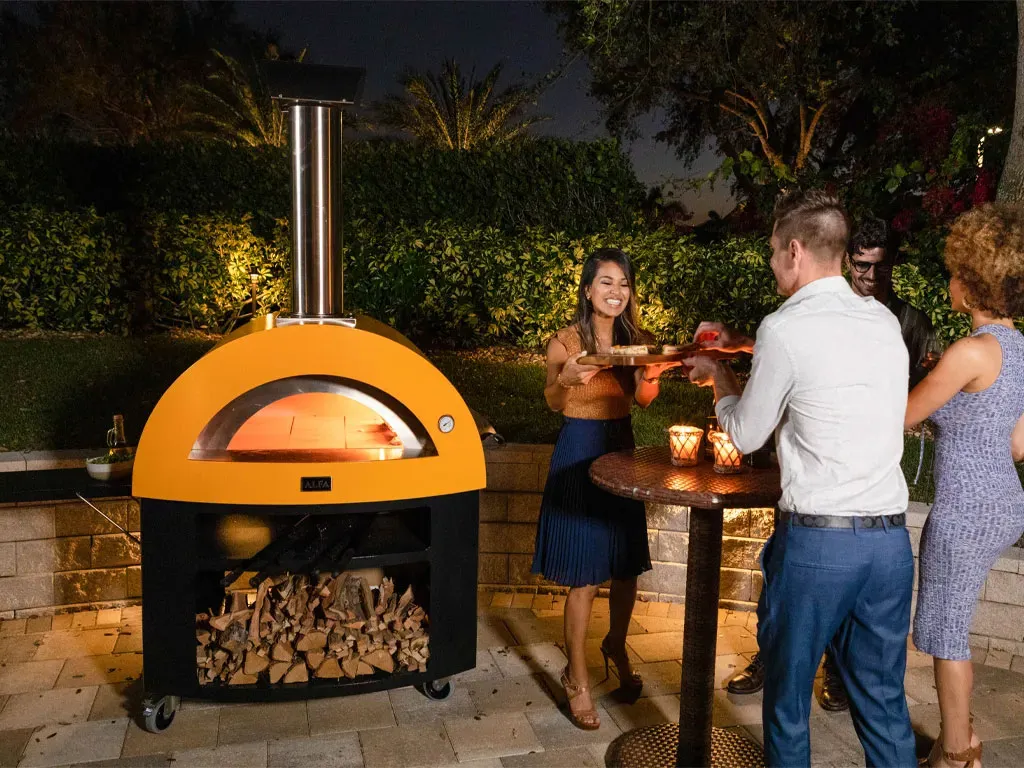
The Alfa Moderno series combines traditional Italian craftsmanship with modern materials and design. These ovens feature advanced refractory floors and patented heat circulation systems that ensure even cooking across the entire surface. Their sleek appearance aligns with modern architectural aesthetics.
This example illustrates how modern pizza ovens can maintain a connection to culinary heritage while incorporating contemporary engineering. They are particularly relevant in premium residential settings where performance and design are equally important.
Benefits of Modern Pizza Oven Technology
Enhanced Cooking Efficiency
Modern pizza ovens are designed to maximize energy efficiency through improved insulation and optimized heat flow. This efficiency reduces fuel consumption while delivering superior cooking performance. Users benefit from faster preheating and less wasted energy during operation.
In practical terms, enhanced efficiency means more frequent use without excessive energy costs. This makes modern pizza ovens suitable for everyday cooking rather than occasional novelty use.
Improved User Experience
User-focused design is a core benefit of modern pizza ovens. Features such as digital controls, clear temperature indicators, and ergonomic access points simplify operation. Even users with limited experience can achieve high-quality results with minimal trial and error.
This improved experience reduces the learning curve traditionally associated with high-temperature cooking. As a result, modern pizza ovens appeal to a broader audience, from hobby cooks to experienced chefs.
Practical Use Cases in Real Life
Home Cooking and Family Meals
Modern pizza ovens solve the problem of inconsistent home-baked pizza by providing stable, high temperatures that standard ovens cannot reach. Families can prepare restaurant-quality pizza at home, creating shared cooking experiences and reducing reliance on takeout.
These ovens also support batch cooking, allowing multiple pizzas to be prepared efficiently for gatherings or weekly meal planning. Their consistency ensures that every pizza meets the same quality standard.
Outdoor Entertainment and Social Events
For social settings, modern pizza ovens function as both a cooking tool and a focal point. They allow hosts to prepare fresh food in real time, enhancing the overall experience for guests. Rapid cooking times keep events flowing smoothly without long waits.
This use case highlights how modern pizza ovens address the challenge of serving hot, fresh food to groups while maintaining quality and presentation.
Small-Scale Food Operations
Modern pizza ovens are increasingly used in pop-up kitchens, food trucks, and small catering operations. Their compact size and efficient performance make them ideal for limited spaces where reliability is critical.
By providing consistent results with manageable setup requirements, these ovens help small operators deliver professional-quality food without large infrastructure investments.
Frequently Asked Questions
What makes modern pizza ovens different from traditional pizza ovens?
Modern pizza ovens use advanced materials, insulation, and temperature control systems that improve efficiency and consistency. Unlike traditional ovens, they often offer faster heat-up times, fuel flexibility, and user-friendly controls.
Can modern pizza ovens be used for foods other than pizza?
Yes, modern pizza ovens are highly versatile. They can be used to bake bread, roast vegetables, cook meats, and prepare a variety of high-temperature dishes that benefit from even heat distribution.
Are modern pizza ovens suitable for everyday use?
Modern pizza ovens are designed for frequent use due to their efficiency and ease of operation. Their consistent performance and reduced setup time make them practical for regular cooking, not just special occasions.