Outdoor Kitchen Design Ideas for Creating Functional, Stylish, and Long-Lasting Outdoor Cooking Spaces
Outdoor kitchen design ideas have evolved far beyond simple grills on a patio. Today, outdoor kitchens function as fully equipped culinary and entertainment spaces that extend indoor living into the outdoors. Homeowners are increasingly investing in well-planned outdoor kitchens to enhance their lifestyle, improve usability, and create gathering areas that blend comfort with nature.
A well-designed outdoor kitchen is not just about aesthetics. It requires thoughtful planning around layout, weather resistance, cooking efficiency, safety, and long-term durability. Understanding how design elements work together helps create an outdoor space that remains functional year-round while adding value to the property.
Understanding the Core Principles of Outdoor Kitchen Design
Purpose-Driven Outdoor Kitchen Planning
Every successful outdoor kitchen begins with a clear purpose. Some outdoor kitchens are built for casual family cooking, while others are designed for large-scale entertaining. Determining how the kitchen will be used influences layout decisions, appliance selection, and material choices.
A purpose-driven design ensures that essential components such as cooking zones, prep areas, and seating are positioned logically. This reduces unnecessary movement, improves workflow, and creates a more enjoyable cooking experience. Outdoor kitchens designed without a clear intent often become underutilized or uncomfortable to use.
Integrating the Kitchen with the Outdoor Environment
Outdoor kitchen design ideas must account for the surrounding environment. Factors such as sunlight exposure, wind direction, and proximity to the main house play a major role in functionality. Positioning cooking appliances away from strong winds improves safety and efficiency, while shaded areas increase comfort during hot weather.
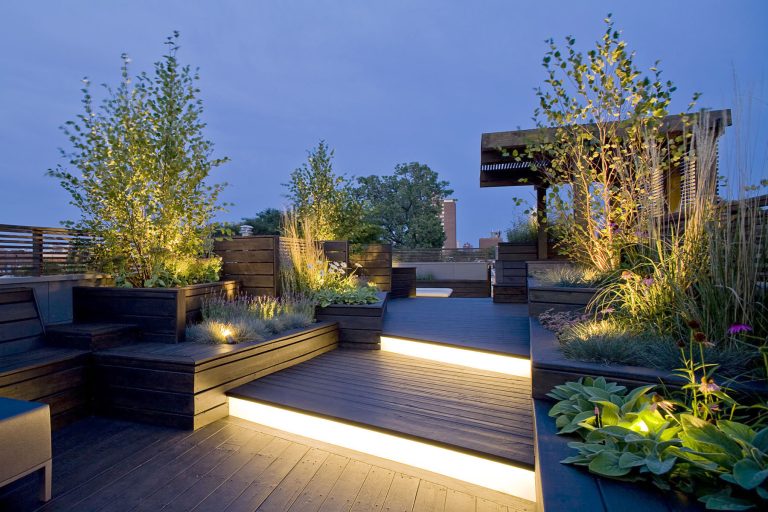
Integration with landscaping is equally important. Natural stone, wood accents, and greenery can soften the kitchen’s appearance and help it blend seamlessly with the outdoor setting. A kitchen that complements its surroundings feels intentional rather than added as an afterthought.
Layout Concepts That Maximize Efficiency and Comfort
Linear, L-Shaped, and U-Shaped Layouts
Layout selection is a fundamental aspect of outdoor kitchen design ideas. Linear layouts are ideal for compact spaces and focus on simplicity, placing appliances and counters along a single wall. This design works well for homeowners who prioritize efficiency over extensive features.
L-shaped and U-shaped layouts offer greater flexibility. These configurations provide dedicated zones for cooking, prep, and serving while maintaining clear pathways. They also allow for better interaction with guests, as the cook can remain engaged without turning away from social areas.
Zoning for Cooking, Preparation, and Social Interaction
Zoning improves usability by separating functions without isolating them. Cooking zones typically include grills, burners, and ovens, while preparation zones focus on counter space and sinks. Social zones incorporate seating, bars, or dining tables positioned at a safe distance from heat sources.
Clear zoning prevents overcrowding and enhances safety, especially during gatherings. It also helps maintain cleanliness by keeping food preparation separate from dining and lounging areas.
Material Selection for Durability and Visual Appeal
Weather-Resistant Surfaces and Structures
Outdoor kitchens are constantly exposed to weather, making material selection critical. Stainless steel appliances, stone countertops, and sealed masonry structures withstand heat, moisture, and UV exposure. These materials maintain performance while reducing maintenance requirements.
Using weather-resistant finishes also ensures longevity. Proper sealing and surface treatments protect materials from cracking, fading, and corrosion, helping the kitchen retain its original appearance over time.
Balancing Texture, Color, and Natural Elements
Design aesthetics play an important role in outdoor kitchen design ideas. Mixing textures such as stone, concrete, and wood creates visual depth. Neutral color palettes tend to age better and integrate smoothly with outdoor landscapes.
Natural elements like wood beams or stone veneers add warmth, making the kitchen feel inviting rather than industrial. This balance between durability and design elevates the overall experience.
The Role of Technology in Modern Outdoor Kitchens
Smart Cooking and Temperature Control Systems
Modern outdoor kitchens increasingly incorporate technology to enhance convenience and precision. Smart grills and temperature monitoring systems allow users to control cooking remotely, ensuring consistent results without constant supervision.
These technologies reduce the risk of overcooking and improve efficiency, particularly during long cooking sessions. For homeowners who enjoy hosting, smart cooking tools help manage multiple dishes simultaneously.
Integrated Lighting and Energy Efficiency
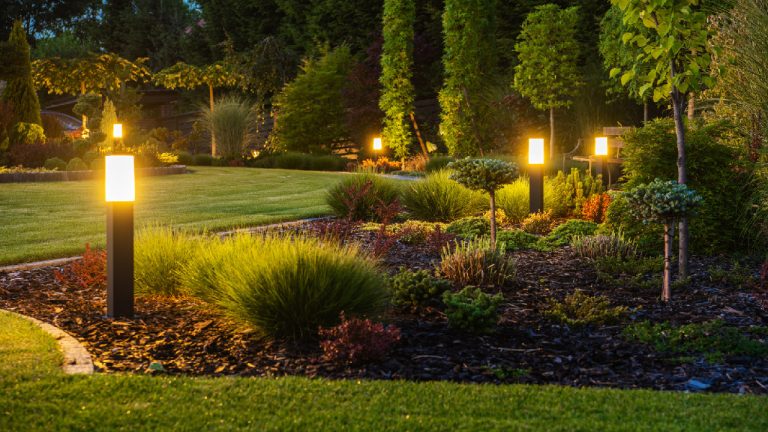
Lighting technology improves usability after sunset. LED task lighting enhances visibility for food preparation, while ambient lighting creates a welcoming atmosphere. Energy-efficient lighting systems reduce power consumption while maintaining brightness and durability.
Automation features such as motion sensors and programmable lighting schedules add convenience and safety, making the outdoor kitchen accessible at any time.
Real-World Outdoor Kitchen Design Examples and Use Cases
Built-In Stainless Steel Grill Stations
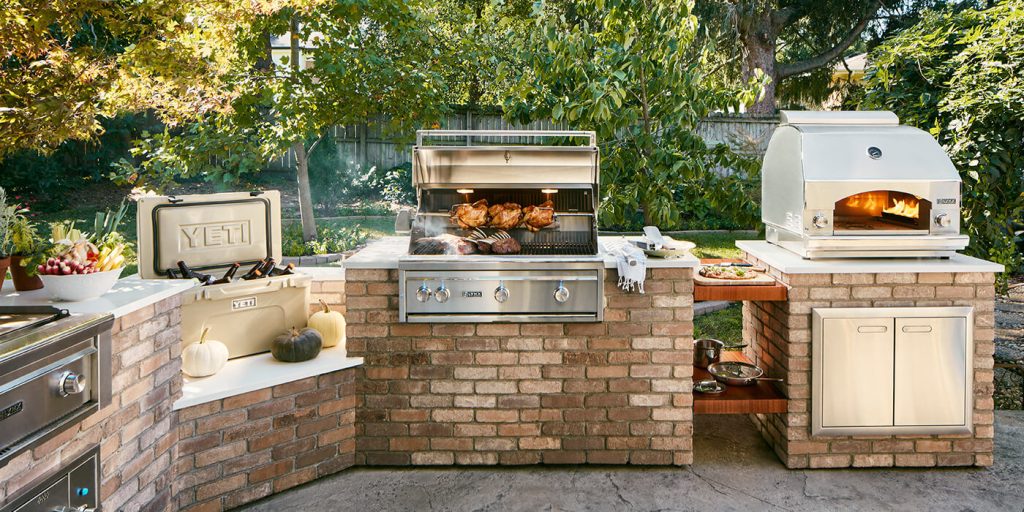
Built-in stainless steel grill stations are among the most popular outdoor kitchen features. These units are designed to withstand high temperatures and moisture while offering precise heat control. Their integration into masonry or stone structures creates a seamless look.
These grill stations are relevant because they combine performance with durability. They suit homeowners who frequently cook outdoors and need reliable equipment that requires minimal maintenance.
Stone Countertop Preparation Areas
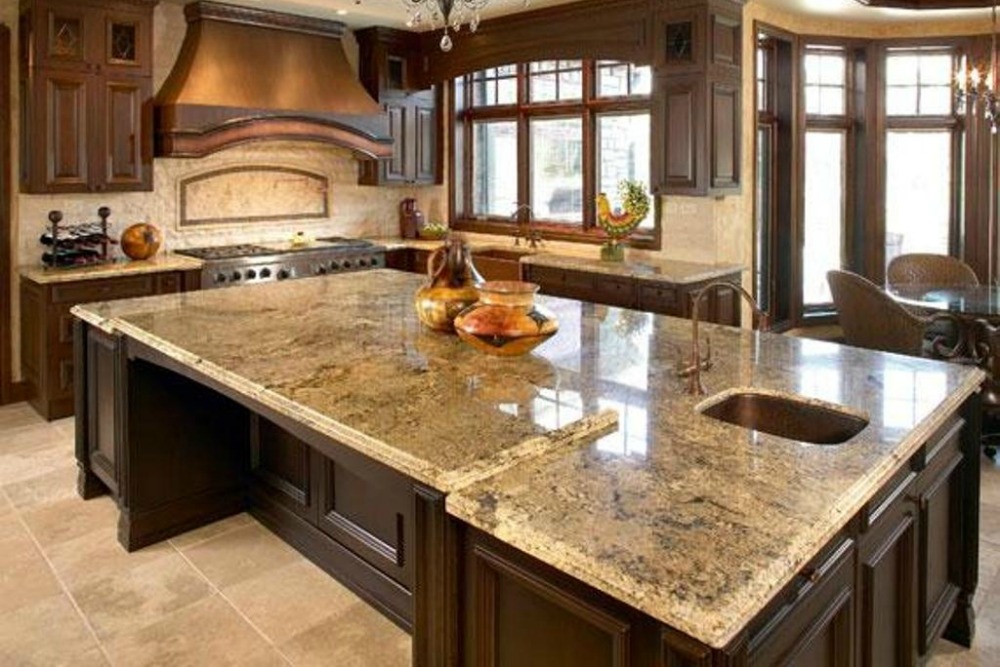
Stone countertops, such as granite or concrete, provide ample preparation space and resist heat and stains. Their solid construction supports heavy appliances and offers long-term stability.
These surfaces are practical for outdoor environments because they handle temperature fluctuations without warping. They also enhance visual appeal, making the kitchen feel like a true extension of indoor living spaces.
Outdoor Pizza Ovens for Versatile Cooking
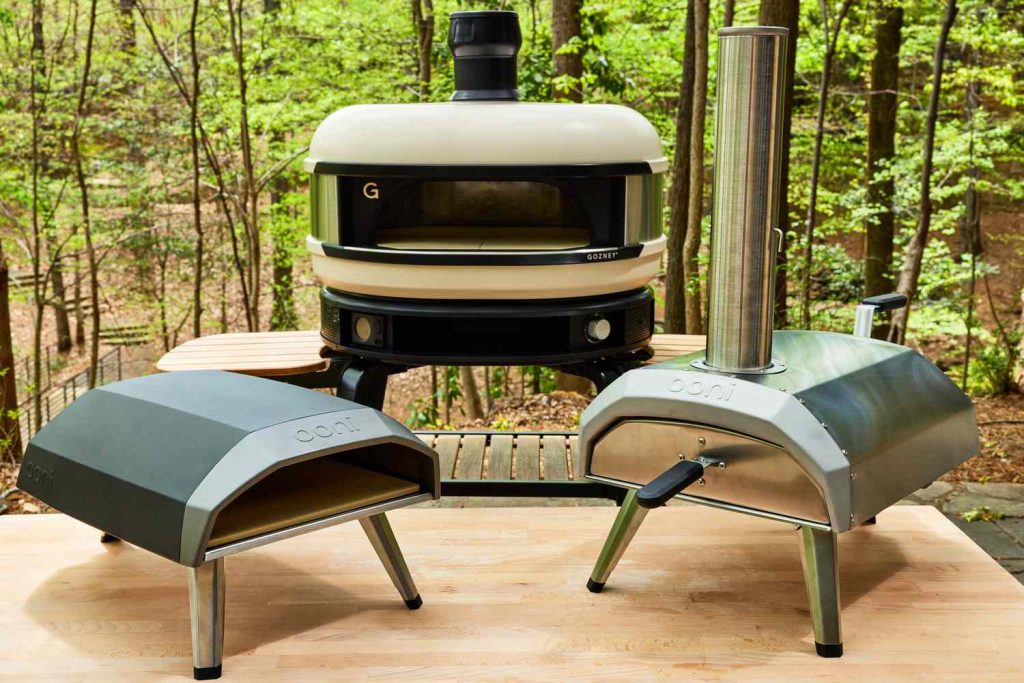
Outdoor pizza ovens expand cooking possibilities beyond grilling. These ovens maintain high temperatures ideal for pizzas, bread, and roasted dishes. Their presence transforms the kitchen into a multifunctional cooking space.
Pizza ovens are relevant for families and entertainers who enjoy interactive cooking experiences. They encourage social interaction and diversify meal options without requiring indoor kitchen access.
Weather-Protected Pergola Kitchen Structures
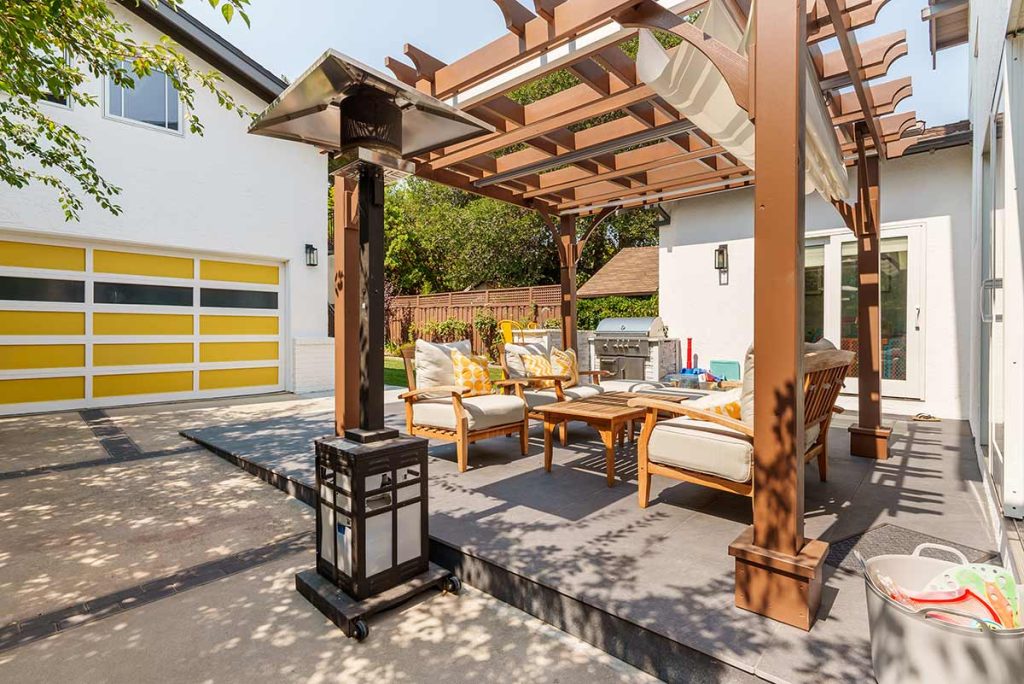
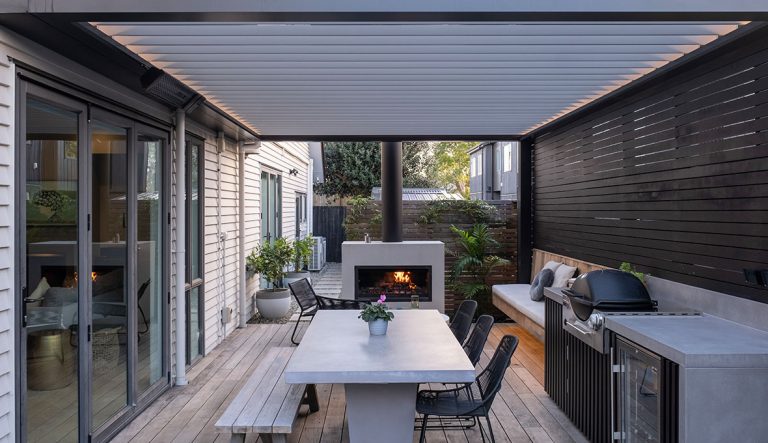
Pergolas and covered structures protect outdoor kitchens from the sun and rain. These structures improve usability across seasons while adding architectural interest.
Their relevance lies in comfort and longevity. By shielding appliances and workspaces, pergolas reduce wear and create a more inviting environment for extended use.
Practical Benefits of Well-Designed Outdoor Kitchens
Enhanced Lifestyle and Social Engagement
Outdoor kitchens create opportunities for social connection. Cooking outdoors encourages interaction, allowing hosts to engage with guests rather than remain isolated indoors.
This benefit is particularly valuable for families and frequent entertainers. The outdoor setting fosters relaxed conversations and shared experiences.
Improved Home Functionality and Space Utilization
Outdoor kitchens reduce pressure on indoor kitchens during gatherings. They distribute cooking tasks and keep heat and odors outside, improving indoor comfort.
This functional advantage makes outdoor kitchens useful in everyday life, not just during special occasions.
Real-Life Problems Solved by Outdoor Kitchen Design Ideas
Managing Indoor Heat and Cooking Congestion
Outdoor kitchens help solve the problem of indoor heat buildup during cooking. By moving heat-generating appliances outside, homeowners maintain a cooler indoor environment.
This solution is especially beneficial in warmer climates where indoor cooking can be uncomfortable.
Creating Multi-Use Outdoor Living Spaces
Outdoor kitchen design ideas transform underused yards into functional living areas. By combining cooking, dining, and lounging, homeowners maximize outdoor space.
This versatility increases property usability and enhances daily living experiences.
Frequently Asked Questions
What is the most important factor in outdoor kitchen design?
The most important factor is functionality. A well-designed outdoor kitchen prioritizes workflow, safety, and comfort while considering environmental conditions and intended use.
Can outdoor kitchens be used year-round?
Yes, with proper materials, weather protection, and heating options, outdoor kitchens can remain functional throughout the year in many climates.
Do outdoor kitchens add long-term value to a home?
Outdoor kitchens often increase property appeal and usability. While value depends on design quality and location, a well-planned outdoor kitchen is generally seen as a desirable feature.