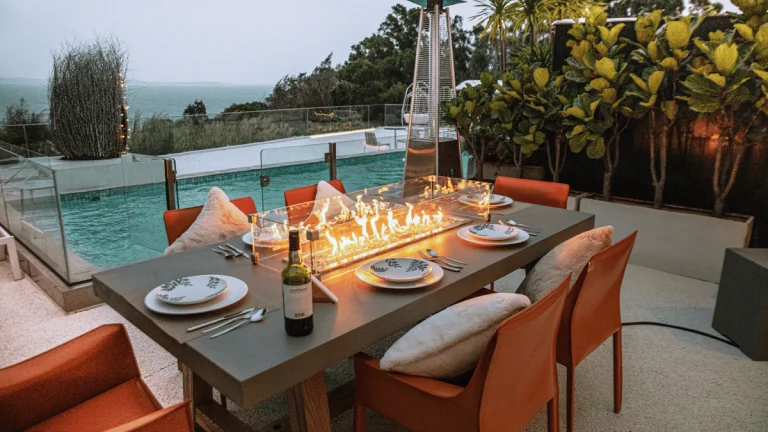
Patio and Deck Entertainment Tips for Creating Memorable Outdoor Gatherings
Entertaining outdoors has become a central part of modern home living, with patios and decks evolving into fully functional extensions of interior spaces. Whether hosting casual family get-togethers or larger social events, a well-designed patio or deck can dramatically enhance comfort, ambiance, and usability. Patio and deck entertainment ideas are no longer limited to simple seating and a grill; they now include lighting strategies, zoning layouts, smart technology, and thoughtful design choices that support effortless hosting.
This guide explores in-depth patio and deck entertainment tips that focus on functionality, guest comfort, and real-life usability. From layout planning to technology integration, these insights help transform outdoor spaces into versatile entertainment hubs suitable for a wide range of occasions.
Understanding the Role of Entertainment-Focused Outdoor Spaces
Why patios and decks are ideal for entertaining
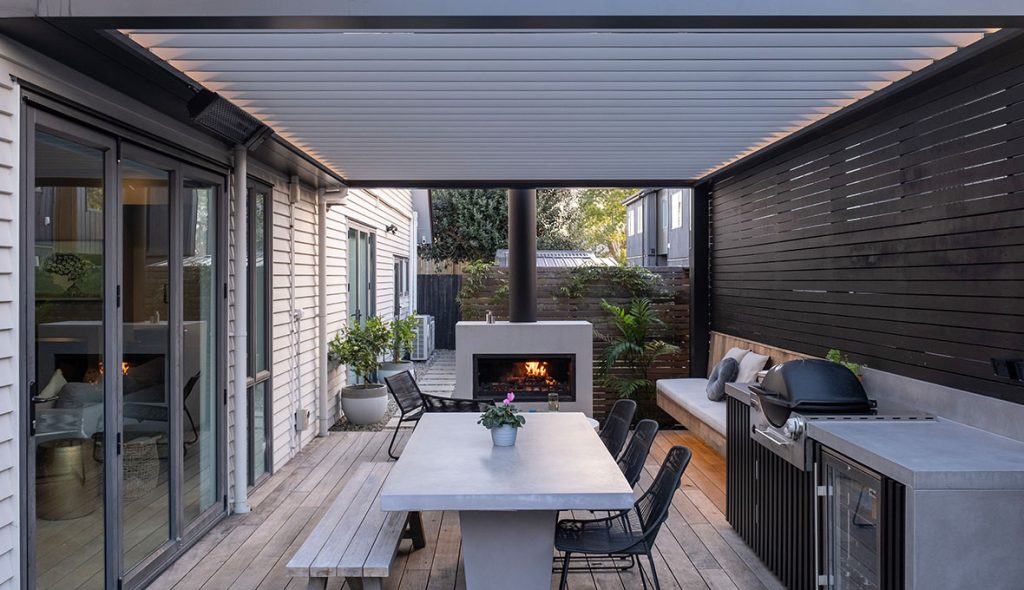
Patios and decks provide flexible environments that can adapt to different group sizes and activities. Unlike indoor spaces, outdoor areas allow guests to move freely, engage in multiple conversations, and enjoy fresh air without feeling confined. This natural openness reduces crowding and encourages a more relaxed social atmosphere.
Another advantage of patio and deck entertainment spaces is their adaptability. With thoughtful planning, the same space can accommodate dining, lounging, games, and even media viewing. This flexibility makes patios and decks especially valuable for hosts who want to entertain frequently without constant rearrangement.
How outdoor entertaining expectations have changed
Modern homeowners increasingly expect outdoor spaces to mirror indoor comfort. Guests now anticipate features such as weather protection, comfortable seating, ambient lighting, and easy access to food and beverages. As a result, patio and deck entertainment tips emphasize creating complete experiences rather than temporary setups.
The rise of hybrid indoor-outdoor living has also influenced entertainment design. Patios and decks are often visually connected to interior living spaces, making design consistency and seamless flow essential for successful hosting.
Planning a Functional Entertainment Layout
Creating activity zones for better flow
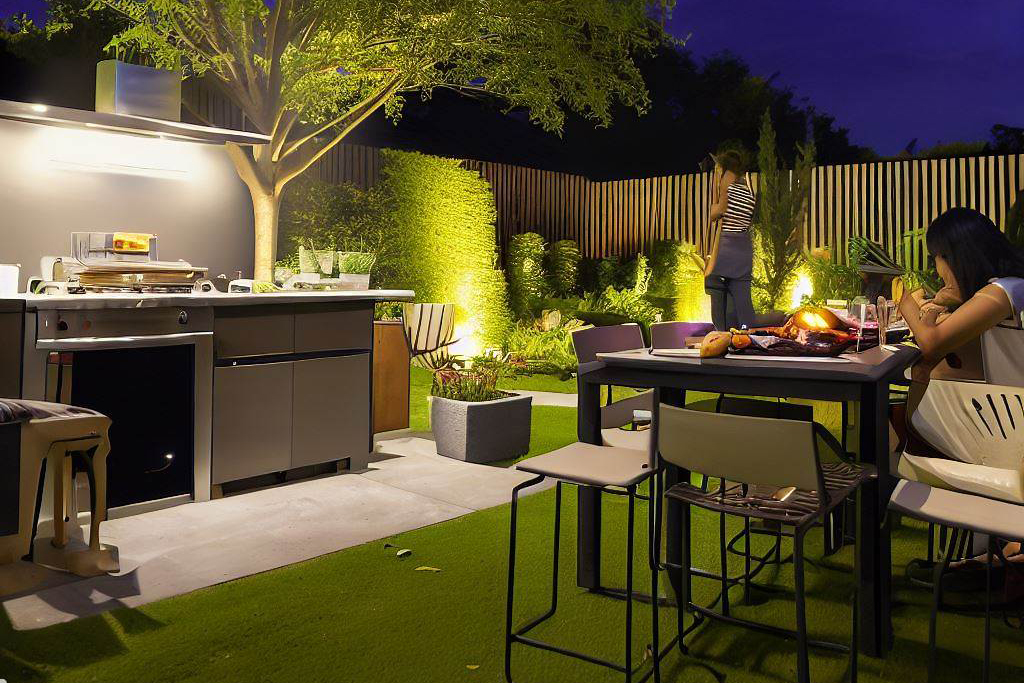
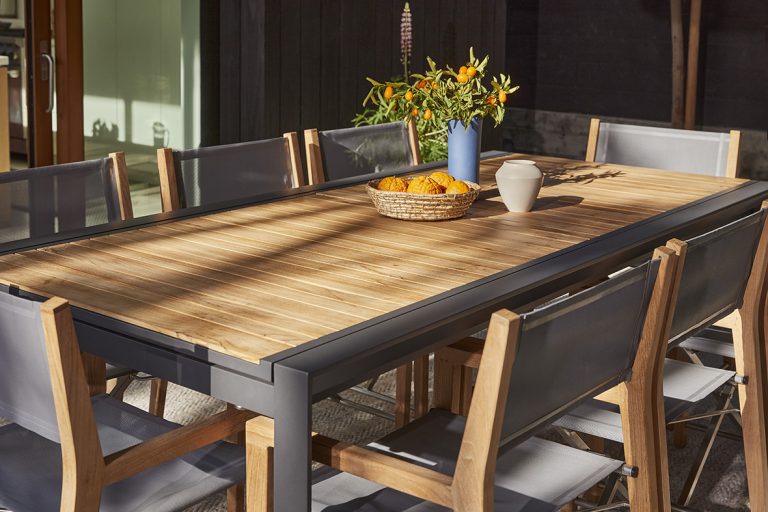
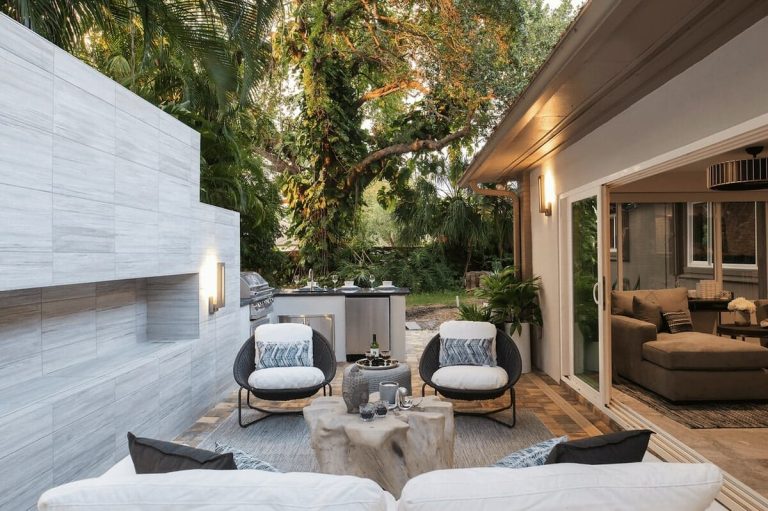
One of the most effective patio and deck entertainment ideas is dividing the space into distinct zones. Zoning improves traffic flow and allows multiple activities to happen simultaneously without disruption. Common zones include dining areas, lounge seating, cooking or serving stations, and open space for movement.
When guests know intuitively where to gather, eat, or relax, the experience feels effortless. Proper zoning also prevents bottlenecks near entrances or food areas, which can otherwise cause discomfort during larger gatherings.
Balancing seating capacity with comfort
Overcrowding is a common challenge in outdoor entertaining. While it may be tempting to maximize seating, comfort should take priority. Modular furniture, benches, and movable chairs offer flexibility without making the space feel cluttered.
Comfort-focused patio and deck entertainment tips suggest providing a mix of seating types. Combining dining chairs, lounge seating, and casual stools accommodates different guest preferences and encourages longer, more enjoyable gatherings.
Lighting Strategies for Evening Entertainment
Layered lighting for ambiance and safety
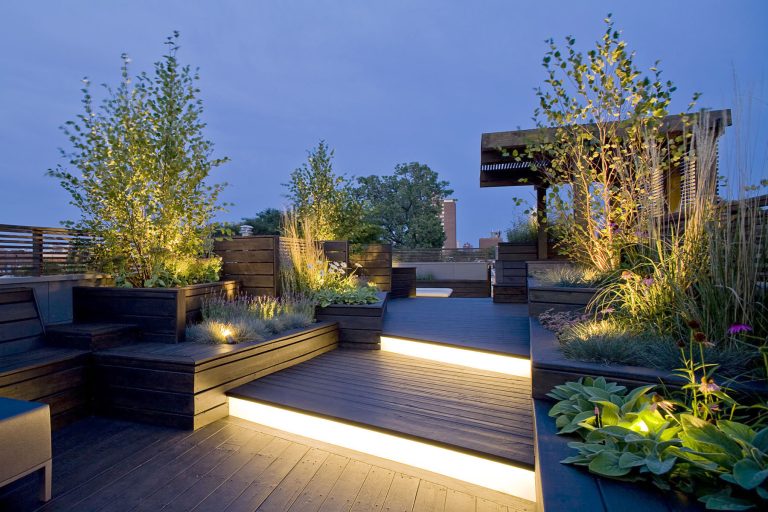
Lighting plays a critical role in patio and deck entertainment, particularly for evening events. Layered lighting combines ambient, task, and accent lighting to create both visual appeal and functional illumination. Ambient lighting sets the mood, while task lighting ensures food and pathways remain visible.
Soft, warm lighting enhances social interaction by creating an inviting atmosphere. Guests are more likely to linger and relax when lighting feels intentional rather than harsh or uneven.
Using lighting to define spaces
Strategic lighting placement can visually separate entertainment zones without physical barriers. String lights over dining areas, pathway lights along walkways, and accent lighting near seating help guests navigate the space naturally.
Well-planned lighting is one of the most impactful patio and deck entertainment ideas because it enhances usability without altering the physical layout.
Integrating Weather-Ready Design Features
Preparing for sun, wind, and temperature changes

Outdoor entertainment depends heavily on weather conditions, making climate adaptability essential. Shade structures such as pergolas or retractable covers protect guests from intense sunlight while extending usability during light rain.
For cooler evenings, integrated heating elements or fire features help maintain comfort. These additions ensure gatherings can continue regardless of minor weather shifts, increasing the overall reliability of the entertainment space.
Selecting durable and comfortable materials
Entertainment-focused patios and decks benefit from materials that withstand frequent use. Weather-resistant furniture, non-slip surfaces, and easy-to-clean finishes reduce maintenance while improving safety.
Durable materials allow hosts to focus on guests rather than constant upkeep, making outdoor entertaining more enjoyable and stress-free.
Using Technology to Enhance Outdoor Entertainment
Smart audio solutions for outdoor gatherings
High-quality audio is a key component of successful patio and deck entertainment. Outdoor-rated speaker systems provide consistent sound coverage without overpowering conversation. Modern systems allow volume control by zone, ensuring music complements rather than dominates the event.
Technology-enhanced entertainment tips emphasize subtle integration. Speakers should blend into the environment while delivering clear audio across the space.
Lighting and climate control automation
Smart lighting systems allow hosts to adjust brightness and color temperature effortlessly as daylight fades. Automated schedules and mobile control improve convenience, especially during longer events.
Climate control technology, such as smart heaters or fans, further enhances guest comfort. These systems help maintain ideal conditions without constant manual adjustments.
Real-World Patio and Deck Entertainment Examples
Insert image of the product
Outdoor modular seating systems
Modular outdoor seating systems are designed to adapt to different entertainment needs. These systems allow hosts to rearrange seating based on guest count or activity type. Sections can be configured for intimate conversations or expanded for larger gatherings.
Their relevance lies in flexibility. Instead of purchasing multiple furniture sets, a modular system evolves with each event, making it a practical solution for dynamic entertainment spaces.
Insert image of the product.
Built-in outdoor kitchen islands
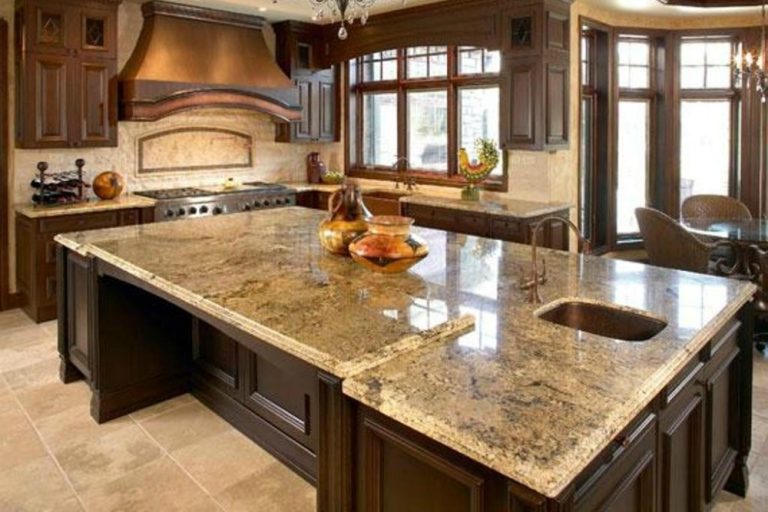
Outdoor kitchen islands enhance entertainment by centralizing food preparation and serving. Guests can interact with the host while meals are prepared, reducing isolation and improving engagement.
These setups often include prep surfaces, storage, and serving areas that streamline hosting. Their integration into patios or decks transforms cooking into a social experience rather than a separate task.
Insert image of the product.t
Weather-resistant outdoor media screens
Outdoor-rated screens make it possible to host movie nights, sports viewings, or presentations. Designed to handle sunlight and moisture, these screens expand entertainment possibilities beyond traditional gatherings.
Their relevance lies in versatility. Media integration supports diverse event types, from casual family evenings to larger group celebrations.
Insert image of the product.ct
Smart outdoor lighting systems
Smart lighting systems offer programmable scenes that match different entertainment moods. Hosts can switch from bright dining illumination to relaxed evening ambiance with minimal effort.
These systems enhance convenience and consistency, ensuring the space always feels intentional regardless of the event’s duration or time of day.
Practical Benefits of Well-Planned Patio and Deck Entertainment
Improving hosting efficiency
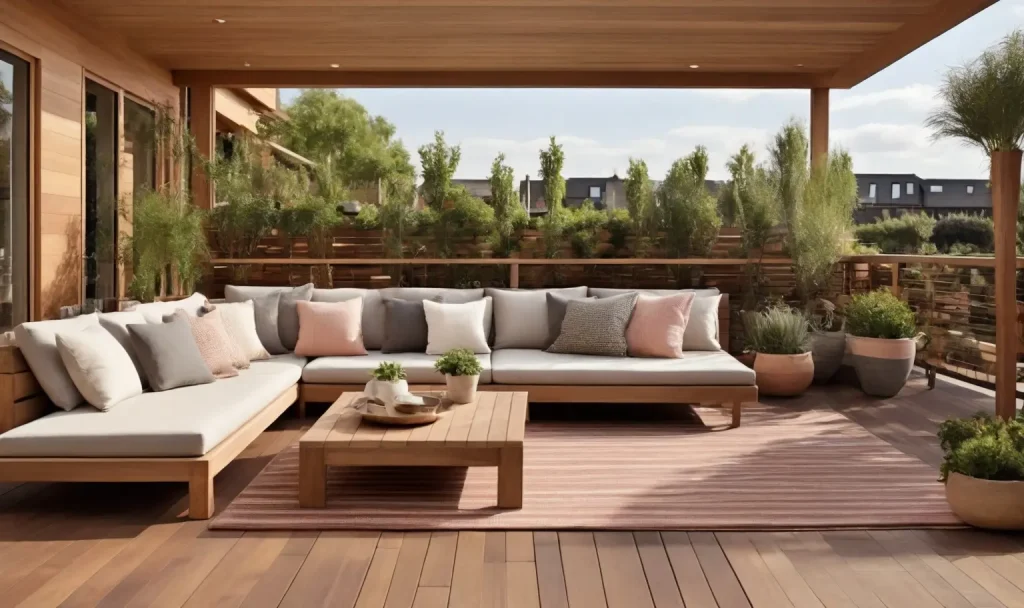
Thoughtful patio and deck entertainment design reduces the physical and mental effort required to host events. When seating, lighting, and food service areas are logically arranged, hosts spend less time managing logistics and more time engaging with guests.
Efficiency-focused designs also minimize interruptions, allowing gatherings to flow naturally without constant adjustments.
Enhancing guest comfort and engagement
Comfortable environments encourage guests to stay longer and interact more freely. Adequate seating, proper lighting, and climate adaptability all contribute to positive guest experiences.
When guests feel relaxed, conversations flow more easily, making events feel more meaningful and memorable.
Real-Life Use Cases and Problem Solving
Managing limited outdoor space
Patio and deck entertainment tips are especially valuable for smaller spaces. Zoning, modular furniture, and vertical lighting solutions help maximize usability without overcrowding.
These strategies solve common challenges such as restricted movement or limited seating while maintaining an open, welcoming atmosphere.
Hosting diverse types of gatherings
From family dinners to social celebrations, outdoor entertainment spaces must adapt to different needs. Flexible layouts and technology integration allow quick transitions between event types.
This adaptability makes patios and decks useful year-round, increasing the overall value of the space.
Long-Term Value of Entertainment-Focused Outdoor Design
Supporting frequent social interaction
Well-designed patios and decks encourage regular use, turning outdoor entertaining into a lifestyle rather than an occasional activity. This consistent engagement strengthens social connections and enhances overall well-being.
Spaces that support easy hosting become natural gathering points, benefiting both homeowners and guests.
Increasing functional living space
Entertainment-ready patios and decks effectively expand usable living area. This extension reduces indoor crowding during events and improves overall home functionality.
By supporting multiple activities, these spaces serve as valuable assets that adapt to changing needs over time.
Frequently Asked Questions
What makes a patio or deck ideal for entertaining?
An ideal entertainment space balances comfort, functionality, and flexibility. Proper seating, lighting, and layout planning allow guests to move easily and engage naturally, creating a relaxed and enjoyable environment.
How can outdoor entertainment spaces remain useful year-round?
Weather-ready features such as shade structures, heating elements, and durable materials extend usability across seasons. Technology integration further improves adaptability by allowing quick environmental adjustments.
Why is zoning important in patio and deck entertainment design?
Zoning organizes activities into logical areas, preventing congestion and confusion. It improves flow, supports multiple activities simultaneously, and enhances overall guest experience.