Roof Terrace Design Inspiration: Transforming Rooftops into Functional Living Spaces
Roof terrace design inspiration has become increasingly important as urban living evolves and outdoor space becomes more valuable. Rooftops are no longer treated as unused structural elements; instead, they are transformed into multifunctional environments that blend comfort, aesthetics, and practicality. A well-designed roof terrace can extend living space, improve lifestyle quality, and create a strong connection between architecture and the outdoors.
Modern roof terraces are shaped by thoughtful planning, climate considerations, and user behavior. From small city rooftops to expansive residential terraces, design inspiration comes from combining layout efficiency, durable materials, greenery, and smart technology. Understanding the principles behind successful roof terrace design helps homeowners, architects, and designers create spaces that are both visually appealing and highly usable.
Understanding the Purpose of a Roof Terrace
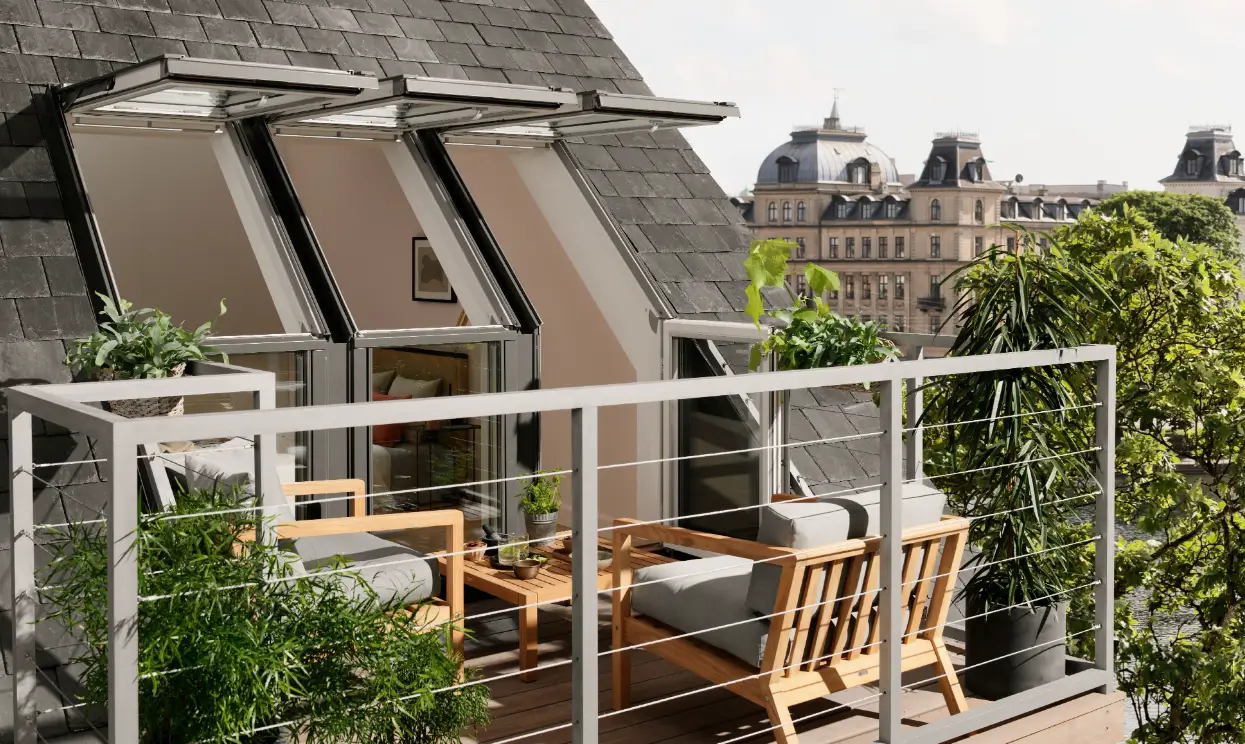
A roof terrace should be designed with a clear purpose in mind, as its function influences layout, material selection, and overall atmosphere. Some roof terraces are intended for relaxation, offering quiet seating areas and natural elements, while others are designed for social gatherings, dining, or entertainment. Clarifying the main purpose helps ensure the space supports real-life usage rather than becoming purely decorative.
Beyond leisure, roof terraces can serve as transitional spaces between indoor and outdoor living. They can act as private retreats in dense urban environments or as communal spaces in multi-unit buildings. When design inspiration aligns with user needs, roof terraces become practical extensions of the home rather than occasional-use areas.
Key Elements That Define Successful Roof Terrace Design
Layout Planning and Zoning
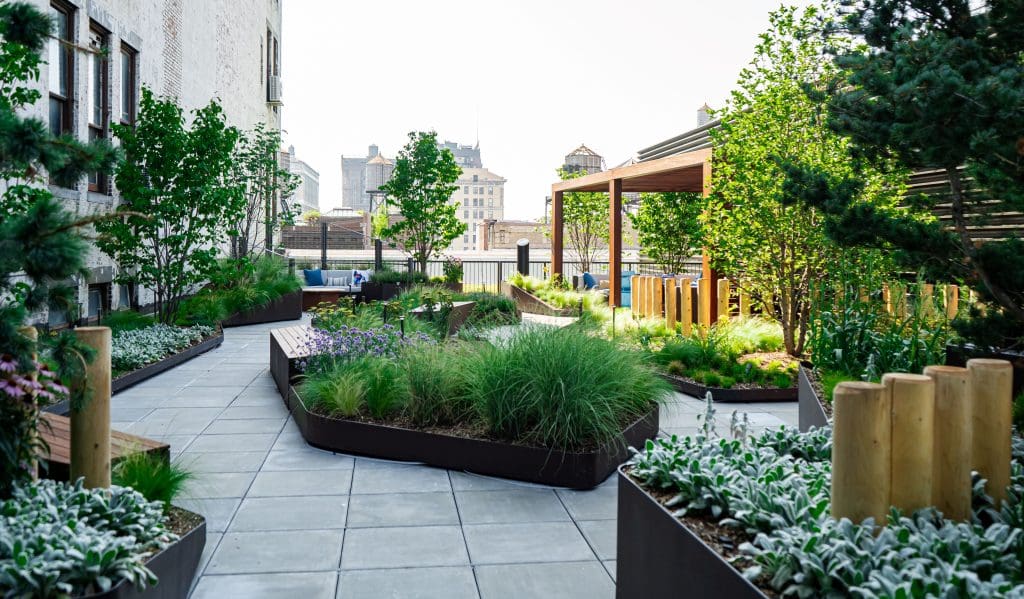
Effective roof terrace design inspiration starts with intelligent layout planning. Dividing the terrace into functional zones—such as seating, dining, greenery, and circulation paths—helps the space feel organized and comfortable. Even small rooftops benefit from zoning, as it prevents overcrowding and improves usability.
Zoning also supports flexibility. A well-planned layout allows the terrace to adapt to different activities throughout the day, from morning relaxation to evening gatherings. Clear pathways ensure safety and accessibility, especially in areas where furniture and planters are placed close together.
Material Selection for Durability and Comfort
Materials play a critical role in roof terrace performance. Because rooftops are exposed to sun, rain, wind, and temperature changes, materials must be weather-resistant and structurally suitable. Popular design inspiration often features composite decking, porcelain pavers, treated hardwood, or concrete finishes designed for outdoor exposure.
Comfort is just as important as durability. Flooring should remain safe underfoot, seating materials should resist heat buildup, and finishes should complement the surrounding architecture. Thoughtful material selection ensures the roof terrace remains attractive and functional over time.
Greenery and Natural Elements in Roof Terrace Design
Integrating Plants and Landscaping
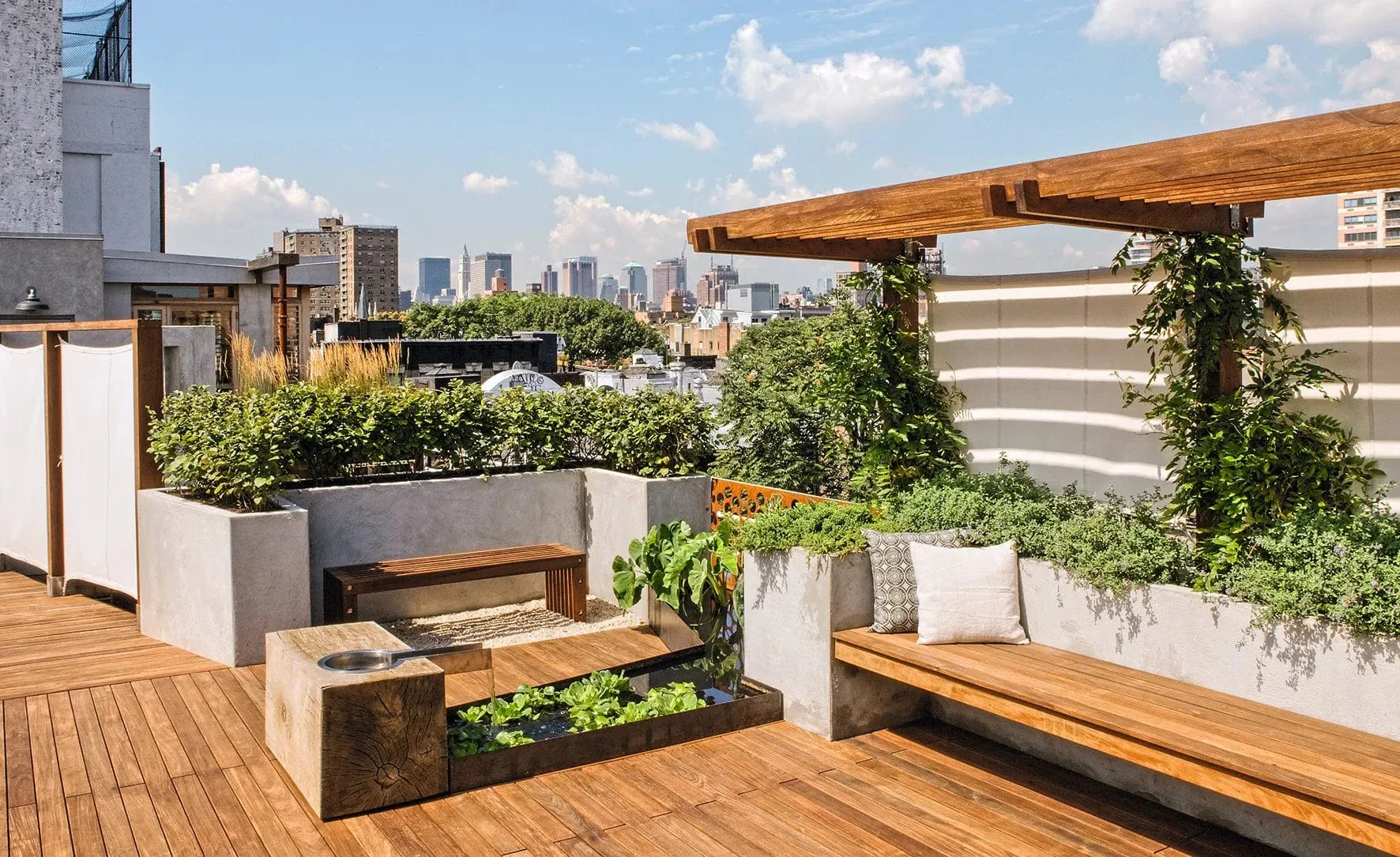
Plants are central to roof terrace design inspiration because they soften architectural lines and create a calming atmosphere. Greenery can be introduced through planters, vertical gardens, raised beds, or container trees. The choice of plants should consider sunlight exposure, wind conditions, and maintenance requirements.
Landscaping also improves environmental performance. Plants can reduce heat absorption, improve air quality, and create microclimates that make rooftop spaces more comfortable. When integrated thoughtfully, greenery enhances both visual appeal and practical comfort.
Balancing Nature with Structure
Successful roof terrace designs strike a balance between natural elements and built features. Too much greenery without structure can feel cluttered, while overly rigid layouts may appear sterile. Design inspiration often blends plants with pergolas, screens, or low walls to create visual rhythm and spatial definition.
This balance helps the terrace feel cohesive and intentional. Structural elements provide shade, privacy, and wind protection, while plants introduce softness and organic movement.
Lighting and Ambience on Roof Terraces
Functional and Atmospheric Lighting
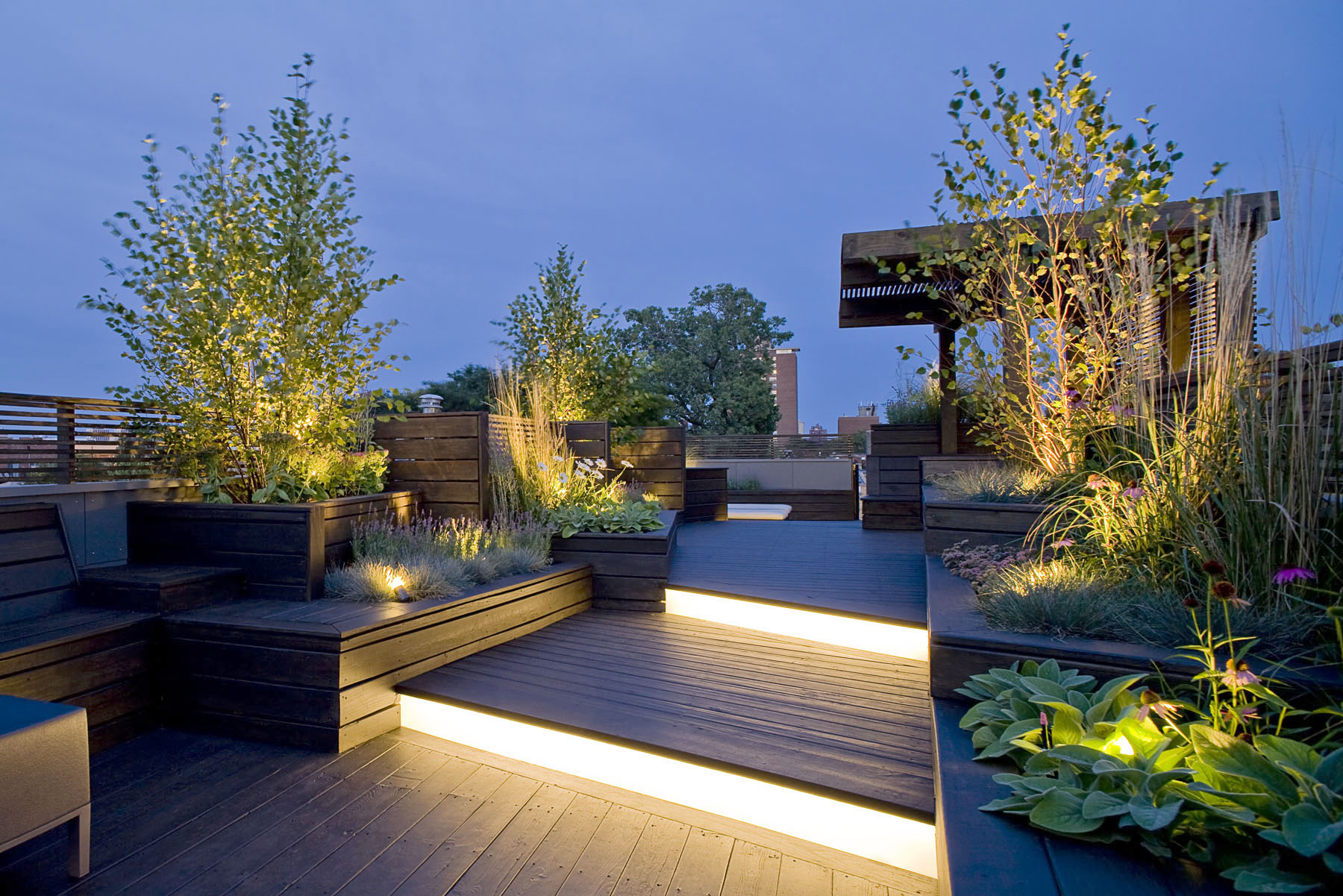
Lighting is essential for extending the usability of a roof terrace into the evening. Design inspiration emphasizes layered lighting, combining functional illumination with ambient effects. Path lights improve safety, while wall-mounted fixtures and recessed lighting enhance architectural features.
Ambient lighting, such as soft LED strips or lantern-style fixtures, creates warmth and encourages relaxation. Well-planned lighting transforms a roof terrace from a daytime-only area into a versatile space for evening use.
Creating Mood Through Light Placement
The placement of lighting influences how the terrace feels. Highlighting plants, seating areas, or textured surfaces adds depth and visual interest. Avoiding harsh overhead lighting helps maintain a comfortable atmosphere and reduces glare.
Thoughtful lighting design also supports privacy. Directional lighting can prevent light spill into neighboring buildings while still illuminating key areas of the terrace.
Benefits of Using Technology in Roof Terrace Design
Smart Lighting and Automation
Technology enhances roof terrace functionality by simplifying control and improving efficiency. Smart lighting systems allow users to adjust brightness, color temperature, and schedules through mobile devices. This flexibility supports different moods and activities without requiring manual adjustments.
Automation also improves energy efficiency. Timers and sensors ensure lighting is used only when needed, reducing energy consumption and maintenance requirements. Technology-driven solutions align with modern design inspiration focused on convenience and sustainability.
Climate and Comfort Technologies
Roof terraces can benefit from technology that improves comfort in varying weather conditions. Motorized awnings, retractable pergolas, and automated shading systems help regulate sun exposure. Integrated heating solutions extend usability during cooler months without compromising design aesthetics.
These technologies address common rooftop challenges such as heat, wind, and temperature fluctuations. By incorporating smart systems, roof terraces become more adaptable and comfortable year-round.
Real-World Roof Terrace Design Examples
Modern Urban Lounge Terrace
Insert image of the product
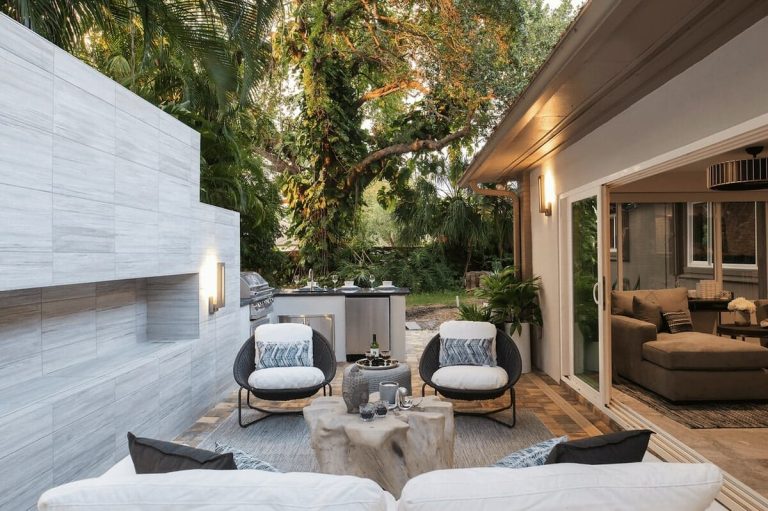
A modern urban lounge terrace typically features clean lines, neutral colors, and modular furniture. This design inspiration focuses on maximizing comfort in a limited space while maintaining a contemporary aesthetic. Low-profile seating and built-in benches help preserve open sightlines.
The relevance of this design lies in its adaptability. Urban dwellers often have smaller rooftops, and lounge-style terraces provide relaxation without overcrowding. Integrated lighting and planters enhance the atmosphere while maintaining functionality.
Rooftop Garden Retreat
Insert image of the product.
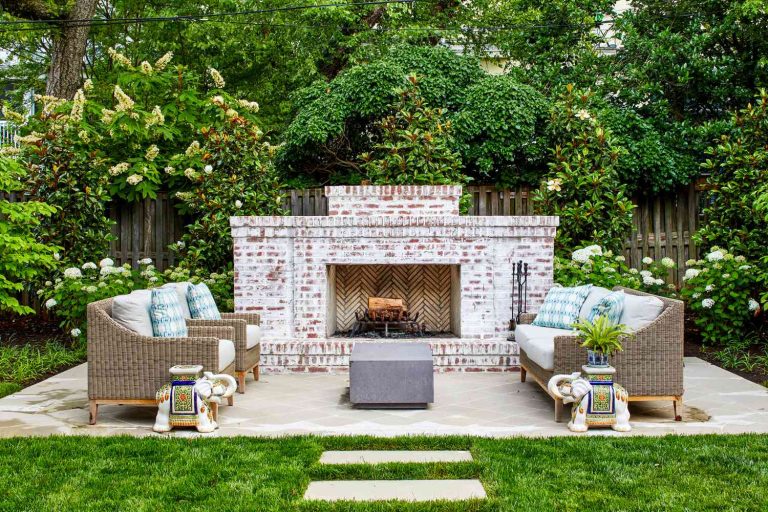
A rooftop garden retreat prioritizes greenery and natural textures. This design often includes raised planters, small trees, and natural stone or wood finishes. The goal is to create a peaceful environment that contrasts with the surrounding urban density.
This example demonstrates how roof terrace design inspiration can improve well-being. Garden terraces offer stress relief, promote biodiversity, and create a connection to nature, making them valuable in high-density living environments.
Outdoor Dining and Entertainment Terrace
Insert image of the product.
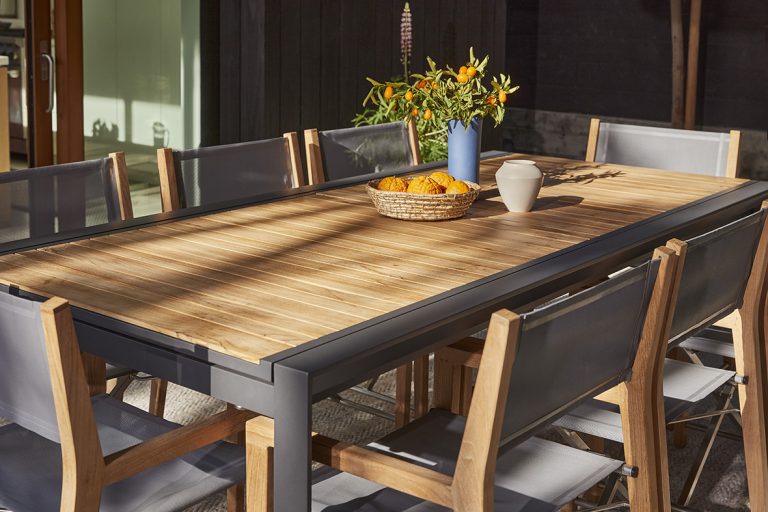
An outdoor dining-focused roof terrace is designed around a central table or seating arrangement. Durable flooring, wind protection, and task lighting support dining activities. Storage solutions may be integrated to keep the space organized.
The relevance of this design lies in social functionality. Roof terraces designed for dining encourage gatherings and shared experiences, turning rooftops into active social hubs rather than passive spaces.
Minimalist Private Retreat
Insert image of the product.t
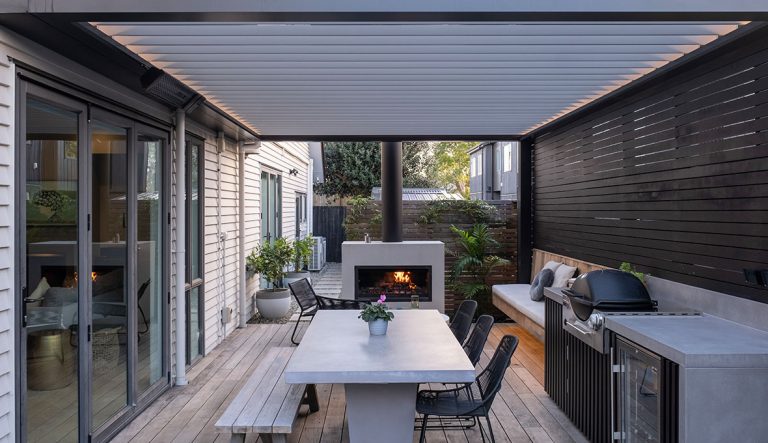
A minimalist roof terrace emphasizes simplicity and privacy. Limited furniture, neutral tones, and subtle textures create a calm environment. Screens or walls are often used to block unwanted views and enhance seclusion.
This design inspiration suits users seeking quiet outdoor space. By reducing visual clutter, minimalist terraces promote relaxation and mindfulness, making them ideal for personal retreats.
Practical Benefits of Roof Terrace Design
Roof terrace design inspiration offers practical advantages beyond aesthetics. Rooftop spaces increase usable square footage without expanding building footprints. This is particularly valuable in urban settings where ground-level outdoor space is limited.
Additionally, roof terraces can improve property value and user satisfaction. A well-designed terrace enhances lifestyle quality, encourages outdoor activity, and supports flexible use throughout the year.
Real-Life Use Cases and Problem Solving
Roof terraces solve the problem of limited outdoor space in dense environments. They provide areas for relaxation, social interaction, and personal retreat without requiring additional land. This makes them especially useful in cities where private gardens are rare.
They also address environmental challenges. Green roof terraces help reduce heat absorption, manage rainwater, and improve insulation. By combining thoughtful design with technology and greenery, roof terraces offer practical solutions to modern living constraints.
Frequently Asked Questions
What is the main goal of roof terrace design inspiration?
The main goal is to create functional, comfortable, and visually appealing outdoor spaces that extend usable living areas. Design inspiration focuses on balancing aesthetics, durability, and real-life usability.
How do you make a roof terrace comfortable year-round?
Comfort is achieved through proper material selection, shading solutions, wind protection, and lighting. Incorporating technology such as smart lighting and retractable covers also improves adaptability to changing weather.
Why is greenery important in roof terrace design?
Greenery enhances visual appeal, improves air quality, and creates a calming atmosphere. Plants also help regulate temperature and contribute to environmental sustainability, making them a key element in roof terrace design inspiration.