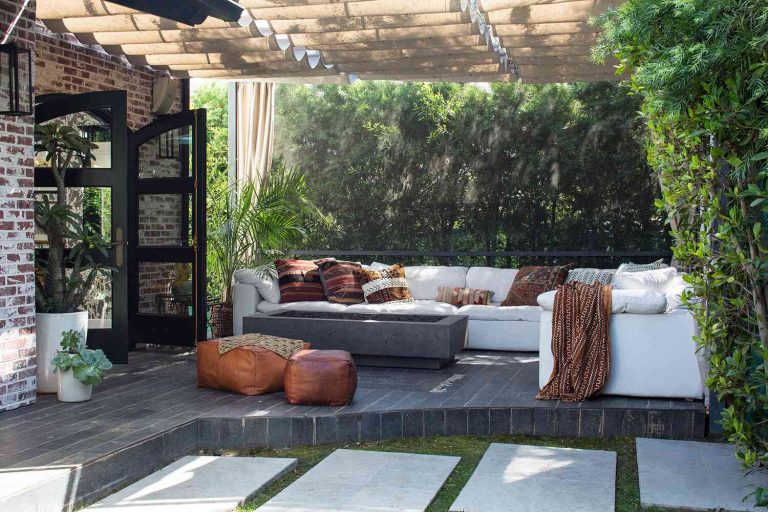
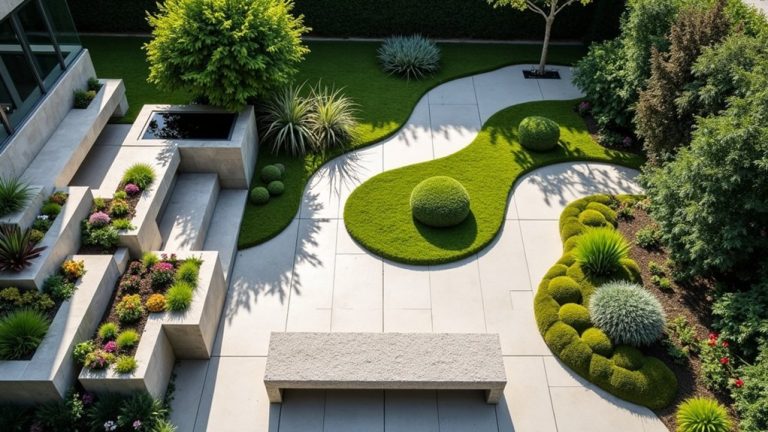
Timeless Mid Century Modern Yard Design for Contemporary Living
The concept of a mid-century modern yard is rooted in design philosophies that emerged between the 1940s and 1960s, emphasizing simplicity, functionality, and harmony with nature. Unlike traditional ornamental gardens, this style focuses on clean lines, geometric forms, and an intentional relationship between indoor and outdoor spaces. Today, mid-century modern yard design remains highly relevant, especially for homeowners seeking a balance between nostalgic aesthetics and modern outdoor living.
A mid-century modern yard is not defined by excess or decoration, but by purpose. Every element—from pathways to plant selection—serves a functional and visual role. The design often reflects architectural elements of the home itself, extending the interior’s mid-century identity outward into the landscape. This approach creates cohesive outdoor environments that feel timeless rather than trend-driven.
Core Design Principles of a Mid-Century Modern Yard
Clean Geometry and Structured Layouts
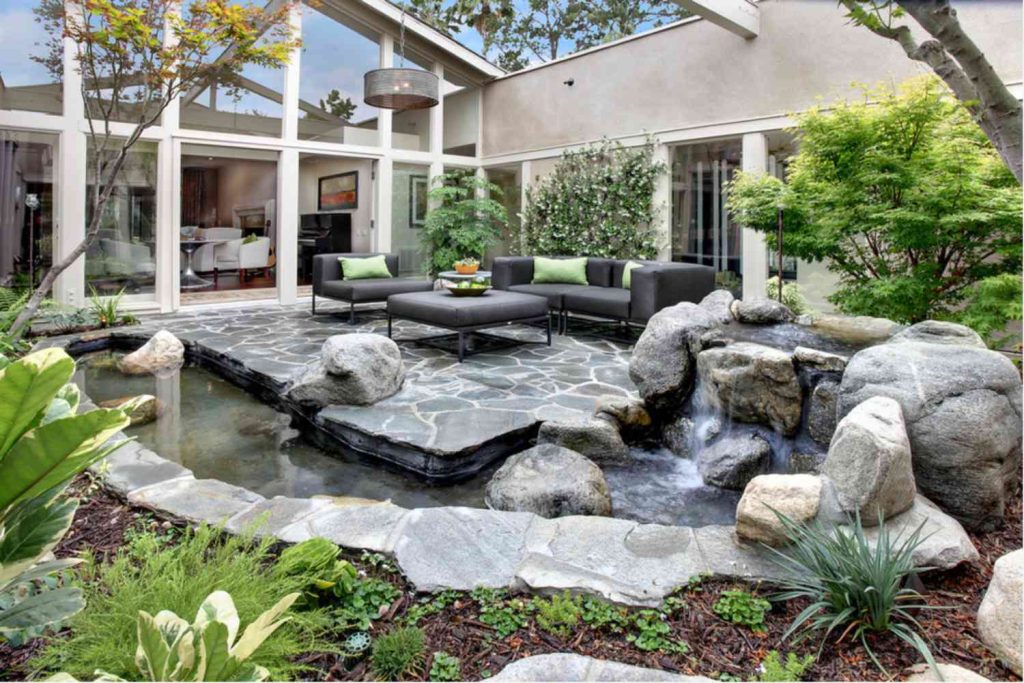
One of the most recognizable characteristics of a mid-century modern yard is its use of strong geometric layouts. Rectangular patios, linear walkways, and angular planting beds help define space clearly without visual clutter. These structured forms create order and rhythm while allowing natural elements to soften the overall appearance.
Geometry in mid-century landscaping is not rigid for the sake of formality, but intentional. Straight lines guide movement through the yard, while circular or triangular accents add visual interest. This careful balance ensures the space feels modern yet approachable, structured yet organic.
Seamless Indoor–Outdoor Connection
Mid-century modern design prioritizes a fluid transition between indoor living spaces and the yard. Large sliding glass doors, open patios, and extended rooflines blur the boundary between inside and outside. The yard becomes an extension of the home rather than a separate area.
This principle encourages outdoor living as part of everyday life. Whether it is a seating area aligned with the living room or a dining space positioned near the kitchen, the yard is designed to support daily activities, not just occasional use.
Material Selection and Surface Treatments
Natural Materials with Modern Expression
Materials play a crucial role in shaping the identity of a mid-century modern yard. Stone, concrete, wood, and gravel are commonly used due to their durability and natural appearance. These materials are often left in their raw or minimally processed state, emphasizing texture over ornamentation.
Concrete slabs, for example, are frequently used for patios and walkways, arranged in clean patterns that complement architectural lines. Wood elements, such as fencing or decking, introduce warmth and contrast while maintaining a minimalist aesthetic.
Texture Contrast for Visual Depth
Although mid-century modern yards appear simple, they rely heavily on contrast to avoid looking flat. Smooth concrete surfaces are often paired with rough gravel or textured stone. This interplay of textures adds depth and dimension without overwhelming the design.
Texture contrast also helps define different functional zones within the yard. A gravel seating area may visually separate itself from a planted garden bed, making the space intuitive and easy to navigate.
Plant Selection and Landscape Composition
Architectural Plants and Minimal Color Palettes
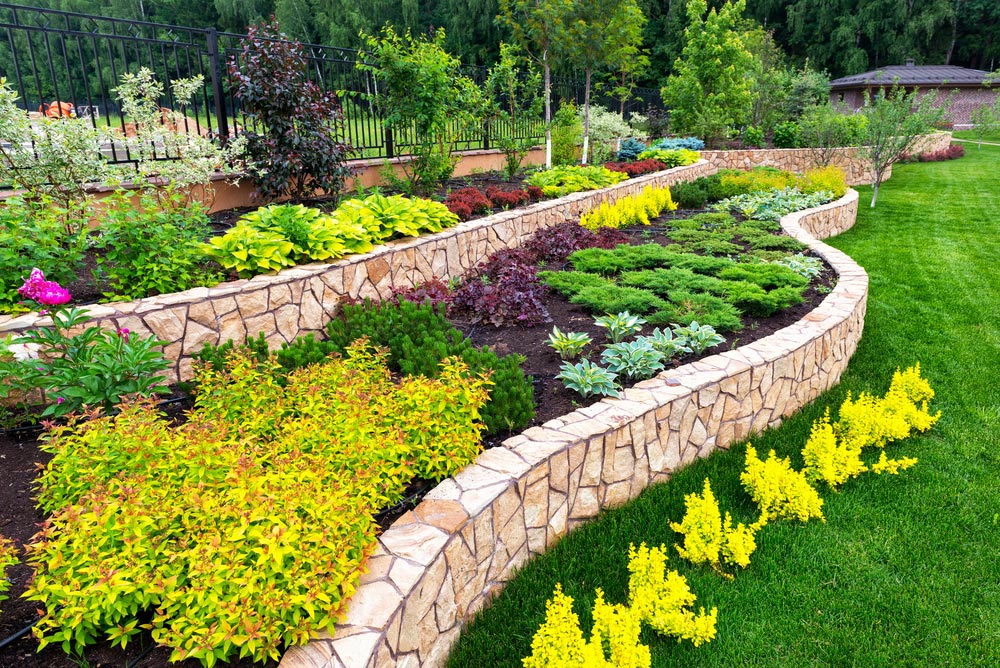
Plant choices in a mid-century modern yard are deliberate and restrained. Instead of dense flower beds, the design favors architectural plants with strong forms, such as ornamental grasses, succulents, palms, and sculptural shrubs. These plants echo the clean lines of the built environment.
Color palettes tend to be subtle, focusing on greens, silvers, and muted earth tones. Occasional pops of color are used sparingly to maintain visual balance and prevent distraction from the overall structure of the yard.
Open Space as a Design Element
Negative space is a key concept in mid-century modern landscaping. Open areas of lawn, gravel, or concrete are intentionally left uncluttered to give the eye room to rest. This openness enhances the sense of calm and order.
By resisting the urge to fill every corner with plants or decor, the yard feels larger and more purposeful. Open space also supports flexible use, allowing homeowners to adapt the yard for gatherings, relaxation, or recreation.
Benefits of Integrating Modern Technology in a Mid-Century Modern Yard
Smart Lighting for Functional Aesthetics
Modern lighting technology complements the mid-century modern yard perfectly. Low-profile LED fixtures, pathway lights, and accent lighting enhance architectural features without dominating the landscape. Smart lighting systems allow homeowners to adjust brightness and timing for different occasions.
This integration improves safety and usability while preserving the clean visual language of the design. Thoughtfully placed lighting highlights textures, plants, and structural elements after sunset.
Efficient Irrigation and Sustainability Tools
Technology also plays a role in maintaining the minimalist appearance of the yard. Smart irrigation systems deliver precise watering based on weather and soil conditions, reducing water waste and supporting plant health.
By automating maintenance tasks, homeowners can preserve the intended design without constant intervention. Sustainability-focused technology aligns with mid-century modern values of efficiency and practicality.
Real-World Examples and Use Cases
Palm Springs–Inspired Desert Yard
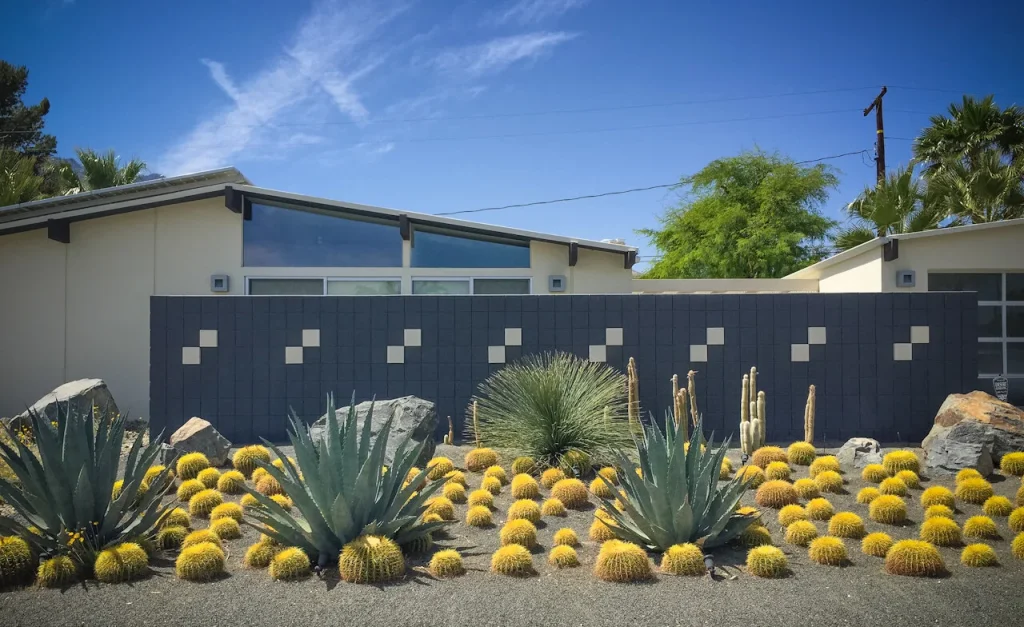
A classic example of a mid-century modern yard can be found in desert-inspired landscapes influenced by Palm Springs architecture. These yards typically feature concrete patios, gravel beds, and drought-tolerant plants such as agave and yucca.
The relevance of this design lies in its ability to thrive in hot climates while maintaining a sophisticated aesthetic. It solves the challenge of water conservation without sacrificing visual appeal.
Suburban Courtyard with Geometric Hardscaping
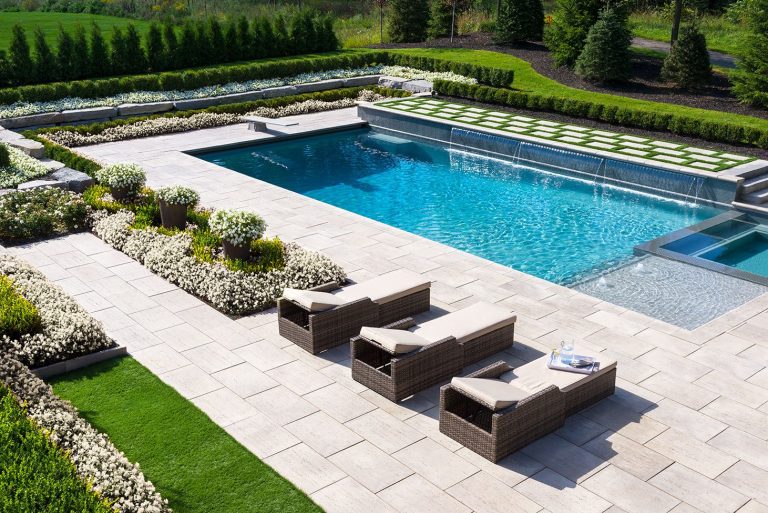
In suburban settings, mid-century modern yards often take the form of enclosed courtyards. Rectangular paving stones, low-profile seating, and simple planters define the space.
This approach is useful for homeowners seeking privacy and structure within limited square footage. The courtyard becomes a functional outdoor room suitable for daily use.
Retro-Inspired Backyard with Fire Feature
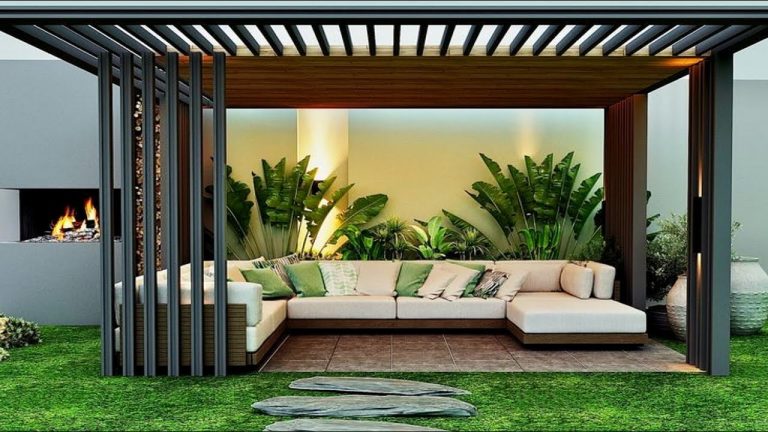
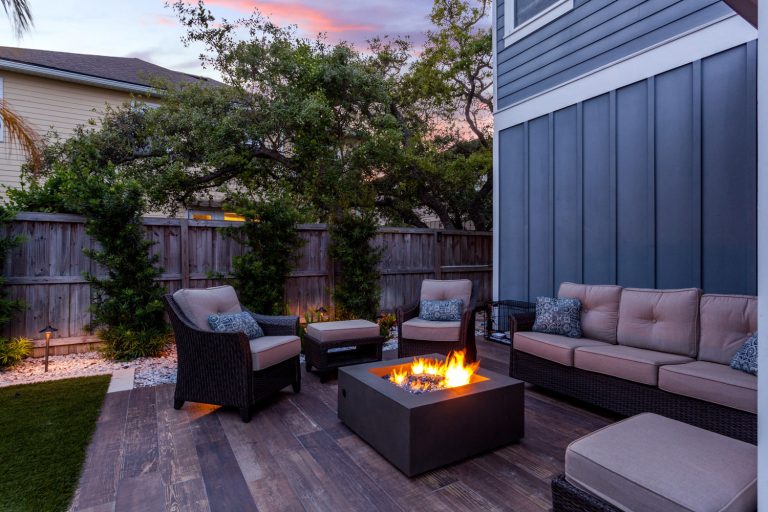
Fire features designed with clean lines and minimal detailing are common in mid-century modern yards. A concrete fire pit serves as a focal point while supporting social gatherings.
This use case demonstrates how the style adapts to modern lifestyles, providing warmth and ambiance without deviating from its minimalist roots.
Urban Mid Century Garden with Gravel Zones
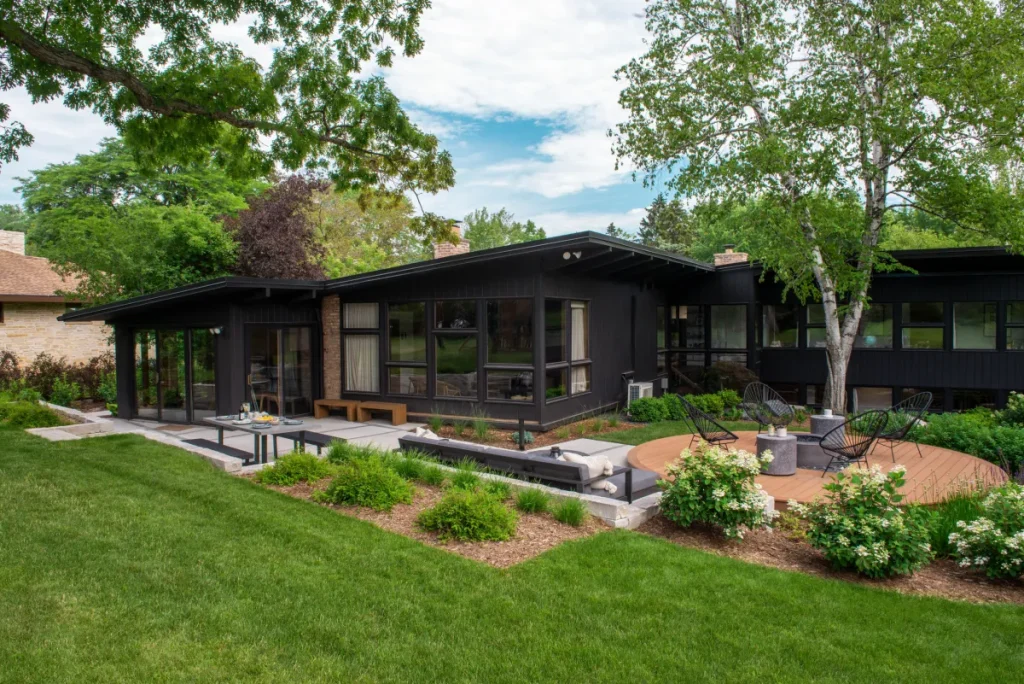
In urban environments, gravel-based mid-century yards offer low-maintenance solutions. Defined zones for seating, walking, and planting create order in compact spaces.
This design helps solve the problem of limited outdoor space while delivering a visually cohesive and practical yard.
Practical Benefits and Real-Life Advantages
Low Maintenance and Long-Term Durability
A mid-century modern yard is designed for longevity. The emphasis on durable materials and minimal planting reduces ongoing maintenance requirements. Homeowners benefit from a landscape that remains visually appealing with minimal effort.
This practicality makes the style ideal for busy households or those seeking a low-stress outdoor environment.
Enhanced Lifestyle and Property Value
By creating functional outdoor spaces that integrate seamlessly with the home, mid-century modern yards encourage more time spent outdoors. This lifestyle benefit often translates into increased property value, as buyers recognize the timeless appeal of cohesive design.
The yard becomes an extension of daily living rather than an afterthought, adding tangible and intangible value.
Frequently Asked Questions
What defines a mid-century modern yard compared to other modern styles?
A mid-century modern yard is defined by its historical roots, emphasis on geometry, and connection to nature. Unlike contemporary styles that may prioritize bold innovation, mid century design focuses on timeless simplicity and functional elegance.
Can a mid-century modern yard work in small spaces?
Yes, this style is particularly effective in small spaces due to its structured layouts and use of negative space. Clear zoning and minimalist elements make compact yards feel organized and open.
Is a mid-century modern yard suitable for different climates?
Mid-century modern yard design is adaptable to various climates. By selecting appropriate plants and materials, the core principles can be applied in desert, temperate, or urban environments without losing authenticity.